Vance returns empty-handed from Iran talks as Hormuz blockade looms
Vance left Pakistan without a deal as Trump ordered a Strait of Hormuz blockade, escalating a 44-day war that has driven gas prices higher.
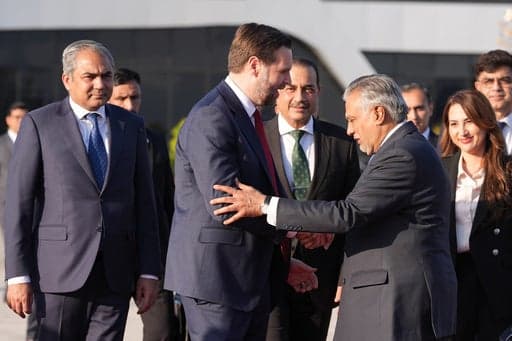
Vice President J.D. Vance came back from 21 hours of talks with Iranian leaders in Pakistan "empty-handed," and President Trump answered by ordering a Navy blockade of the Strait of Hormuz, sharpening a conflict now in its 44th day.
Margaret Brennan opened Face the Nation by framing the talks as a test of whether a fragile two-week cease-fire could hold after negotiations ended without agreement. Trump said "most points were agreed to" in Pakistan, but the nuclear issue was not resolved, and he warned that any Iranian action against U.S. forces or peaceful vessels would be met with force. Brennan said the fighting had already sent gas prices soaring around the world, making the outcome matter far beyond the battlefield.
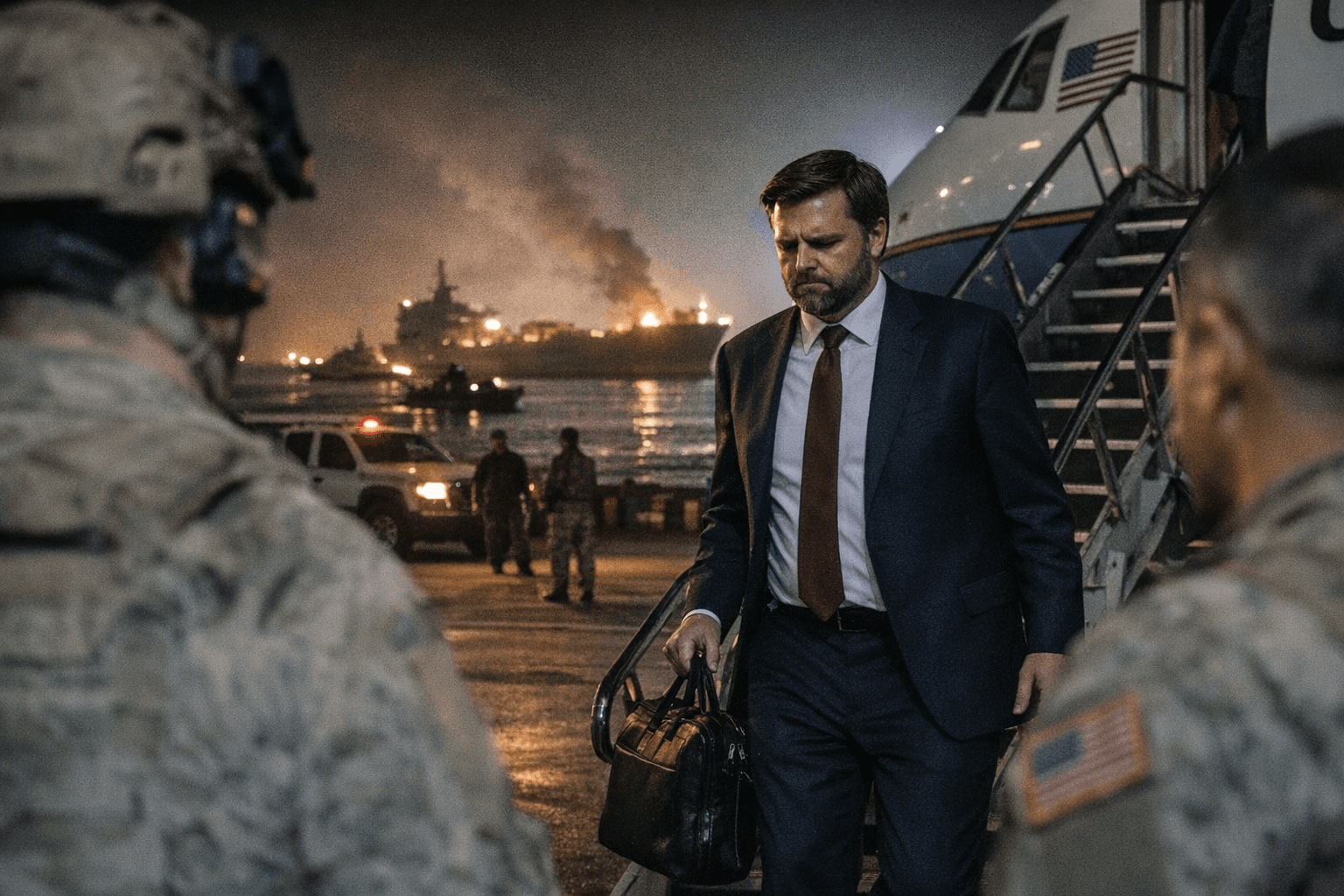
The guest lineup signaled how broad the fallout had become. Israeli Ambassador to the U.S. Michael Leiter joined Brennan alongside Democratic Sen. Mark Warner of Virginia, Republican Rep. Mike Turner of Ohio, Kristalina Georgieva, the managing director of the International Monetary Fund, and CBS News polling director Anthony Salvanto. The show planned to connect the military escalation to the global economy and to a new poll measuring public concern over Trump's handling of the war and the president's approval rating, which had fallen to a new low in his second term.
Leiter has been one of Israel's clearest public backers of close coordination with Washington. In a March 8 appearance on Face the Nation, he said the United States and Israel were in daily contact and described unusually close military collaboration, adding that he believed the two sides would reach a complete understanding on ending the war. He also said Israel's plan was to secure Iran's enriched uranium, though he declined to spell out how.
Warner has taken the opposite tack, warning that the administration was risking a broader conflict without enough planning. In a March 15 appearance, he said he had not been briefed on any additional credible threat to the homeland in the previous few days and argued that if the White House pursued regime change, uranium enrichment limits, or missile elimination, it would need a far more detailed strategy. With the blockade now on the table and the cease-fire under strain, those arguments are moving from theory to the center of U.S. policy.
This article was produced by Prism’s automated news system from verified source data, official records, and press releases, then run through automated quality and moderation checks before publishing. The system is built and supervised by the people who set the standards it runs under. Read our full AI policy.
Did this article answer your question?