Peru votes in fragmented election amid corruption, crime, instability
Peru faced a 35-candidate presidential race that exposed a system in collapse, not a healthy surplus of choice.
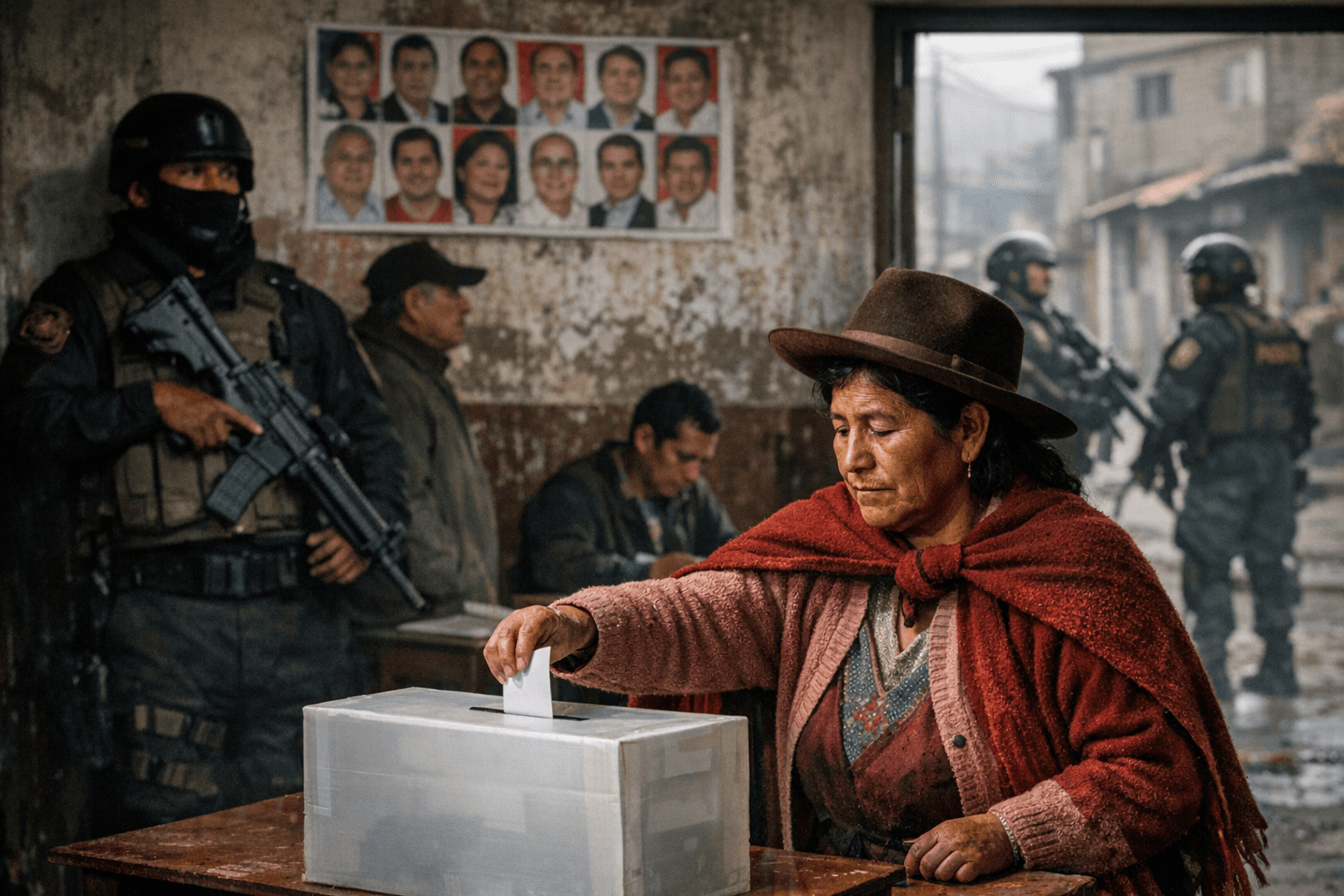
A ballot crowded with 35 presidential candidates underscored how deeply Peru’s political system has unraveled. With no contender widely expected to clear the 50% threshold, the country was headed toward a likely June 7 runoff after voting on April 12, 2026, in a contest shaped more by frustration than by momentum.
About 27 million Peruvians were eligible to vote, and the field stretched from former ministers to a comedian and Keiko Fujimori, the daughter of one of the country’s most powerful political figures. Rafael López Aliaga, Alfonso López-Chau Nava, Roberto Sánchez and Carlos Álvarez were among the names competing for an electorate driven by anger over insecurity, corruption and a broad collapse in trust in the political class.
The election carried an institutional weight that went beyond the presidency. Peru restored its Senate for the first time in 34 years, returning to a bicameral Congress with 130 seats in the Chamber of Deputies and 60 in the Senate. That reset was meant to ease years of executive-legislative confrontation, but few analysts expected it to repair a political culture defined by rapid turnover, impeachment fights and resignations.
Peru has cycled through eight presidents in the last decade, and no president has completed a full term over roughly the past 10 years. The instability worsened in December 2022, when then-president Pedro Castillo tried to dissolve Congress, take over the judiciary and rule by decree. Congress removed him, Dina Boluarte became president and protests spread across the country.
That history hung over the vote in Lima and across the Andean country. Voters were not just choosing a new president; they were being asked to trust institutions that have repeatedly failed to hold power for long. The result was unlikely to end Peru’s churn on its own, because the deeper problem remained the same: a presidency weakened by fragmentation, a legislature rebuilt after repeated collapse, and a political class that has not yet regained public confidence.
This article was produced by Prism’s automated news system from verified source data, official records, and press releases, then run through automated quality and moderation checks before publishing. The system is built and supervised by the people who set the standards it runs under. Read our full AI policy.
Did this article answer your question?