Hungary's ruling party nominates former top court chief for president
Tisza party picked former Supreme Court chief András Baka, a judge once fired after criticizing judicial reform, for a presidency elected by parliament.

Hungary's ruling Tisza party nominated András Baka, a former head of the Hungarian Supreme Court and a former judge at the European Court of Human Rights, to become the country's next president. The party's parliamentary group made the choice on Saturday, and Baka was expected to be elected by the National Assembly next week, putting a veteran jurist into a post that still matters in Hungary's balance of power because the president is chosen by lawmakers rather than by direct popular vote.
The presidency is not Hungary's main executive office, but it carries constitutional weight. Official Hungarian government material says the president represents the Hungarian state and may participate and speak in Parliament, as well as initiate laws and national referenda. That makes the appointment more than a routine personnel move, especially in a system where the governing camp has continued to exert strong influence over top state positions.
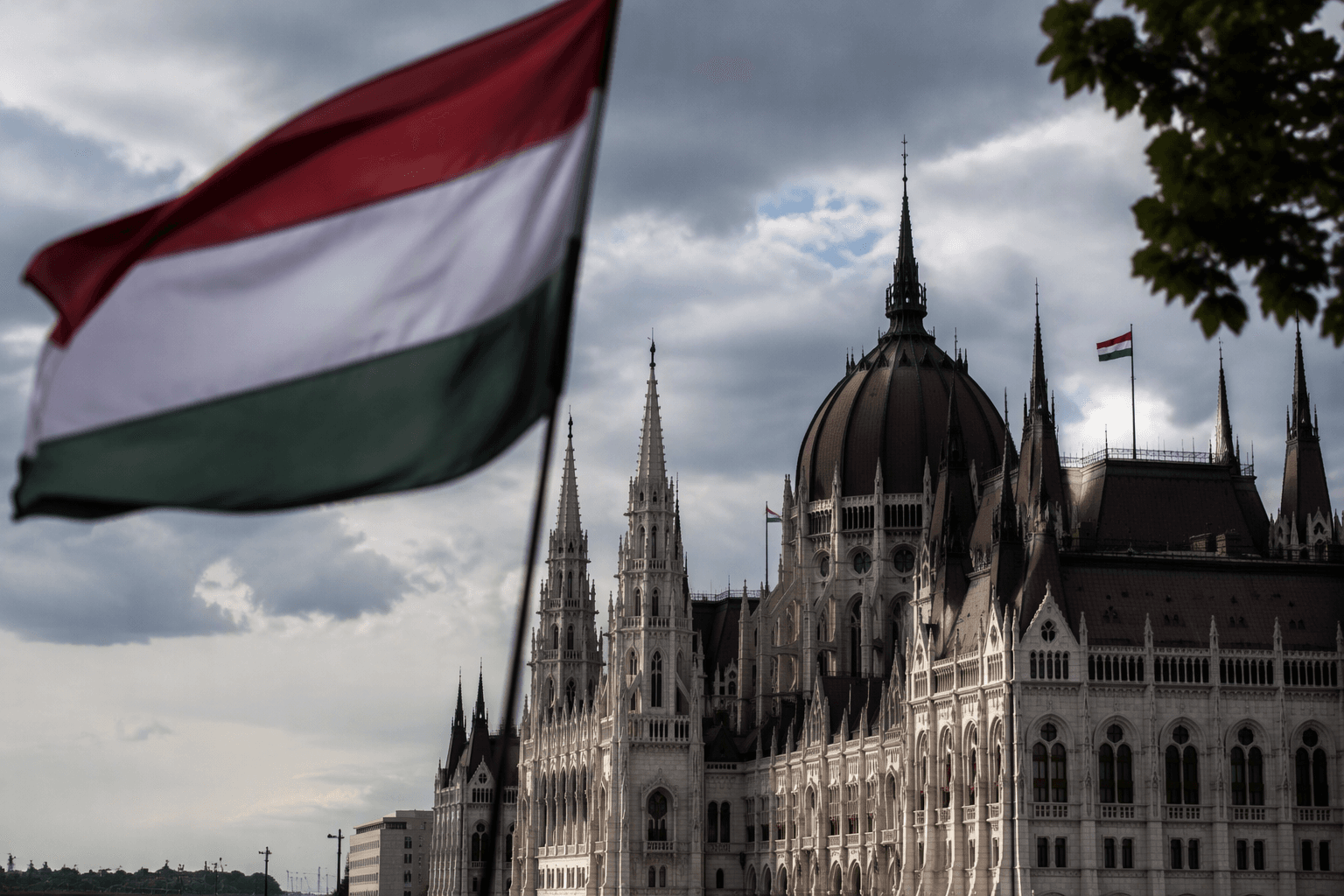
Baka's nomination carried unusually sharp political baggage. Viktor Orbán's government removed him from the supreme court in 2011, a move denounced at the time as an assault on democratic freedoms. On June 23, 2016, the European Court of Human Rights Grand Chamber ruled in Baka v. Hungary that the removal violated Article 6 and Article 10 of the European Convention on Human Rights, saying the premature end of his mandate after he criticized judicial reform had a chilling effect on other judges.
That history made the choice read as a signal about how the ruling party viewed constitutional institutions. Installing a former top judge in the presidency suggested that Tisza wanted the legitimacy of a respected legal figure while keeping another state post aligned with its broader political strategy. It also sharpened questions about how much distance could remain between the courts, the presidency and the government if one of Hungary's most prominent jurists moved into the ceremonial but still influential office.
The nomination also carried wider European relevance. Hungary joined NATO in 1999 and the European Union in 2004, so disputes over judicial independence and constitutional appointments have long been watched in Brussels and across Europe. Baka's elevation pointed to a familiar pattern in Budapest, where the struggle over checks and balances has increasingly centered on who controls the institutions meant to stand above day-to-day party politics.
This article was produced by Prism’s automated news system from verified source data, official records, and press releases, then run through automated quality and moderation checks before publishing. The system is built and supervised by the people who set the standards it runs under. Read our full AI policy.
Did this article answer your question?