Senate advances landmark crypto market rules before August recess
The Senate moved the CLARITY Act toward a September floor fight, setting up a 60-vote test over crypto exchanges, banks and regulators.
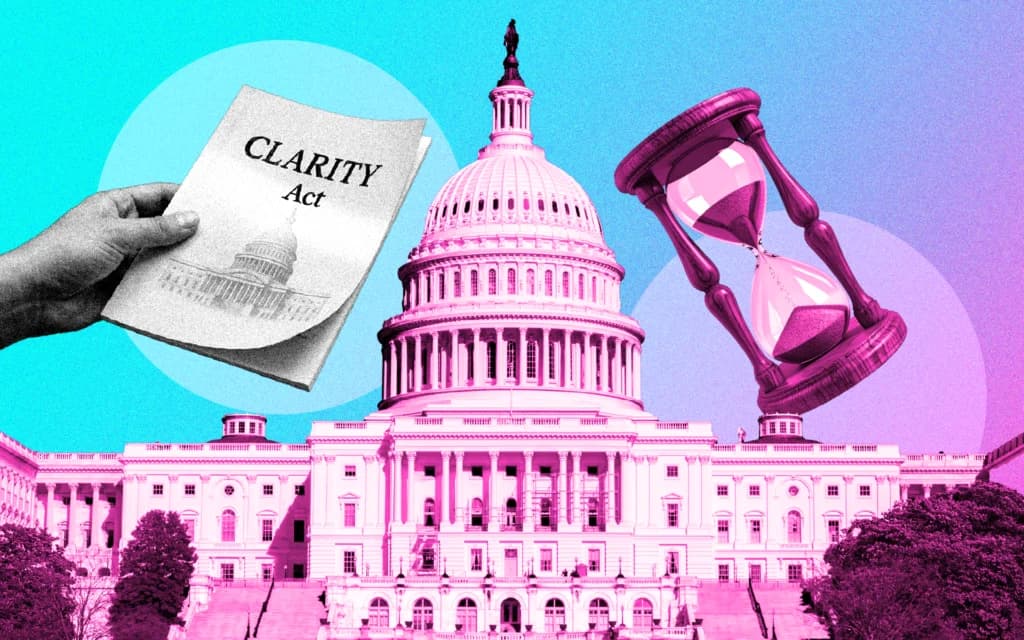
The Senate moved the CLARITY Act closer to floor debate before lawmakers left Washington for the August recess, keeping alive the strongest federal push in years to write market rules for digital assets. The bill would give crypto firms a clearer national framework for registration, custody, and oversight, while forcing regulators and banks to sort out who police which parts of the market.
That push followed months of work in the Senate Banking Committee, which advanced the Digital Asset Market Clarity Act of 2025 on May 14 in a 15-9 vote after an executive session in Dirksen Senate Office Building 538. Chairman Tim Scott, Republican of South Carolina, said the measure would create “clear rules of the road” for digital assets, and committee Republicans cast it as a way to protect Main Street, keep innovation in the United States, and safeguard national security.

Democrats on the committee, including Senator Elizabeth Warren, objected that the bill did not go far enough to shield consumers from fraud or prevent crypto from being used for illicit finance. Those objections reflected the larger tension around the bill: whether Congress is finally building a federal framework that legitimizes the industry or trying to contain a sector still shadowed by collapses, scandals, and aggressive speculation.
The procedural step in the full Senate did not amount to final passage or enactment. Senate Majority Leader John Thune moved to file cloture, but the vote slipped to September after lawmakers failed to settle remaining disputes before the break. The sticking points included ethics rules tied to President Donald Trump’s crypto interests, questions over stablecoin yields, and broader illicit-finance provisions.
For crypto companies, the bill would matter immediately because it could reduce the patchwork of oversight that has left exchanges, token issuers, and investors navigating competing demands from multiple agencies. Banks, fintech firms, and payment companies would get a clearer sense of how they could interact with digital assets if Congress eventually converts the bill into law, and financial watchdogs would have a federal standard that could shape enforcement.
The latest Senate move also underscored how far the debate has shifted. Congress has repeatedly failed to pass comprehensive crypto legislation, even as the industry has expanded its lobbying and campaign footprint. With the Senate now heading into a September showdown, the fight is no longer over whether digital assets need formal rules, but how far Washington is willing to go in defining them.
This article was produced by Prism’s automated news system from verified source data, official records, and press releases, then run through automated quality and moderation checks before publishing. The system is built and supervised by the people who set the standards it runs under. Read our full AI policy.
Did this article answer your question?