IAEA says drone damaged monitoring equipment at Zaporizhzhia nuclear plant
A drone hit monitoring gear at Europe’s largest nuclear plant, complicating outside checks on any radiation release as the war keeps testing its safety systems.
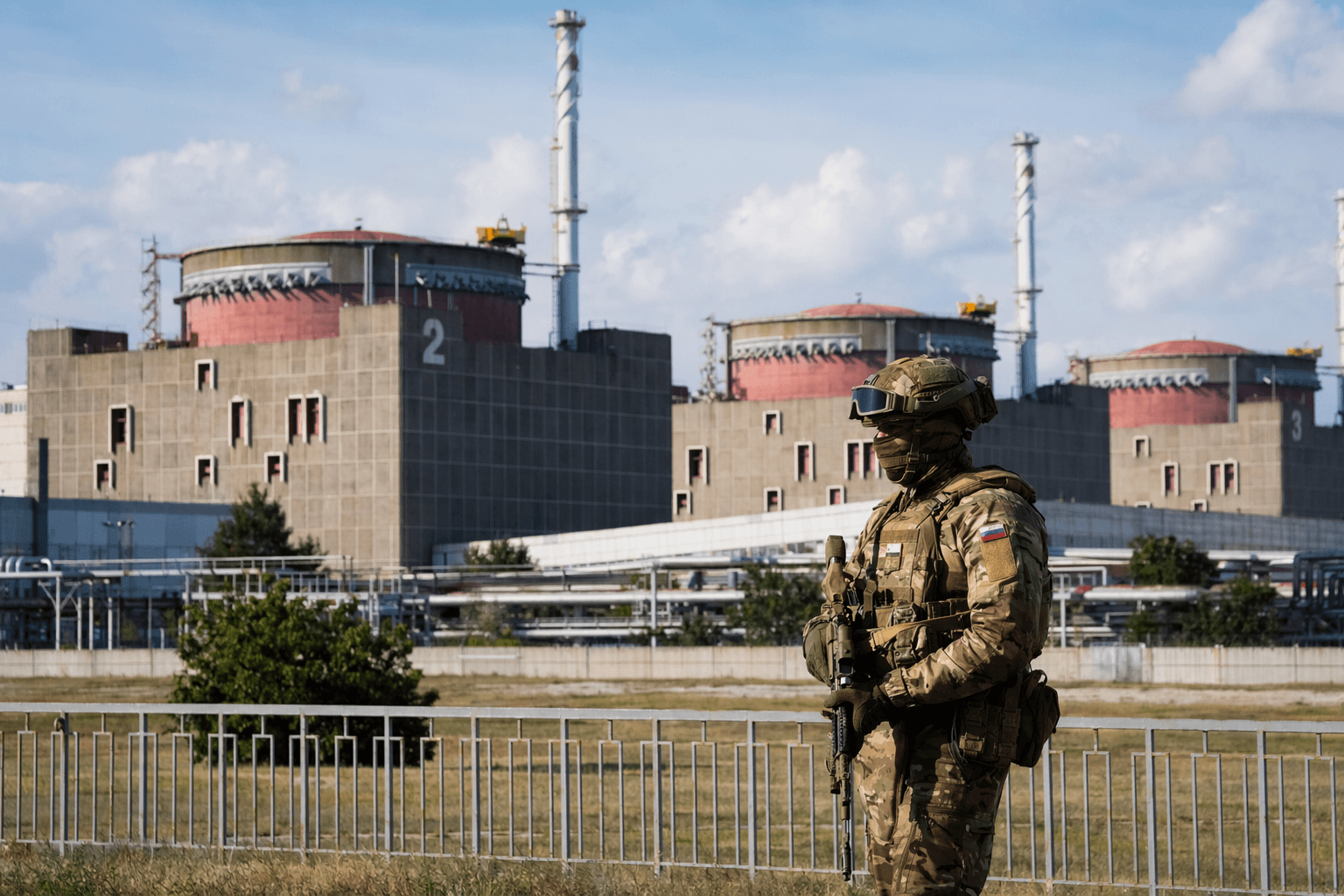
Damage to weather and radiation-monitoring equipment at the Zaporizhzhia nuclear power plant matters because those systems help inspectors and operators judge whether a release is spreading and how an emergency should be handled. When that visibility is reduced at Europe’s largest nuclear station, the risk is not just physical damage but a harder, slower, and more dangerous assessment of what is happening on the ground.
The International Atomic Energy Agency said meteorological monitoring equipment at the Russian-held plant in southeastern Ukraine was damaged by a drone. The agency said its experts visited the plant’s External Radiation Control Laboratory after the Russian management said the site had been hit on May 3. There were no reported injuries, and the laboratory is outside the plant’s perimeter. The sequence underscores how the IAEA is trying to verify claims independently while documenting damage to safety-related infrastructure that can shape emergency response if the situation worsens.
Zaporizhzhia has six reactors and was seized by Russian forces in the early weeks of Moscow’s February 2022 invasion of Ukraine. Its reactors have been in cold shutdown since April 2024, but that has not removed the strategic risk. The IAEA has maintained a presence at the site since September 1, 2022, as the plant has remained one of the most sensitive flashpoints in the war, with Moscow and Kyiv each accusing the other of actions that could threaten nuclear safety.

The latest incident adds to a pattern of pressure on the plant’s defenses, even when fighting does not reach a reactor core. In September 2025, IAEA Director General Rafael Mariano Grossi said six of the agency’s seven key pillars of nuclear safety and security had been violated at Zaporizhzhia, and that only one off-site power line remained. That loss of redundancy is especially serious at a facility where backup systems, outside power and environmental monitoring are meant to buy time in a crisis.
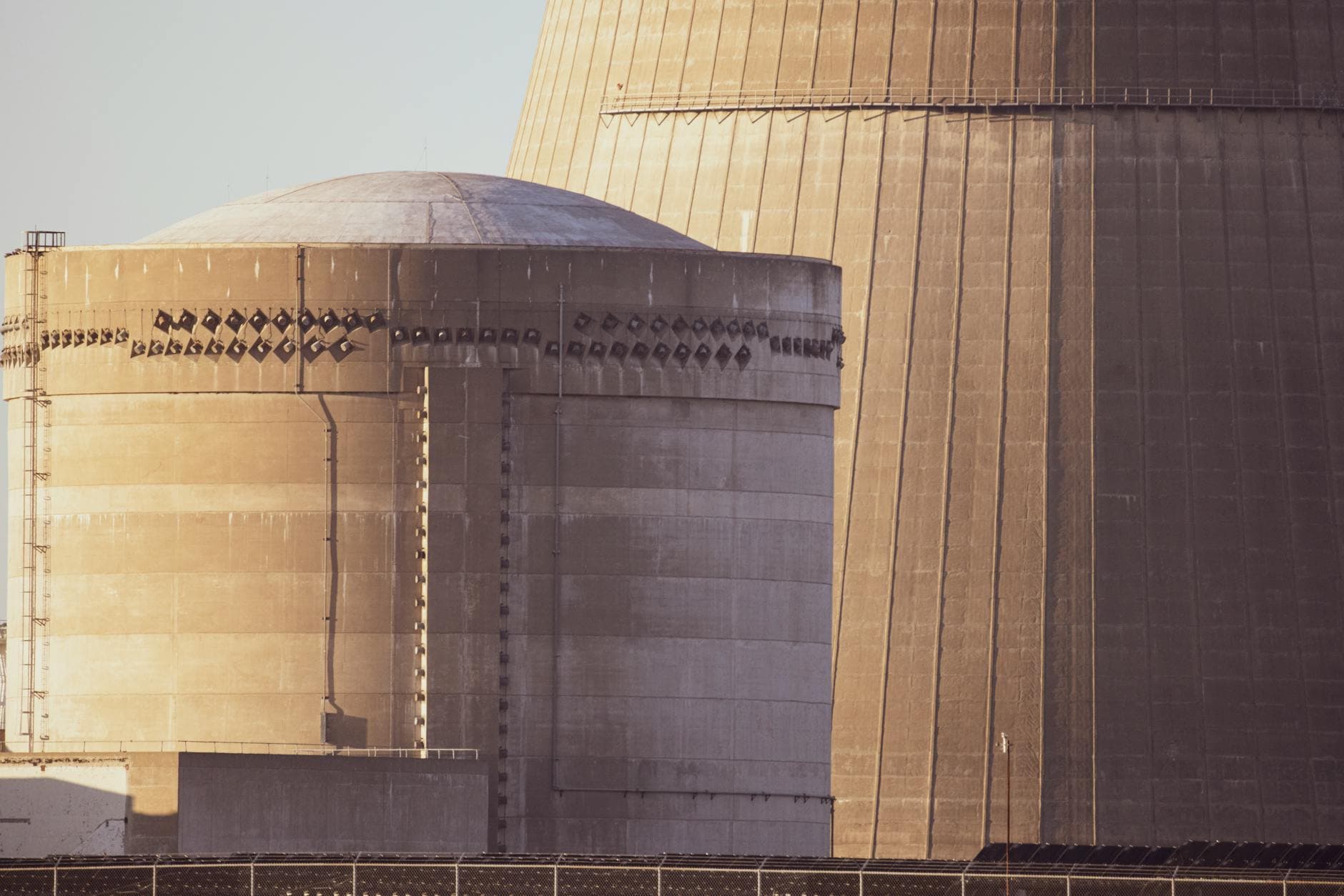
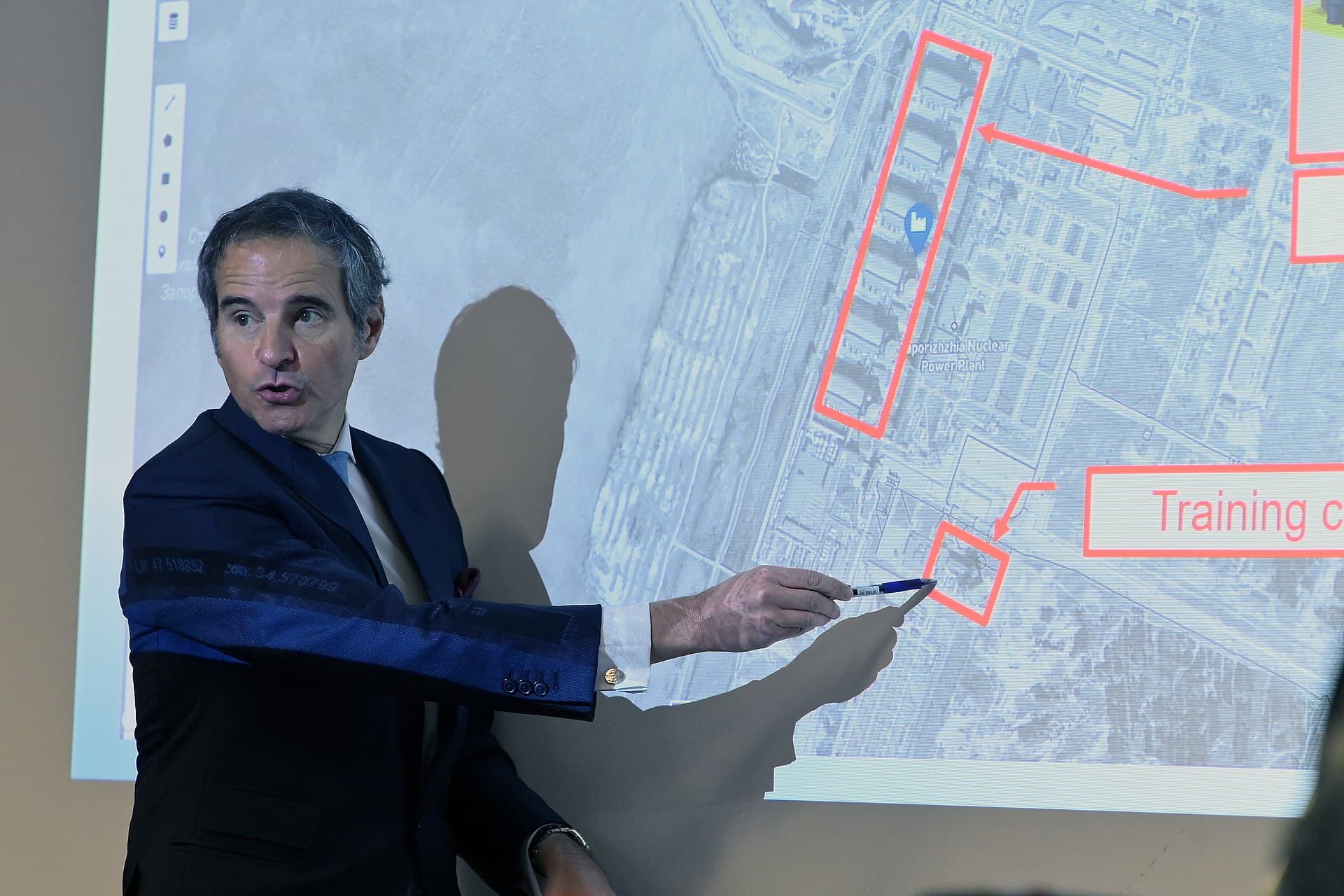
The new damage also reinforces a broader concern for the European nuclear power sector: even non-reactor hits can erode transparency, complicate outside assessment and raise the chance of miscalculation. At Zaporizhzhia, where the plant’s status has long been tied to the wider trajectory of the war, every strike near the site increases the burden on inspectors trying to determine whether the next disruption is only a warning or the start of something far more dangerous.
This article was produced by Prism’s automated news system from verified source data, official records, and press releases, then run through automated quality and moderation checks before publishing. The system is built and supervised by the people who set the standards it runs under. Read our full AI policy.
Did this article answer your question?