France weighs sanctuary for last captive orcas after marine park closure
Two orcas remained in sealed tanks at Marineland Antibes, forcing France to choose between another park and an open-water sanctuary after Spain blocked a transfer.
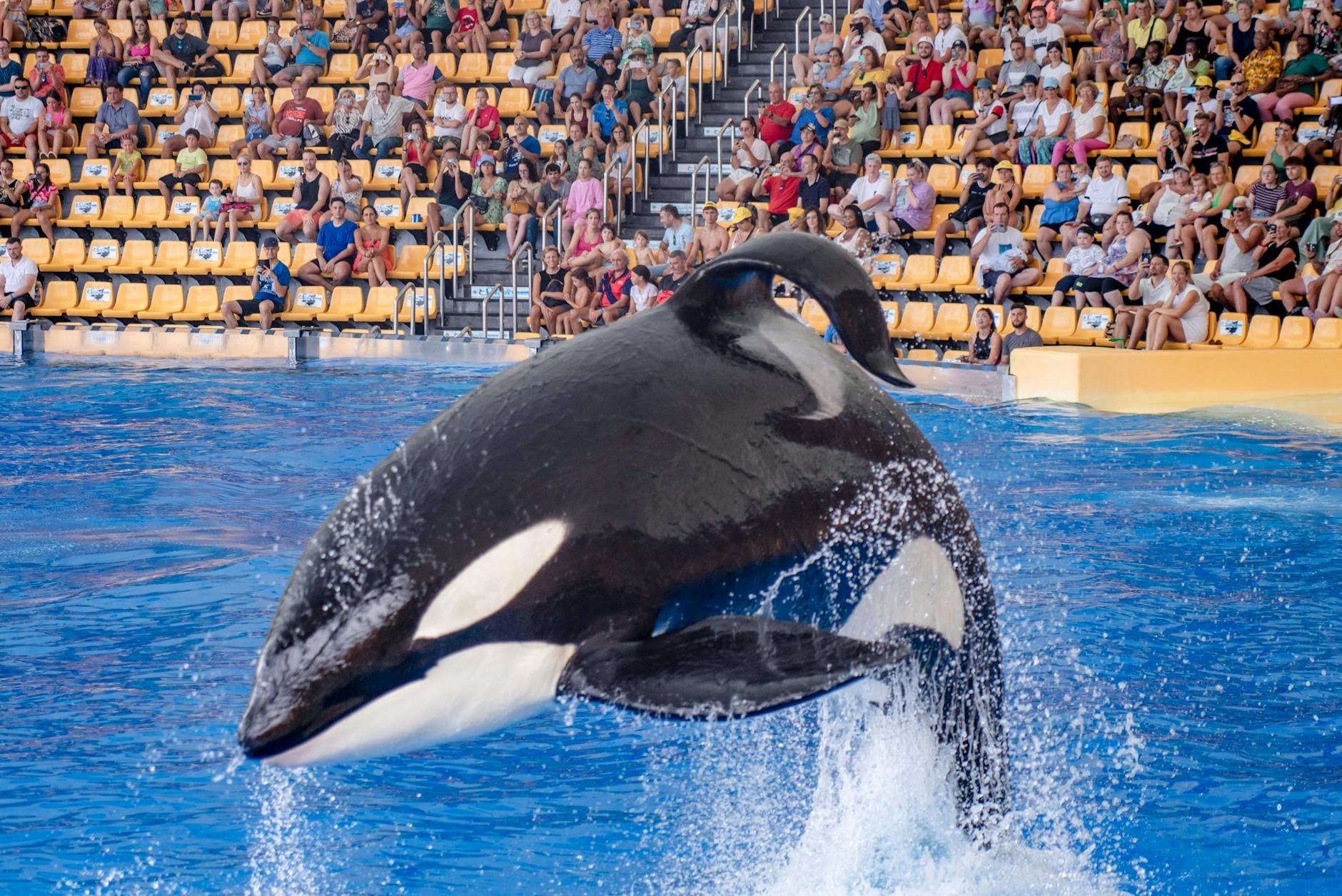
France faced a sharp policy choice over Wikie and Keijo, the last captive orcas in the country: send them to another marine park or move them to an open-water sanctuary. The mother-and-son pair were left behind when Marineland Antibes permanently closed on January 5, 2025, turning their fate into a national test of how France will handle the end of captive marine mammal entertainment.
The legal backdrop was already in place. France’s 2021 law banned shows featuring marine mammals and required operators to phase out such performances by December 2026. Marineland said its business had depended heavily on those spectacles, with about 90% of visitors coming for orca and dolphin performances, a collapse that helped drive the shutdown of the French Riviera park owned by Parques Reunidos.
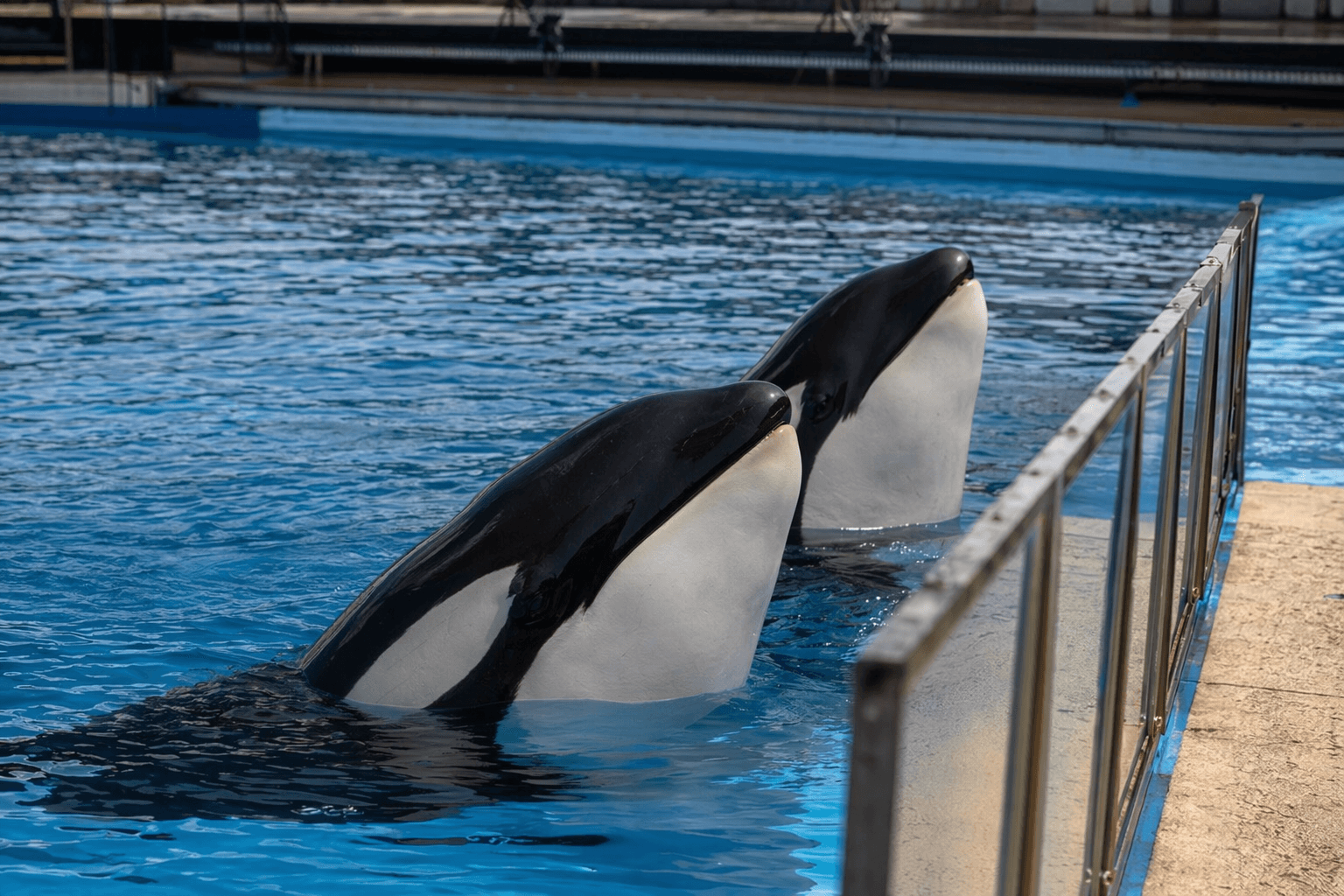
Authorities have struggled to place the whales ever since. A proposed transfer to Spain was blocked after Spanish authorities refused the move, shutting down the most immediate option for relocation to another entertainment facility. Marineland was ordered to continue caring for Wikie and Keijo while officials searched for a longer-term answer, leaving the park responsible for two animals at the center of an unresolved political and legal dispute.
Animal-rights groups, including Sea Shepherd France, argued that the rejection of the Spain transfer should push France toward sanctuary instead of another captive display venue. That argument rested on animal welfare as much as symbolism. Spring 2025 reports described the orcas remaining in the closed park’s tanks, where campaigners and non-governmental groups raised alarms about algae and aging facilities. The setting sharpened the debate over whether these animals could be safely maintained in place while a decision dragged on.
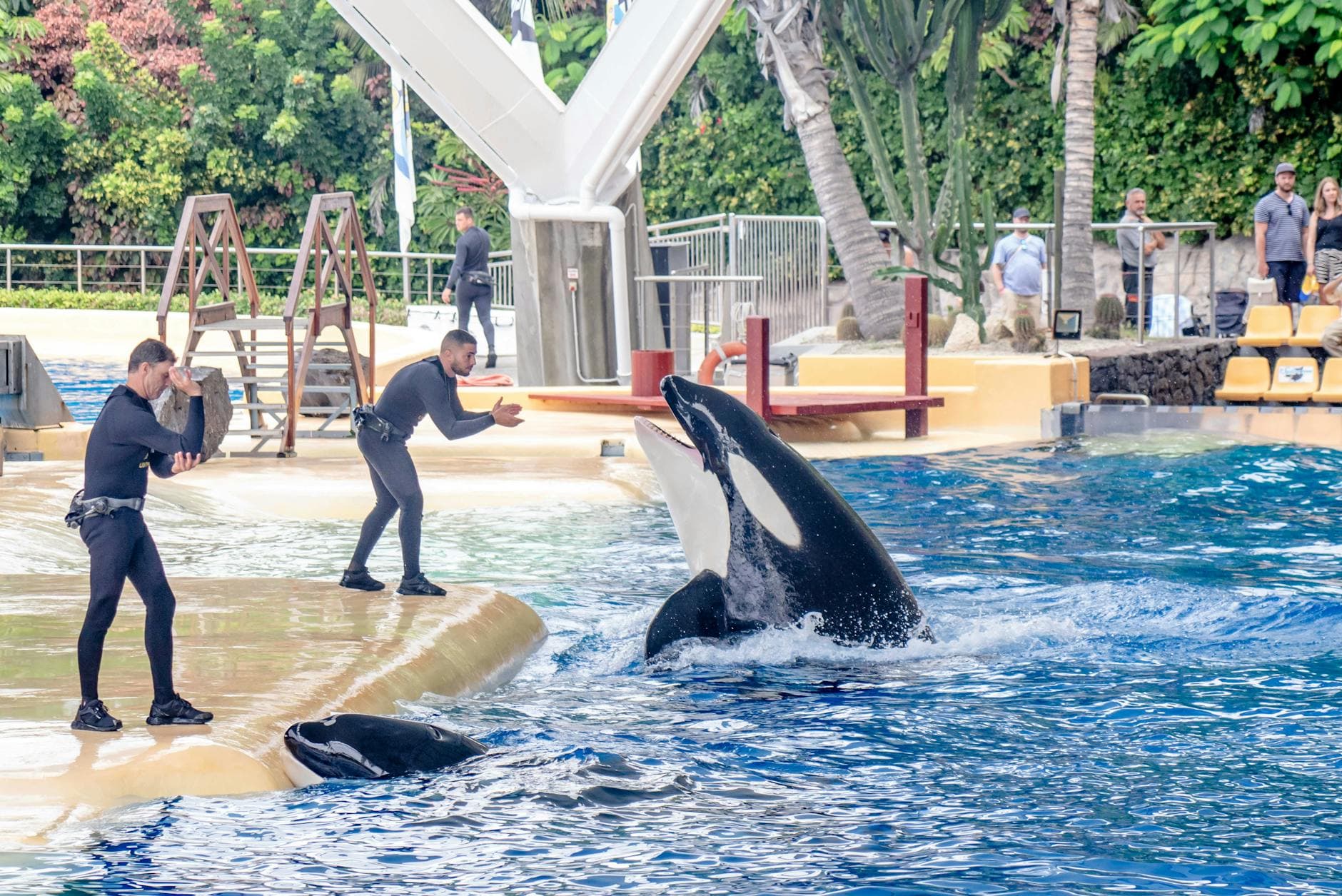
The stakes extended beyond the two orcas. Marineland’s closure left roughly 4,000 other marine animals with uncertain futures, underscoring how one park’s end can create a cascading governance problem for regulators, operators and rescue advocates alike. France’s response to Wikie and Keijo is now being watched as a precedent for how Europe handles the end of captive cetacean shows, and whether the final phase of that industry will be defined by transfer, retirement or sanctuary-based care.
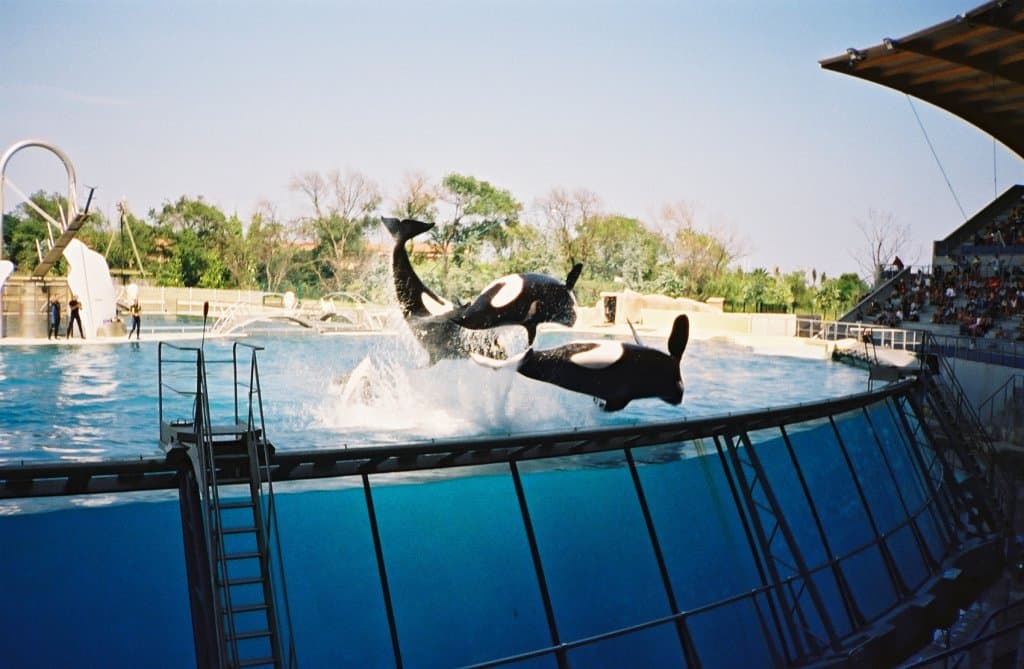
As the impasse continued, the orcas became more than remnants of a closed attraction. Their case exposed the collision between law, finance, animal welfare and public policy, and it made France a possible model for how governments manage the last animals left behind when the entertainment era ends.
This article was produced by Prism’s automated news system from verified source data, official records, and press releases, then run through automated quality and moderation checks before publishing. The system is built and supervised by the people who set the standards it runs under. Read our full AI policy.
Did this article answer your question?


