Trump seeks to unlock Venezuela oil wealth amid industry collapse
Trump is betting on Venezuelan oil to prove an accountability agenda, but secret contracts, sanctions carve-outs and opaque revenue flows still dominate the market.
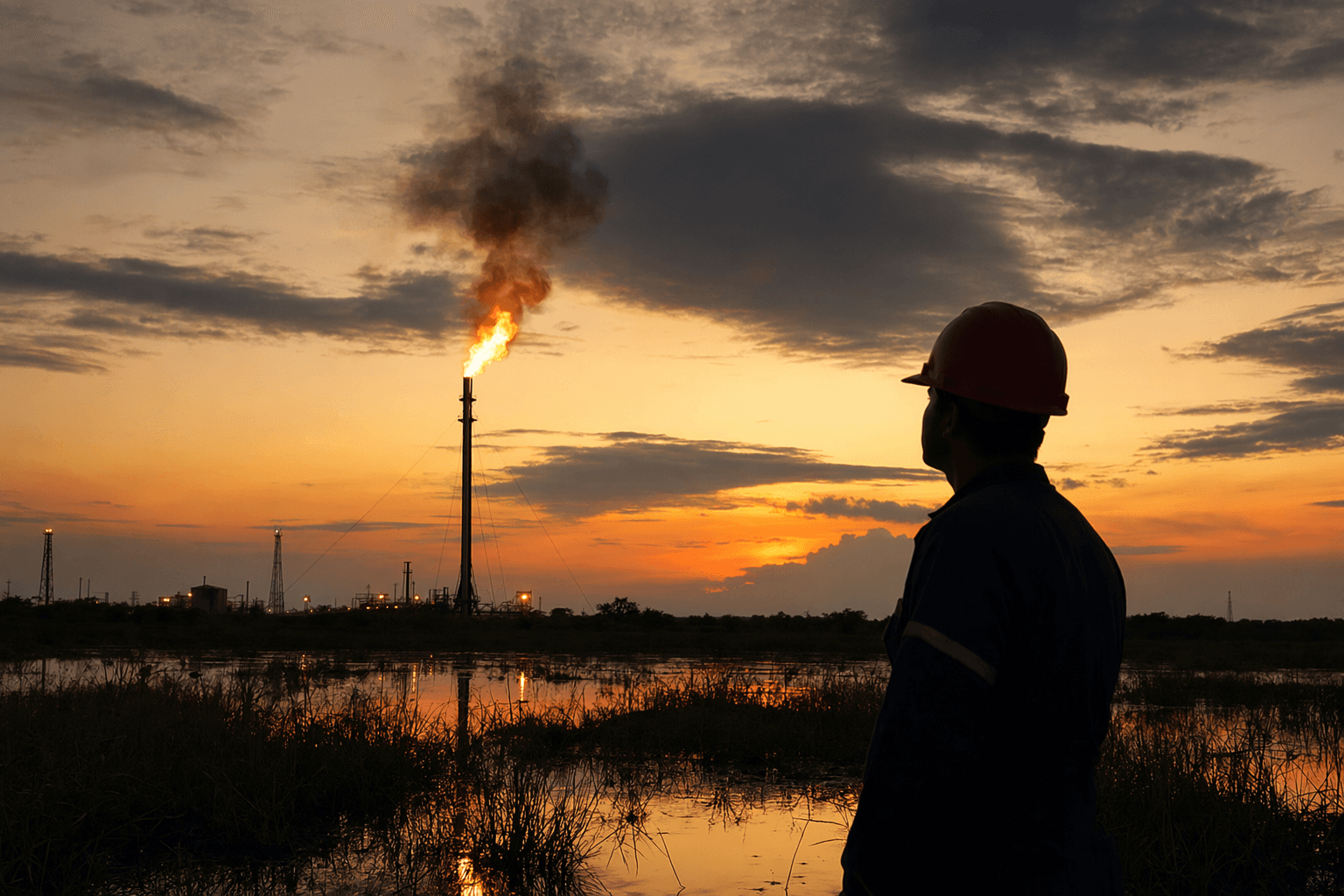
Venezuela’s oil wealth is back at the center of a high-stakes test for Donald Trump, who said the United States would “run” the country and sell its crude globally after the U.S. operation that captured Nicolás Maduro in January 2026. The promise was a cleaner system and tighter accountability. The reality remains murky: oil money is moving through U.S.-supervised channels, contracts are still hidden, and the country’s production recovery is slow enough to leave Washington managing both sanctions pressure and market risk.
A January 9 executive order and a later Treasury license created a mechanism for Venezuelan oil revenue to flow through controlled accounts. The first shipment was sold to Vitol and Trafigura for an estimated $500 million. About two-thirds of the proceeds were later transferred back to banks in Venezuela, while the rest stayed in a Qatar-based account under U.S. supervision. Marco Rubio called the initial transfer a short-term fix, arguing Venezuela was running out of storage space and cash. The arrangement showed how quickly the new policy became less about clean breaks than about managing a fragile cash pipeline.
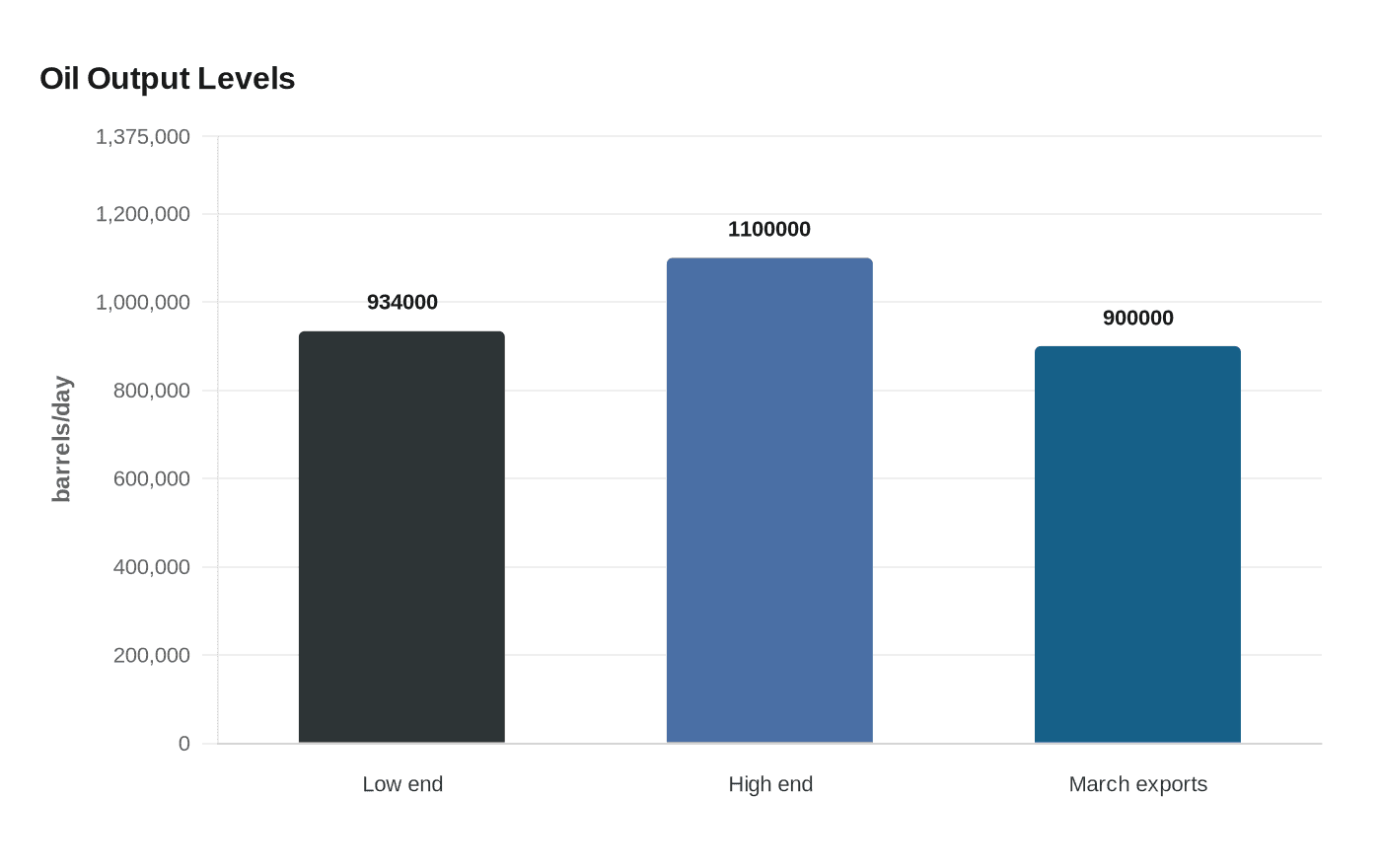
The underlying industry is still damaged. Output has been fluctuating between roughly 934,000 and 1.1 million barrels a day, and March exports were forecast to approach 900,000 barrels a day, close to pre-blockade levels. The U.S. Department of Energy said it would supply diluent as needed to help optimize production and transport of Venezuelan crude, underscoring how much outside support the system now needs just to keep moving. Industry executives say any further gains will require repairs, new supply agreements and major capital spending.
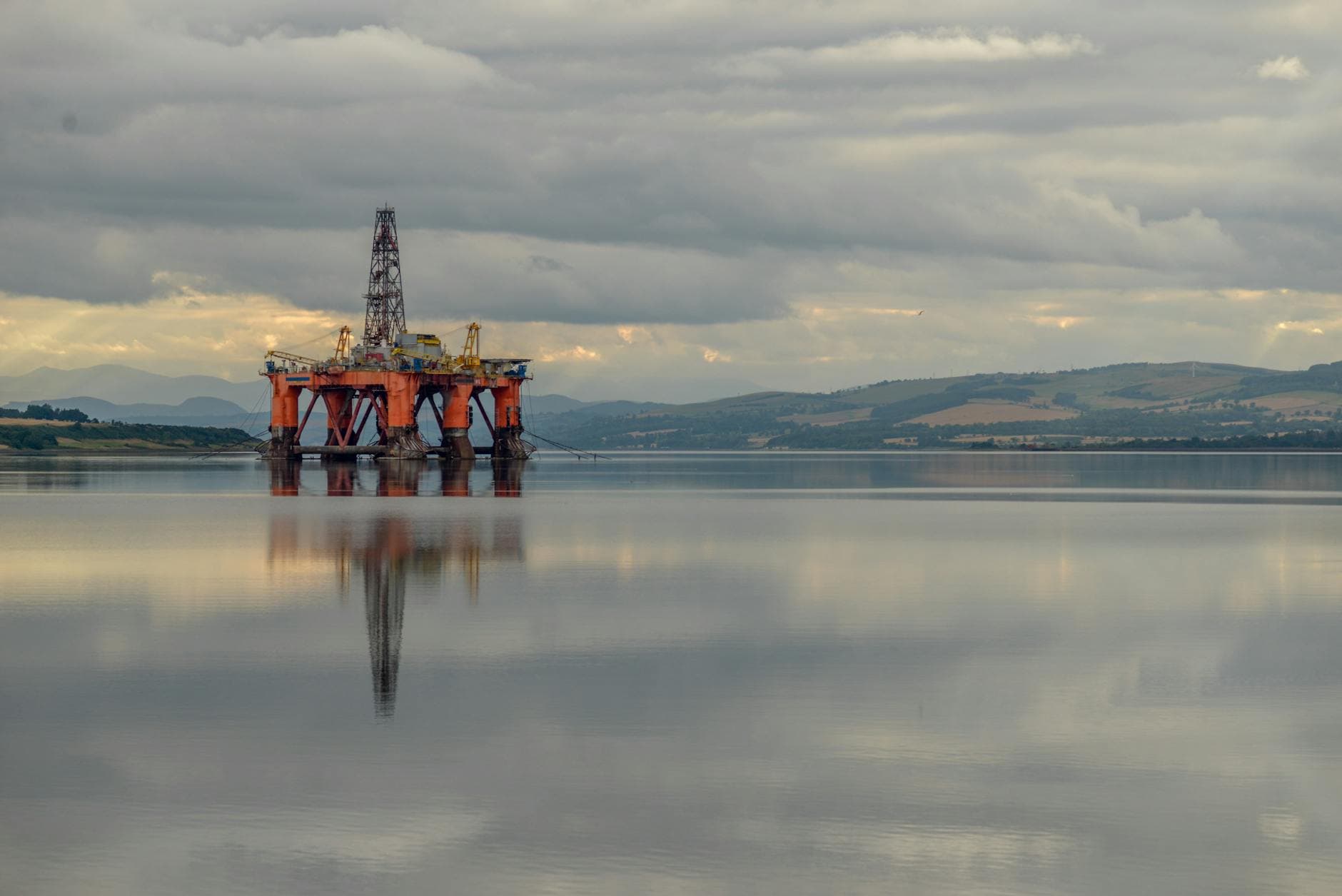
The secrecy surrounding Maduro-era oil deals is now the biggest political obstacle. Venezuelan and U.S. officials have been scrutinizing dozens of confidential “productive participation contracts” signed under Maduro to bypass sanctions, conceal investor names and let private firms pump and trade crude. Delcy Rodríguez said there were 31 such agreements. Only a handful were producing, and eight of them were pumping a combined 210,000 barrels a day by mid-February. Juan Fernández, a former PDVSA executive who now advises María Corina Machado, said there were legitimate questions about how the contracts were awarded, even if the country still needed the barrels. PDVSA has not publicly released a full list of the firms involved.
The political fight in Caracas and Washington is no longer just about output; it is about who controls the rules. On March 3, PDVSA announced new supply contracts with companies trading crude and refined products headed for the United States, days after Rodríguez demanded that Maduro-era deals be respected. Machado has pushed for greater transparency, contract security and a new oil law, and later called for full privatization, saying PDVSA had become a criminal organization. Trump’s approach now ties Venezuela’s oil future to sanctions policy, energy markets and U.S. leverage in the region, but the money trail still runs through a system built on secrecy.
This article was produced by Prism’s automated news system from verified source data, official records, and press releases, then run through automated quality and moderation checks before publishing. The system is built and supervised by the people who set the standards it runs under. Read our full AI policy.
Did this article answer your question?


