Iran Accuses U.S. of Cease-fire Violation as Hormuz Tensions Rise
Iran accused Washington of breaking a shaky cease-fire after U.S. warships escorted two merchant ships through Hormuz under fire.
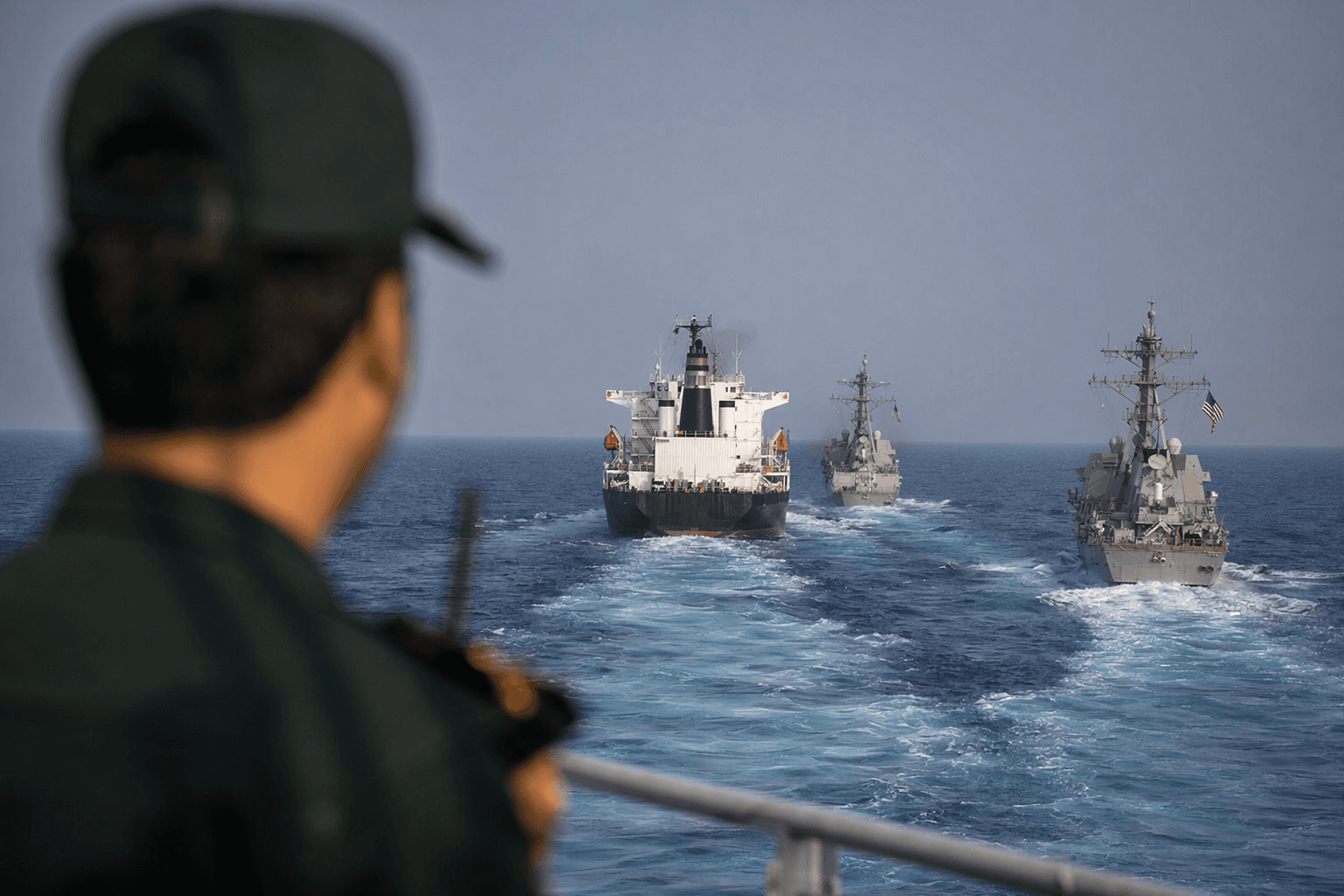
Mohammad Bagher Ghalibaf accused the United States of violating the shaky cease-fire as Iranian forces fired at vessels the U.S. Navy was guiding through the Strait of Hormuz, pushing a fragile truce toward a wider test at sea. The accusation landed as Defense Secretary Pete Hegseth and Gen. Dan Caine held a news conference Tuesday morning, with Washington trying to describe the operation as limited even as the fighting around it grew more dangerous.
U.S. military officials said two American-flagged merchant ships transited the strait successfully on Monday under a new U.S. effort to guide commercial vessels through the waterway. The operation began after Donald Trump announced that the United States would help escort ships not involved in the war, a move meant to keep trade moving through one of the world’s most important maritime passages.
The Pentagon has described the effort as defensive and temporary, but the accounts from the water told a broader story. U.S. Navy destroyers reportedly fended off Iranian missiles, attack drones and small boats while protecting the transit, and some reports said American forces destroyed several small Iranian boats that tried to interfere. Iran denied that crossings had taken place in recent hours, deepening the gap between the two sides’ accounts of what happened in the strait.
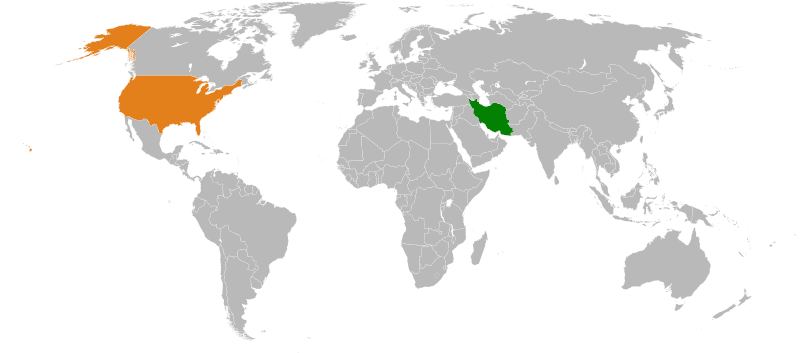
The confrontation matters because the Strait of Hormuz is a critical global chokepoint for oil and commercial shipping, where even brief disruptions can ripple through energy markets and shipping lanes far beyond the Gulf. The United Arab Emirates was also reported to have been hit by Iran for the first time since the fragile cease-fire took hold in early April, a sign that the conflict was no longer confined to one narrow corridor. If the U.S. keeps sending escorts, and Iran keeps treating those crossings as hostile acts, the operation Washington calls temporary could become another front in a longer war.
This article was produced by Prism’s automated news system from verified source data, official records, and press releases, then run through automated quality and moderation checks before publishing. The system is built and supervised by the people who set the standards it runs under. Read our full AI policy.
Did this article answer your question?