Yasser Abbas eyes Fatah role as succession battle looms in Palestine
Yasser Abbas is poised to seek one of 18 Central Committee seats as Fatah meets for the first time in nearly a decade, sharpening the post-Mahmoud Abbas race.
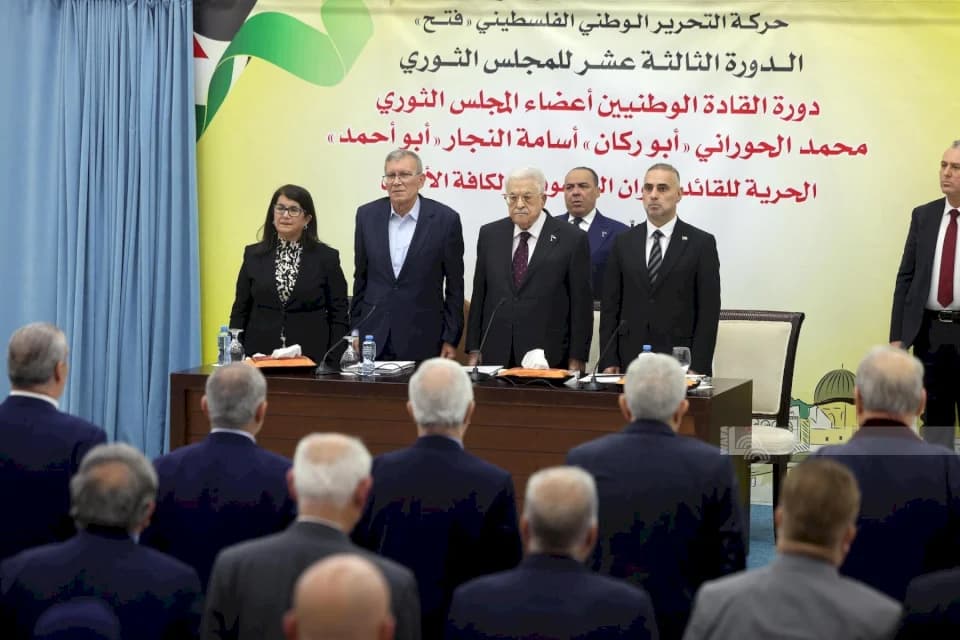
Yasser Abbas is set to test whether family ties can translate into formal power inside Fatah just as the Palestinian movement prepares for its most consequential internal gathering in years. The 64-year-old businessman, son of Palestinian President Mahmoud Abbas, is expected to seek one of 18 seats on Fatah’s Central Committee at the party’s eighth general conference in Ramallah from May 14 to 16, a meeting that could help shape the balance of power after Mahmoud Abbas, who is 90.
That makes the vote far more than a routine party contest. Fatah has gone almost 10 years without such a conference, and the next committee will help determine who steers the Palestinian National Liberation Movement as it faces war, occupation and an increasingly exhausted political system. Fatah’s previous congress in Ramallah, in 2016, drew more than 1,300 delegates and elected 18 members to the Central Committee, underscoring how much authority sits in that body and why the current race matters.
Yasser Abbas is not a political novice in name, but his expected entry into the leadership contest has sharpened speculation that Mahmoud Abbas may be preparing a dynastic handoff inside a movement that has long claimed national, not family, legitimacy. Background reporting identifies Yasser Abbas as a Palestinian-Canadian businessman born on February 8, 1962, with tobacco and contracting interests in parts of the Israeli-occupied West Bank where the Palestinian Authority exercises only limited self-rule. He and his brother Tarek Abbas have long faced accusations of benefiting from public funds to support their businesses, allegations both men deny.
The stakes extend beyond one family. Palestinian politics has gone years without national elections, leaving succession to be decided through party maneuvering, elite bargaining and institutional control rather than public mandate. Hamas won the Palestinian legislative elections in 2006 and later took control of Gaza after a brief civil war with Fatah, deepening the split that still defines Palestinian governance. Against that backdrop, any move by Yasser Abbas into Fatah’s top ranks would be read as a signal about who is being positioned to preserve the existing order, and who might be left out.
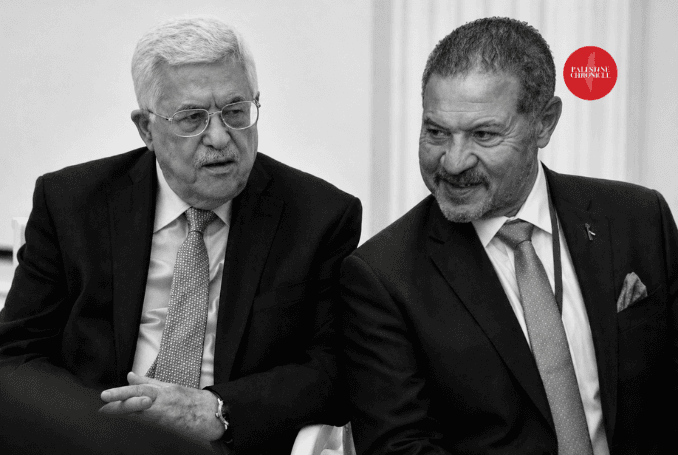
Some Fatah officials remain unconvinced that Yasser Abbas can unite a fractured polity or offer a credible political horizon. Their skepticism points to the central tension in Ramallah: whether Fatah’s next phase will reflect dynastic continuity, elite preservation or a broader struggle over legitimacy in the post-Abbas era. With the conference scheduled at the Palestinian presidential headquarters on May 14, the movement’s internal choices are no longer abstract. They are becoming the opening moves in the succession battle.
This article was produced by Prism’s automated news system from verified source data, official records, and press releases, then run through automated quality and moderation checks before publishing. The system is built and supervised by the people who set the standards it runs under. Read our full AI policy.
Did this article answer your question?


