ICC judges find Rodrigo Duterte fit for pretrial drug war proceedings
International Criminal Court judges in The Hague ruled Duterte fit to take part in pretrial and confirmation hearings over alleged crimes against humanity in his drug war.
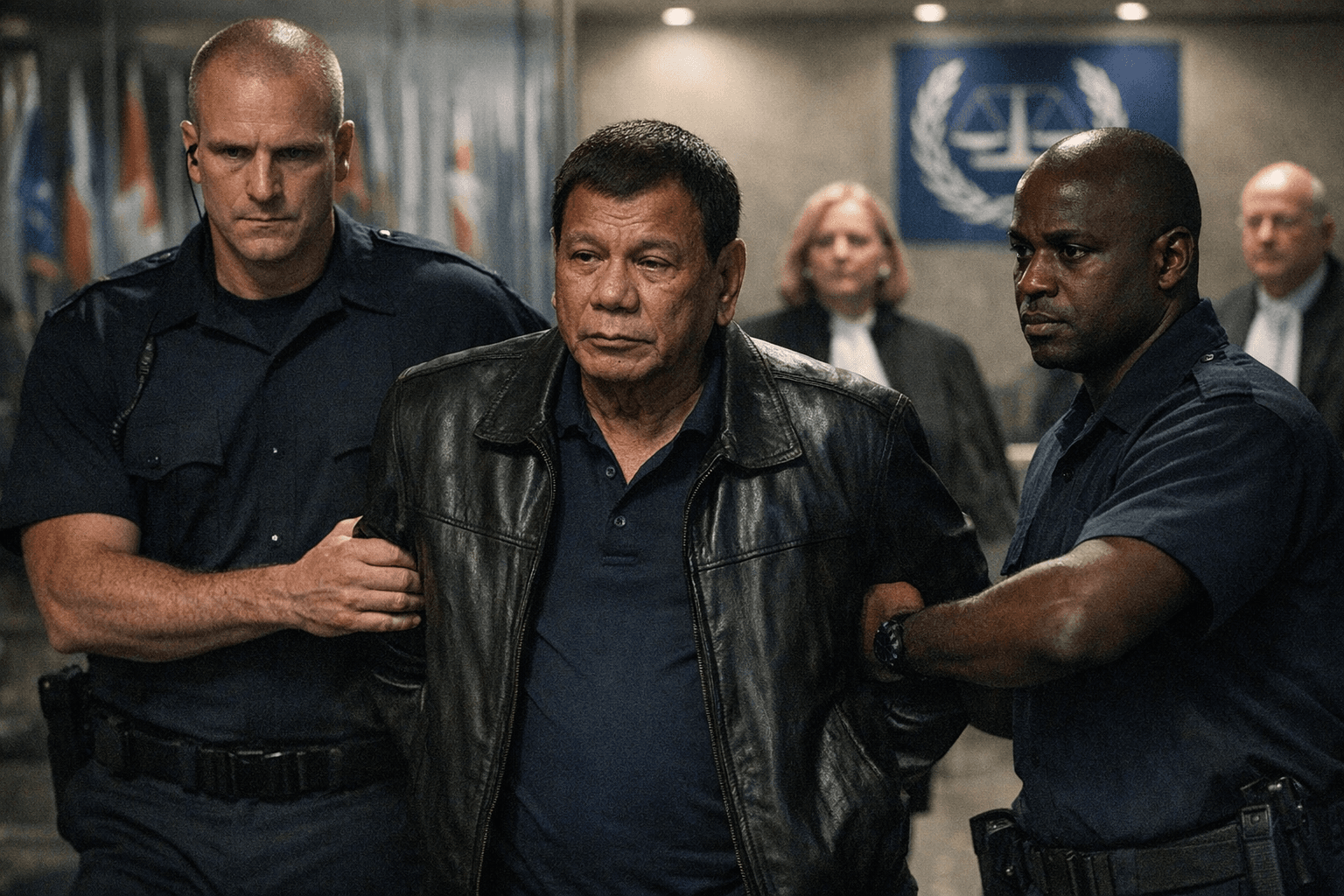
The International Criminal Court in The Hague ruled that former Philippine president Rodrigo Duterte is fit to participate in pretrial and confirmation-of-charges proceedings related to allegations of crimes against humanity arising from his administration's campaign against illegal drugs. The decision, handed down on January 26, clears a procedural obstacle to further judicial scrutiny of policies that reshaped Philippine politics and raised persistent international alarm.
The 80-year-old Duterte will now be expected to engage with pretrial steps that could include hearings to examine whether the evidence presented by the prosecutor meets the threshold for confirmation of charges. Confirmation-of-charges proceedings are a key gatekeeping stage at the ICC, where judges decide if there is sufficient evidence to send a case to trial. The court’s determination that Duterte is capable of participating addresses questions about his physical and mental capacity to follow and answer to those proceedings.
The allegations against Duterte stem from his so-called war on drugs, a campaign launched during his presidency that human rights groups and some national institutions say resulted in thousands of suspected extrajudicial killings. The ICC prosecutor has alleged that the campaign included patterns of unlawful killings and other crimes against humanity. The court’s move does not constitute a finding of guilt; it opens a judicial phase in which prosecutors and judges will test the factual and legal basis of those allegations.
The ruling will deepen an already complex nexus of law, diplomacy and domestic politics. At the international level, the case tests the ICC’s ability to proceed against a high-profile former head of state with significant popular backing at home. Enforcement of any eventual arrest warrant would depend on the cooperation of states, underscoring the court’s reliance on national authorities and the uneven global patchwork of support for international criminal adjudication.
Within the Philippines, reactions are likely to be sharply divided. Duterte remains a polarizing figure who continues to command strong support among parts of the electorate who credit his crackdown for reducing crime and restoring order. His critics view the ICC process as one of the few judicial avenues left after domestic institutions failed to hold perpetrators to account. The court’s ruling may therefore intensify debates over sovereignty, accountability, and the proper balance between law-and-order politics and human rights protections.
Regional responses may be cautious. Southeast Asian governments traditionally prioritize noninterference and may limit formal engagement with the ICC’s proceedings, even as civil society groups in the region and beyond press for accountability. Western states and human rights organizations are likely to welcome the court’s procedural progress as a step toward establishing an international record of alleged abuses.
Legal experts note that confirmation hearings will be consequential. If judges find the evidence sufficient, the court could commit the case to trial, a step that might prompt motions, appeals and prolonged litigation. If not, the ICC could dismiss the charges or require further investigative work.
The Hague ruling marks a new phase in a case that has drawn global attention for its implications for international criminal law and for democratic governance in the Philippines. How the process unfolds will shape not only the legal fate of one former leader but also broader debates about accountability and the limits of state power in the age of transnational justice.
This article was produced by Prism’s automated news system from verified source data, official records, and press releases, then run through automated quality and moderation checks before publishing. The system is built and supervised by the people who set the standards it runs under. Read our full AI policy.
Did this article answer your question?


