ICC Upholds Detention, Denies Duterte Release on Health Grounds
The International Criminal Court on November 28 rejected a defence bid to free former Philippine President Rodrigo Duterte on the basis of age and declining health, ordering him to remain in custody in The Hague. The decision keeps in place a key step toward a possible trial over alleged crimes stemming from his 2016 to 2022 anti drugs campaign, a ruling that will reverberate across Philippine politics and international justice debates.
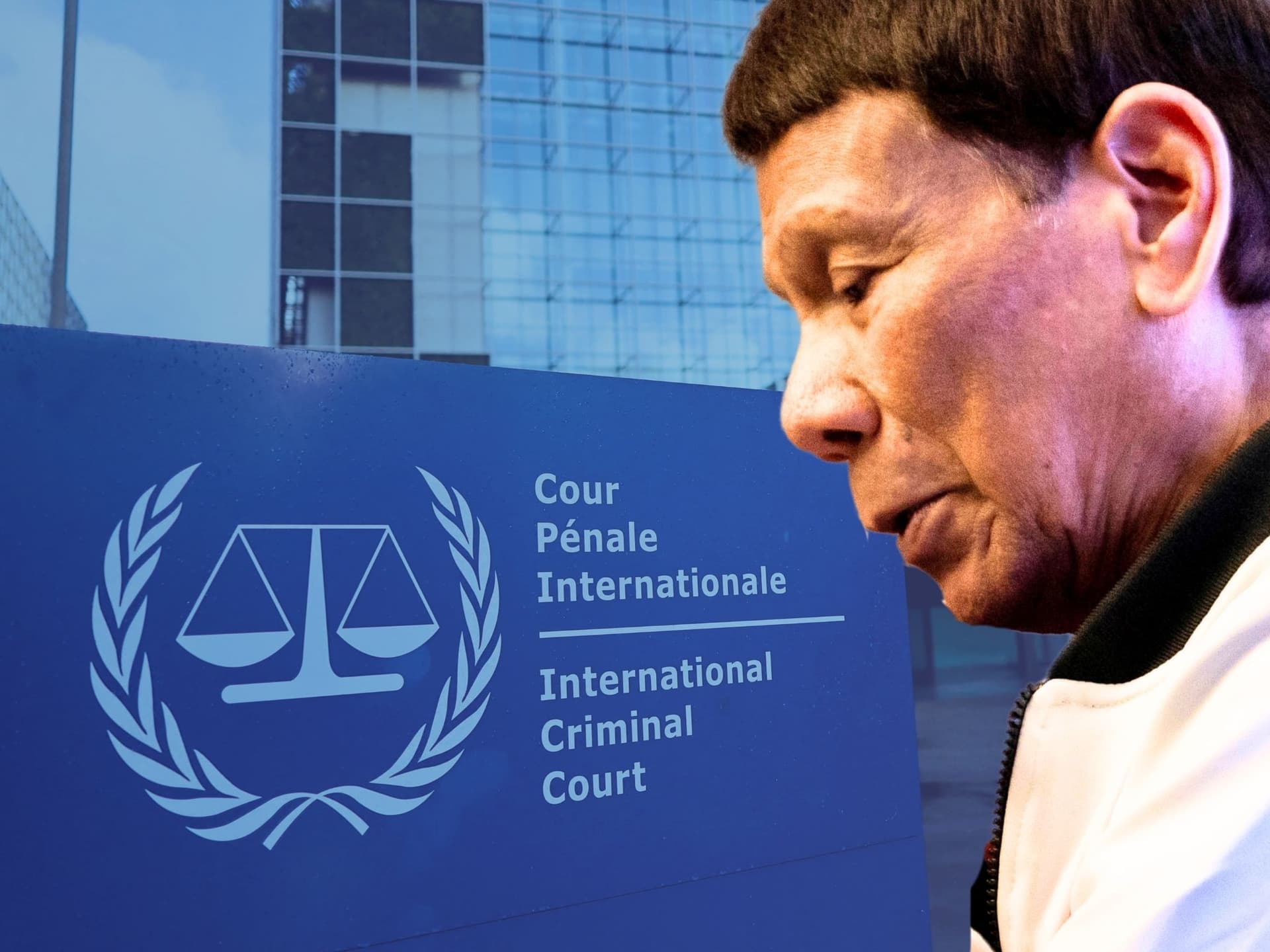
Judges at the International Criminal Court ruled on November 28 that former Philippine President Rodrigo Duterte must remain in detention in The Hague, rejecting a defence plea for provisional release on the basis of age and declining health. The 80 year old former leader is held awaiting possible trial on an arrest warrant that alleges crimes related to his controversial anti drugs campaign when he governed from 2016 to 2022. The Appeals Chamber found no errors in a lower court’s decision to keep him in custody.
Duterte’s detention and the court’s refusal to grant provisional release mark a significant moment for the ICC and for international accountability efforts in Southeast Asia. The arrest warrant and subsequent legal actions have challenged long established norms of national sovereignty and prompted heated debate within the Philippines, where many still view Duterte as a tough response to violent crime even as victims’ families demand justice. Those families welcomed the Appeals Chamber decision, seeing it as an affirmation that alleged mass abuses cannot be shielded by political power or age.
The court’s move comes amid broader questions about how international tribunals handle elderly defendants and claims of declining health. Provisional release is rarely granted and requires a high threshold that includes considerations of flight risk, potential interference with proceedings, and medical necessity. By upholding the custodial decision, the Appeals Chamber signalled its judgment that those thresholds were not met in this case.
The case has wider geopolitical and legal implications. The Philippines formally withdrew from the ICC in 2019, but the court maintains the authority to investigate and prosecute alleged crimes that occurred while the country was still a member. The situation underscores the tension between domestic politics and international law, as Manila navigates diplomatic sensitivities with The Hague while confronting a population divided over Duterte’s legacy.
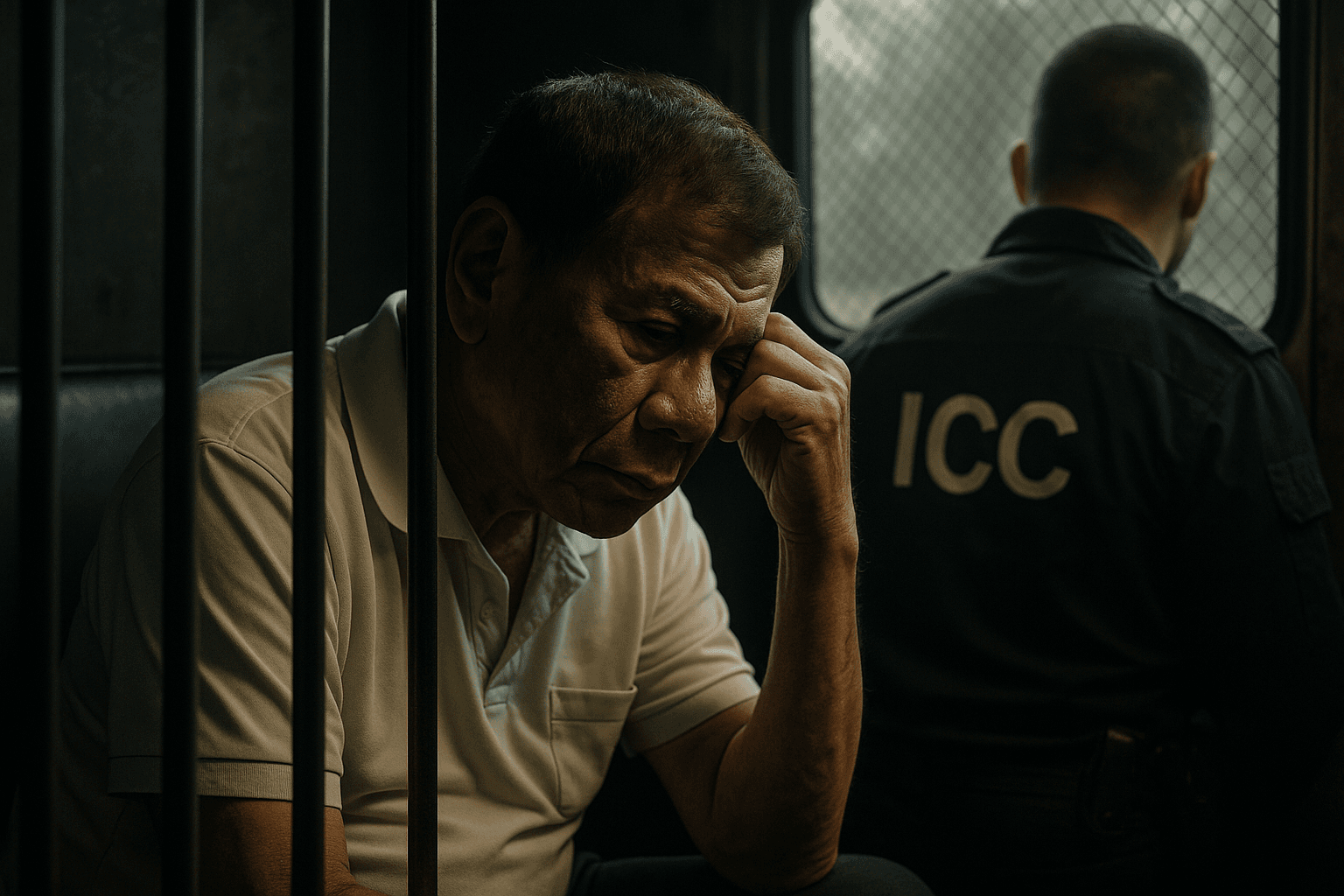
Beyond the immediate legal trajectory, the ruling will shape regional perceptions of accountability. For victims and human rights advocates, the decision represents momentum toward an eventual trial and a public reckoning with the lethal tactics of the anti drugs campaign. For Duterte’s supporters, it is likely to deepen narratives of external interference and allegations that his security policies were necessary responses to criminality.
International observers will be watching how the ICC proceeds, including whether the prosecution will move to trial and how defence teams might further contest jurisdictional and procedural points. The outcome will test the court’s capacity to pursue high profile cases against former heads of state while managing the political fallout that such prosecutions can produce. As the Philippines confronts the legal and moral legacy of the last decade, the Appeals Chamber’s ruling has already altered the landscape of accountability and will shape debates at home and abroad for months to come.
This article was produced by Prism’s automated news system from verified source data, official records, and press releases, then run through automated quality and moderation checks before publishing. The system is built and supervised by the people who set the standards it runs under. Read our full AI policy.
Did this article answer your question?