ICCAT Caps U.S. Share of Atlantic Tuna at Under 5%, Fishermen Protest
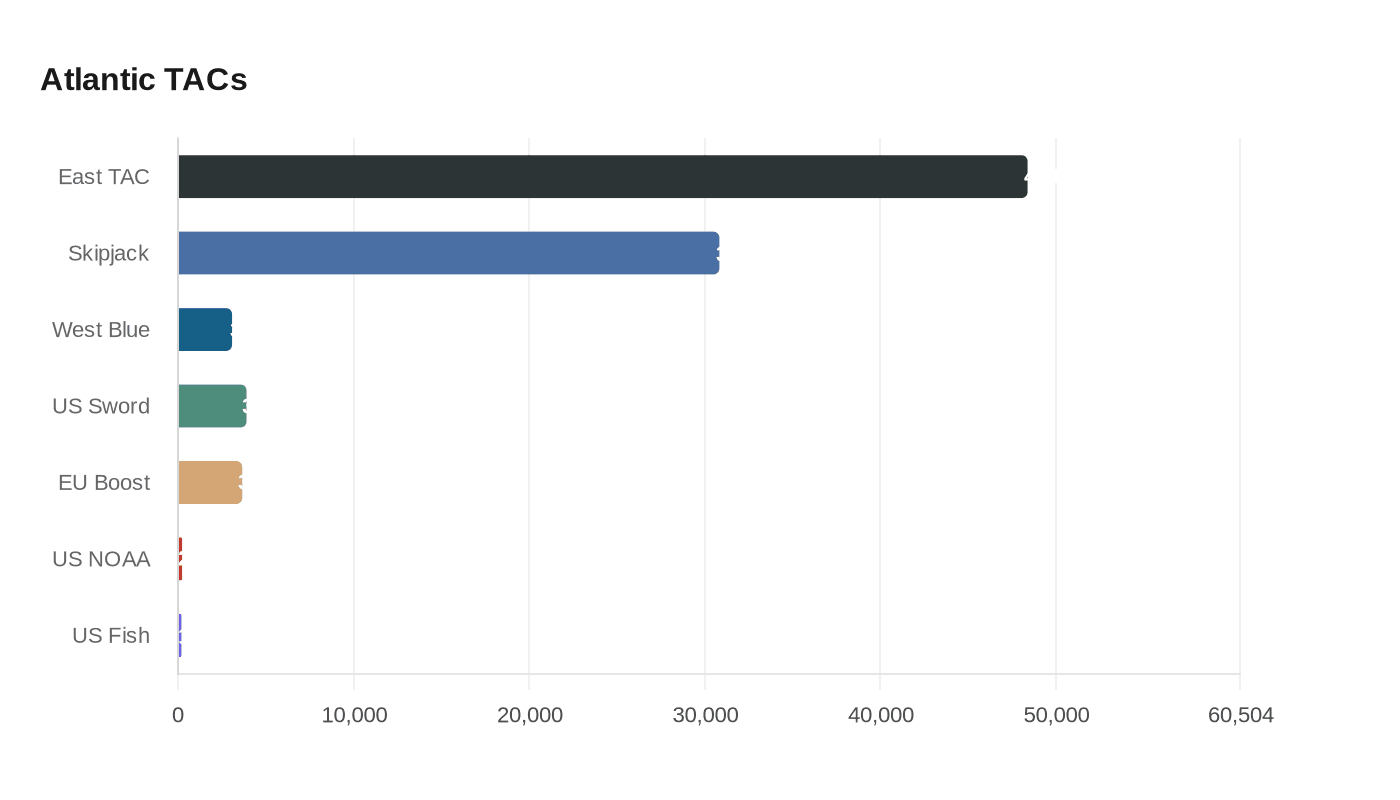
ICCAT set the western bluefin TAC at 3,081.6 metric tons while NOAA says the U.S. won a 231 MT boost - critics including Stephen Moore say U.S. share remains under 5%.

ICCAT’s 2025 meeting in Seville produced a regional western Atlantic bluefin TAC of 3,081.6 metric tons for 2026-2028, even as NOAA told U.S. anglers that American negotiators secured what the agency calls a U.S. increase of 231 metric tons. Economist Stephen Moore criticized ICCAT’s allocations, saying the commission “restricts U.S. fishermen to less than 5% of tuna and swordfish catch despite America's productive fleet and long coastline.”
NOAA and the National Fisherman framed the result as a hard-won win for U.S. fishermen, calling it “the largest single-year increase in U.S. bluefin tuna quota in the history of the fishery.” NOAA attributed the U.S. push to negotiators led by Andrew (Drew) Lawler, NOAA’s Principal Deputy Assistant Secretary for International Fisheries, and highlighted the U.S. delegation present in Seville, which included Eugenio Piñeiro Soler identified in NOAA’s meeting photo. Neil Jacobs, Ph.D., undersecretary of commerce for oceans and atmosphere and NOAA administrator, said, “We are very pleased with the successful results of our negotiations for both our recreational and commercial fisheries... We are proud of the work our team has done to provide a voice for America’s fishermen.”
Not all reporting agrees on how much the U.S. pocketed. TheFisherman reported the U.S. annual bluefin quota will increase by 191 metric tons in 2026, a figure that conflicts with NOAA’s 231 metric ton claim. TheFisherman also noted European nations received a 3,661 metric ton boost to eastern stocks. ICCAT-level reporting from OntheWater and SeafoodSource places the western TAC at 3,081.6 MT - a roughly 13% regional increase - and the eastern Atlantic and Mediterranean TAC at 48,403 MT, a 19.3% rise.
Industry voices at and following the Seville meeting stressed the contentious nature of the bluefin debate. John DePersenaire of Viking Marine Group said, “As expected, it was a contentious discussion on bluefin tuna,” and added the U.S. delegation “essentially faced a stacked deck with members from the European Union hold much of the combined eastern bluefin quota which is greater than the entire western TAC.” TheFisherman and industry webinar coverage underscored that perception of unequal quota concentration among ICCAT members.
ICCAT also moved on other management fronts that will affect commercial fleets and NOAA’s domestic rules. The commission adopted a management procedure for western Atlantic skipjack and fixed its TAC at 30,844 metric tons for 2026-2028; SeafoodSource quoted the ISSF saying, “The highlight of the 2025 meeting was ICCAT’s adoption of a management procedure (MP) for western Atlantic skipjack – a significant milestone and one of our top priorities.” ICCAT adopted the final component of a management procedure for North Atlantic swordfish while the U.S. retained its historic swordfish quota of 3,907 metric tons.
The decisions came during ICCAT’s annual meeting, held November 17-24, 2025 in Seville with 55 nations participating. International TACs do not automatically change U.S. recreational limits; OntheWater notes that “NOAA Fisheries will determine how these international TACs translate into category shares, seasons, and retention limits for U.S. anglers.” NOAA’s public statement also said, “U.S. fishermen will see an increase in total allowable catch beginning [...]” but the supplied excerpt did not include an effective start date. The Seville outcomes leave a clear next step: NOAA Fisheries must map ICCAT’s region-level TACs into specific U.S. allocations and seasons, even as industry critics and economists continue to argue the United States’ overall share of Atlantic tuna and swordfish remains constrained.
Know something we missed? Have a correction or additional information?
Submit a Tip