Albacore Troll Fishery Nets $17.9 Million Amid 2025 Catch, Price Gains
Seaside Signal reported the troll-gear albacore fishery posted a $17.9 million harvest value in 2025 after both catch and price increases.

Seaside Signal reported that “the troll‑gear albacore tuna fishery saw both catch and price increases in 2025, producing a harvest value of $17.9 million for that gear‑specific fishery.” The figure is notable for a hook-and-line sector that, in Pacific Canada, is narrowly defined and seasonally active; the brief excerpt did not specify geographic limits, vessel counts, tonnage or price per unit behind the dollar figure.
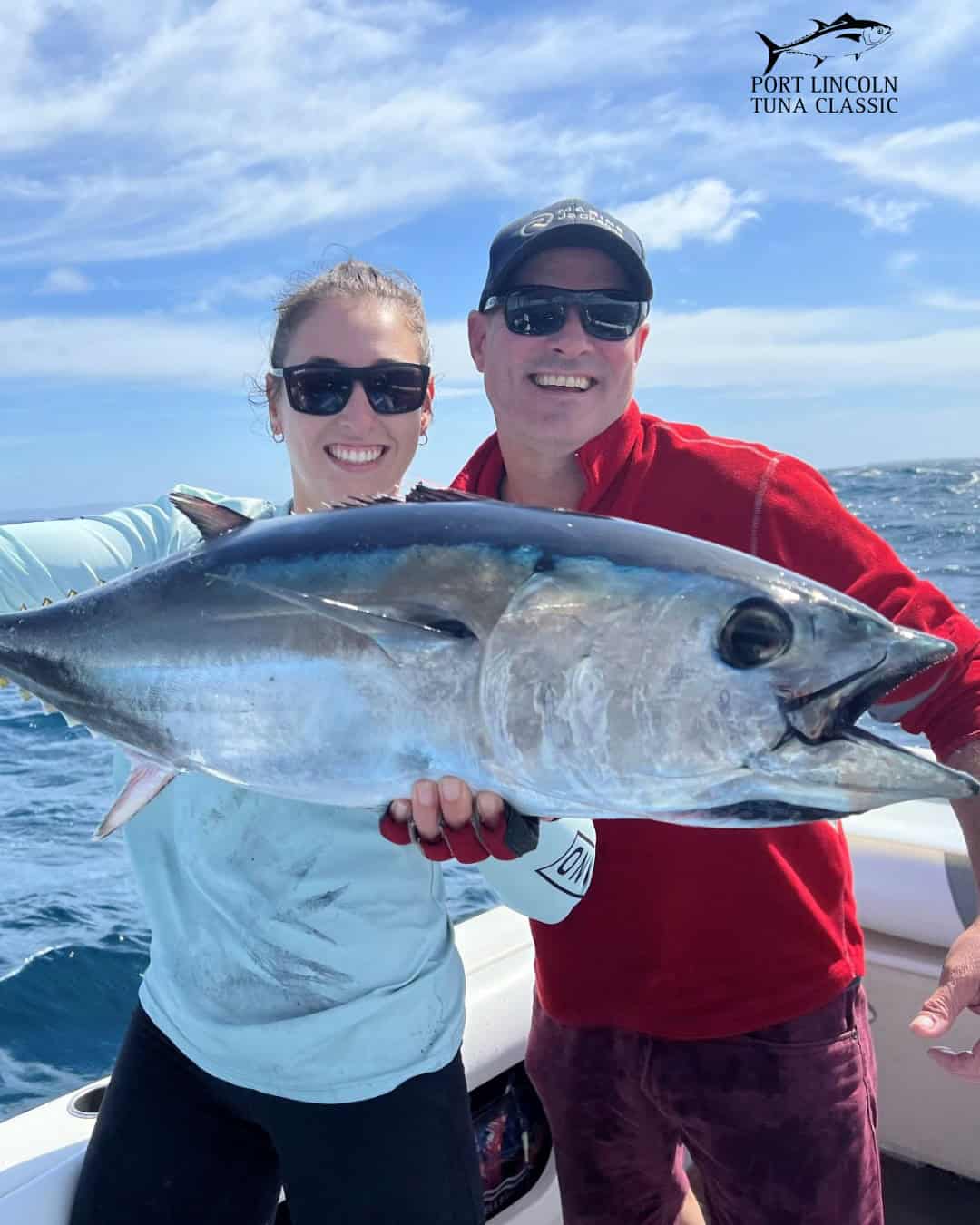
That gear-specific figure lines up with the description in the Pacific Integrated Fisheries Management Plan for Canada: “The Pacific Canadian fishery is focused on highly migratory Albacore Tuna (Thunnus alalunga) using troll gear.” The IFMP continues that “Harvest of Pacific Albacore is currently made using hook and line (jig) gear, primarily by troll, which involves towing artificial lures behind vessels travelling at approximately 6 knots.” Net gear is not permitted in the Canadian management framework.
Operational and access rules for vessels that would generate the troll-gear value are set out in the IFMP. The document states that “The coastal fleet operates in the Canadian EEZ and the high seas under the authority of a Category CT tuna licence, which is available to all vessels with a vessel-based licence that has Schedule II privileges. Vessels without any Schedule II privileges may fish for tuna species on the high seas under the authority of a Section 68 (high seas only) licence.” The Pacific albacore season is defined as open from April 1 to March 31 each year in the Canadian EEZ and the high seas, with a Canada-USA treaty window allowing “a limited number of eligible Canadian vessels” to fish in the U.S. EEZ from June 15 to September 15.
Bycatch and gear impacts cited in the IFMP are minimal for trolling: “Trolling operations are carried out at or close to the surface of the ocean and catches of non-target fish species and turtles, marine mammals and seabirds are generally negligible in troll fisheries world-wide.” The IFMP lists incidental catches as Skipjack Tuna, Pacific Bluefin Tuna, Dolphinfish or Mahi-Mahi, Yellowtail, Blue Shark and Shortfin Mako Shark and notes that “Species caught incidentally may be returned to the sea alive immediately after hooking, as fish are caught [...]”
Regional context highlights why a gear-specific $17.9 million figure sits alongside much larger Pacific trends. SPC and FFA reporting show that “In 2024 the catch value attributed to FFA fleets reached at $1.9 billion, an increase of more than 100% since 2015,” and that the share of catch value taken by FFA Members’ fleets rose to 61% in 2024 after hovering around 53-58% between 2020 and 2023. The SPC excerpts also record that “exports ... have surged by approximately 71% in 2024,” onshore processing rose nearly 100% above 2015 levels, and tuna-related employment grew by 19% between 2015 and 2024.
On stock status, SPC’s 2024 assessment projects that “under status quo fishing conditions where catch levels are maintained at average 2020-2022 levels, the stock size will increase in the short term before stabilizing at 50% of its current size, which is very near the current TRP (49%).” SPC cautions that “this does not mean that the associated fisheries for that stock are performing well economically or that desired management outcomes are being achieved,” and notes a small risk the stock could fall below the Limit Reference Point.
The available excerpts do not contradict one another but cover different scales: a 2025 troll-gear harvest value in a regional brief, Canadian IFMP rules and gear definitions, and broader FFA/SPC economic and stock-assessment totals for 2024. Pinning down whether $17.9 million reflects a Canada-only troll fleet windfall, a multi-jurisdictional tally under treaty access, or a processor-level aggregation will require landing and price records from DFO, processor receipts, and the full Coastal Fisheries Report Card. Until those data are produced, the $17.9 million number signals a real boost for the troll sector but leaves key details of scope and drivers unresolved.
Know something we missed? Have a correction or additional information?
Submit a Tip