ICE Arrest of Alaska Mother and Removal of Three Children Sparks Hearing
ICE arrested Soldotna McDonald’s worker Sonia Espinoza Arriaga and took her three children, ages 18, 16 and 5, into custody on Feb. 17, triggering vigils and a state House Judiciary investigatory hearing.
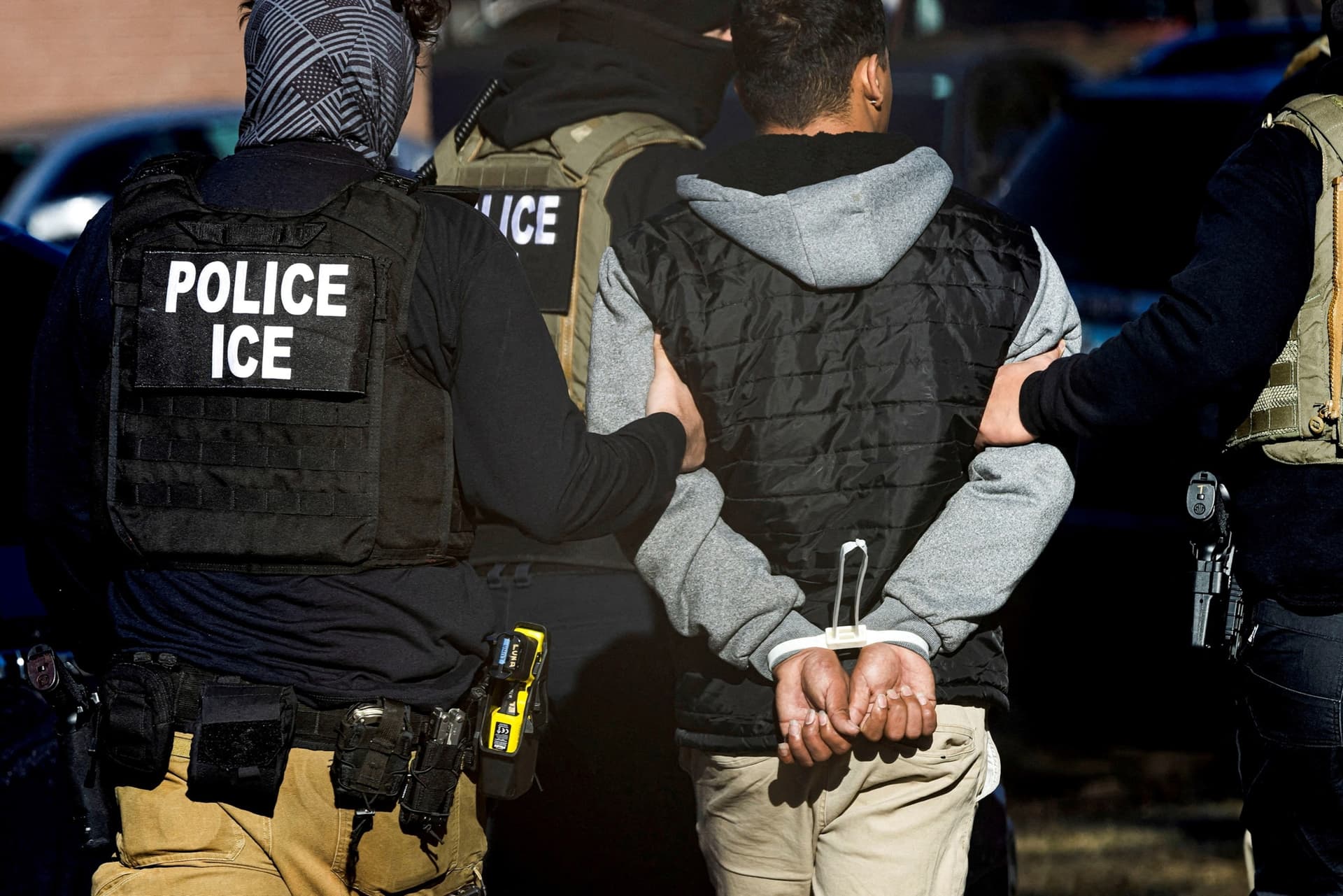
ICE arrested Sonia Espinoza Arriaga in Soldotna, Alaska on Feb. 17 and took into custody her three children, ages 18, 16 and 5, setting off community vigils and an investigatory hearing by the Alaska House Judiciary Committee chaired by Rep. Andrew Gray. Arriaga is a McDonald’s employee in Soldotna; federal officials defended the removals while state lawmakers pressed for answers about detaining minors on Alaska soil.
ICE told reporters that Arriaga and her children “were issued a final order of removal as a family unit Jan. 13 after she failed to show up for her immigration court hearing,” and the agency said it “located and arrested Espinoza in Soldotna, Alaska on Feb. 17 during a targeted vehicle stop.” ICE added it “ensured the family remained together at the agency’s request and brought them to the ICE Enforcement and Removal Operations field office in Anchorage for processing.”
Following the arrest, news accounts and committee testimony laid out a rapid post-arrest timeline: the day after the stop Arriaga and her two younger children were deported to Jalisco, Mexico and remain there, while the 18-year-old was held at the Anchorage Correctional Complex and then transferred on Feb. 20 to a privately-run ICE detention facility in Tacoma, Washington. Committee members and advocates raised questions about who made those transfer decisions and whether children were afforded required safeguards.
Rep. Andrew Gray opened the hearing by asking whether Alaska was about to see more child detentions, saying, “Is Alaska about to see more children detained?” and later that “my biggest hope is that we don’t see any more children detained by ICE in Alaska.” Federal officials did not appear at the state hearing to answer legislators’ questions in person; ICE provided statements to the press but no agency representatives testified before the committee.
State public safety officials told lawmakers they do not carry out immigration enforcement. Leon Morgan, deputy commissioner with the Alaska Department of Public Safety, testified: “We don’t coordinate with ICE for immigration enforcement.” Morgan added that while the department partners with federal authorities in criminal matters, civil immigration enforcement “isn’t in that purview” and “that’s been a long-standing policy with the department.”
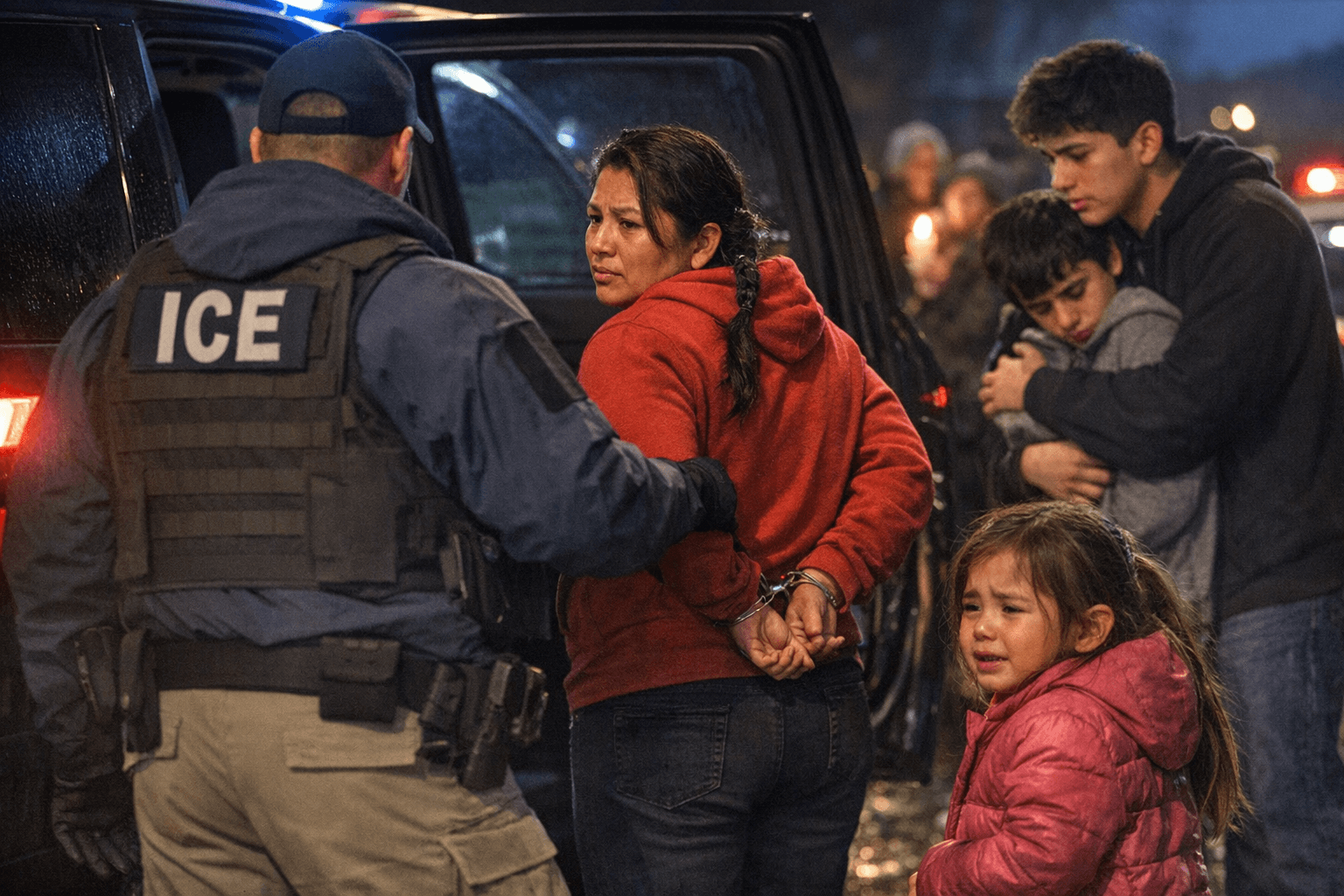
Legal and community witnesses pressed a contrasting view of how the family was handled. Elora Mukherjee, director of the Immigrants’ Rights Clinic at Columbia University, testified that “(Arriaga and her sons) were abruptly swept into immigration detention” and argued that the sequence “violates multiple provisions of the U.S. Constitution and federal law.” A clergy leader who testified said the community had “no previous knowledge of any detention of minor children in the state of Alaska by ICE or associated federal agencies” and raised concerns that the state lacks facilities to adequately care for detained minors.
Witnesses at the hearing included an attorney representing young children in federal immigration custody, several faith leaders, immigrant-rights advocates, and Allison Flack, the mother of a friend of the deported 5-year-old. Committee members also heard background that Arriaga has been described as recently married to a U.S. citizen and was pursuing asylum after fleeing violence in Mexico, material supporters and advocates said during testimony.
Lawmakers pressed for records and clarity on several unresolved facts: who conducted the targeted vehicle stop, whether local or state officers assisted, flight and transfer manifests for the Feb. 18 deportation and Feb. 20 transfer, the 18-year-old’s detention status and facility details in Tacoma, and formal notification steps taken for minors. Rep. Gray framed the hearing as a deterrent, urging ICE to “give them pause” if the agency was considering further child detentions in Alaska.
The Judiciary Committee signaled it will continue seeking documentation and answers; state officials reiterated their nonparticipation in immigration enforcement, while immigrant-rights advocates and clergy urged procedural review and protections for families and children moving forward.
Know something we missed? Have a correction or additional information?
Submit a Tip
%2Fcloudfront-us-east-2.images.arcpublishing.com%2Freuters%2F545WPZS6BZKOHC2XHOUXX3QXLY.jpg&w=1920&q=75)