Restaurant Sector Drives U.S. Job Growth, Pressuring McDonald’s Frontline Workforce
U.S. restaurant payrolls rose about 1% in 2025, adding roughly 108,000 jobs, and eating and drinking places added 27,800 jobs in January 2026 — a shift that tightens hiring for McDonald’s frontline roles.
%2Fcloudfront-us-east-2.images.arcpublishing.com%2Freuters%2F545WPZS6BZKOHC2XHOUXX3QXLY.jpg&w=1920&q=75)
U.S. restaurant payrolls ticked up about 1% in 2025, adding roughly 108,000 jobs, and eating and drinking places posted a seasonally adjusted gain of 27,800 jobs in January 2026, according to Bureau of Labor Statistics figures reported by industry outlets. Those gains came even as overall payroll growth was modest, placing restaurants at the center of hiring competition that affects frontline workers at major franchised systems such as McDonald’s.
Reuters captured the consumer impulse behind the surge: “On paper, American consumers spent last year tightening their belts, and even retail heavyweights stumbled. But sit-down restaurants and some drive-through chains buzzed with patrons seeking a special treat or cheap comfort food.” The consumer “cheap indulgence” trend coincided with menu price increases and helped operators add staff even amid traffic softness.
The December 2025 monthly numbers underscored restaurants’ outsized role in weak months for the broader economy. Kenkuscher highlighted that employers added roughly 50,000 jobs nationwide in December, and restaurants and bars accounted for more than half of that total by adding over 27,000 jobs on their own. Those concentrated monthly gains show how eating and drinking places have been a disproportionate source of new hires when other sectors slow.
Subsector results diverged across chains. Darden increased staff about 3.8% for fiscal 2025, and Reuters noted coffee-chain Dutch Bros “grew headcount by a third in last two years.” At the same time, Reuters warned that most national restaurant chains are franchised and do not report franchisee employment, and added that “Chipotle and Starbucks, which operate the majority of their own stores, reported slight declines in total headcount for fiscal year 2025.” That franchising reality complicates comparisons and obscures how pressures are playing out inside McDonald’s franchise restaurants versus corporate metrics.
Hiring pipelines showed clear signals of renewed labor supply interest. Lightcast data cited by Marketplace recorded job-posting gains, including about 26,000 more postings for food service managers and food prep workers in one summer compared with the prior year. Marketplace’s reporting also preserved the labor-market complexity, with Lightcast economist Ron Hetrick noting, “People were like, ‘Look, I can't come to work because I'm afraid that I might, you know, be sent out of the country. So they just didn't show up.’” Restaurateur Scott Weiner described brisk applicant flow for new projects: “I filled 150 positions for the opening of The Alston pretty quickly. Applications came in from everywhere.”
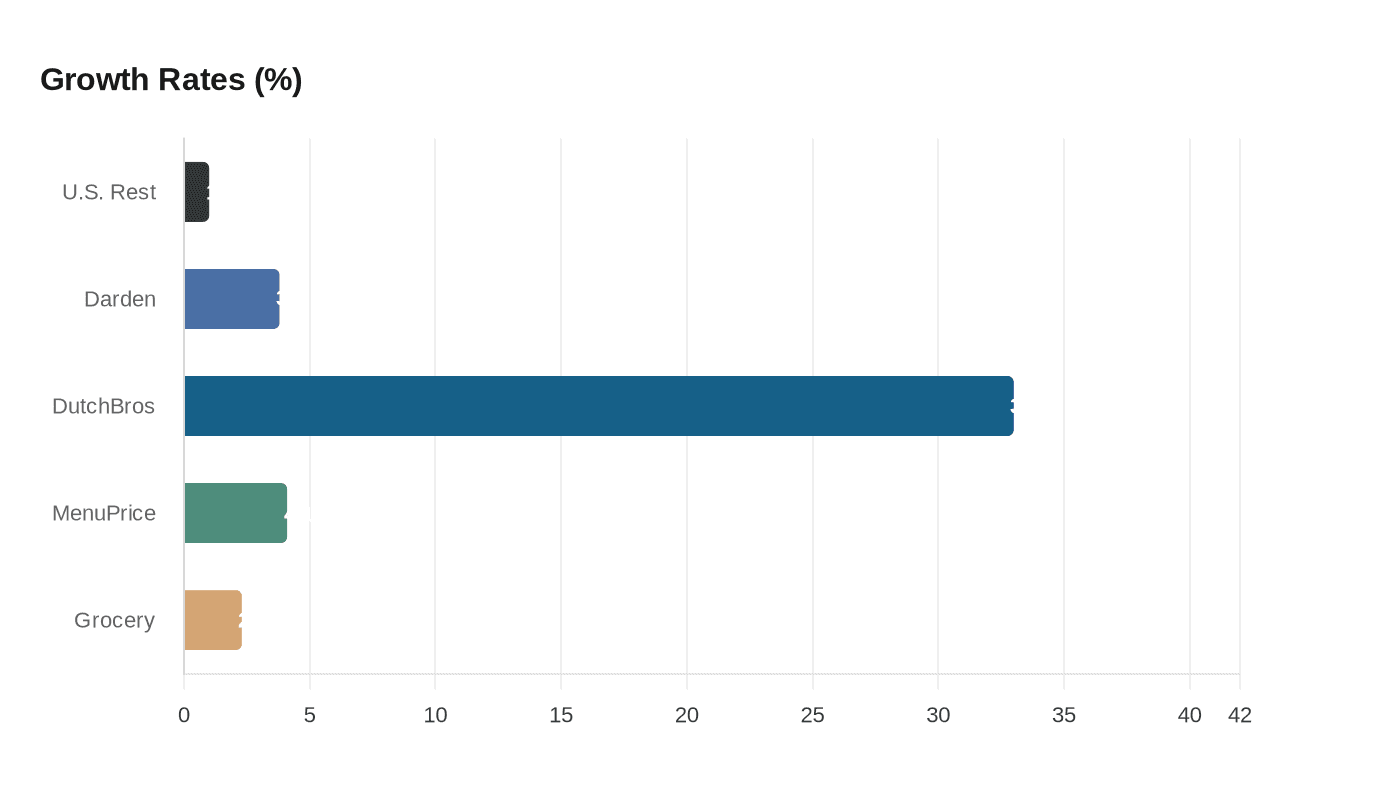
Price levers have helped restaurants sustain payrolls: Longbridge reported menu prices rose about 4.1% while grocery inflation ran near 2.3%, providing revenue support despite rising labor costs and softer traffic. For McDonald’s frontline workforce, the mix of stronger hiring in eating and drinking places, sustained menu inflation, and franchise reporting limits means franchisees face intensified competition for crew and managers even as corporate metrics may not fully reflect franchise-level churn.
Eating and drinking places have added momentum into 2026 — National Restaurant News tallied a net 172,000 jobs in the prior eight months and reported the sector was about 105,000 jobs above its February 2020 employment peak as of January 2026 — a dynamic that will shape hiring, scheduling, and pay decisions across McDonald’s franchise system in the months ahead.
Know something we missed? Have a correction or additional information?
Submit a Tip