ICE suspends most vehicle stops nationwide after deadly shootings
ICE ordered most vehicle stops halted nationwide after fatal shootings in Houston and Maine. The temporary retreat follows mounting scrutiny over force and training.
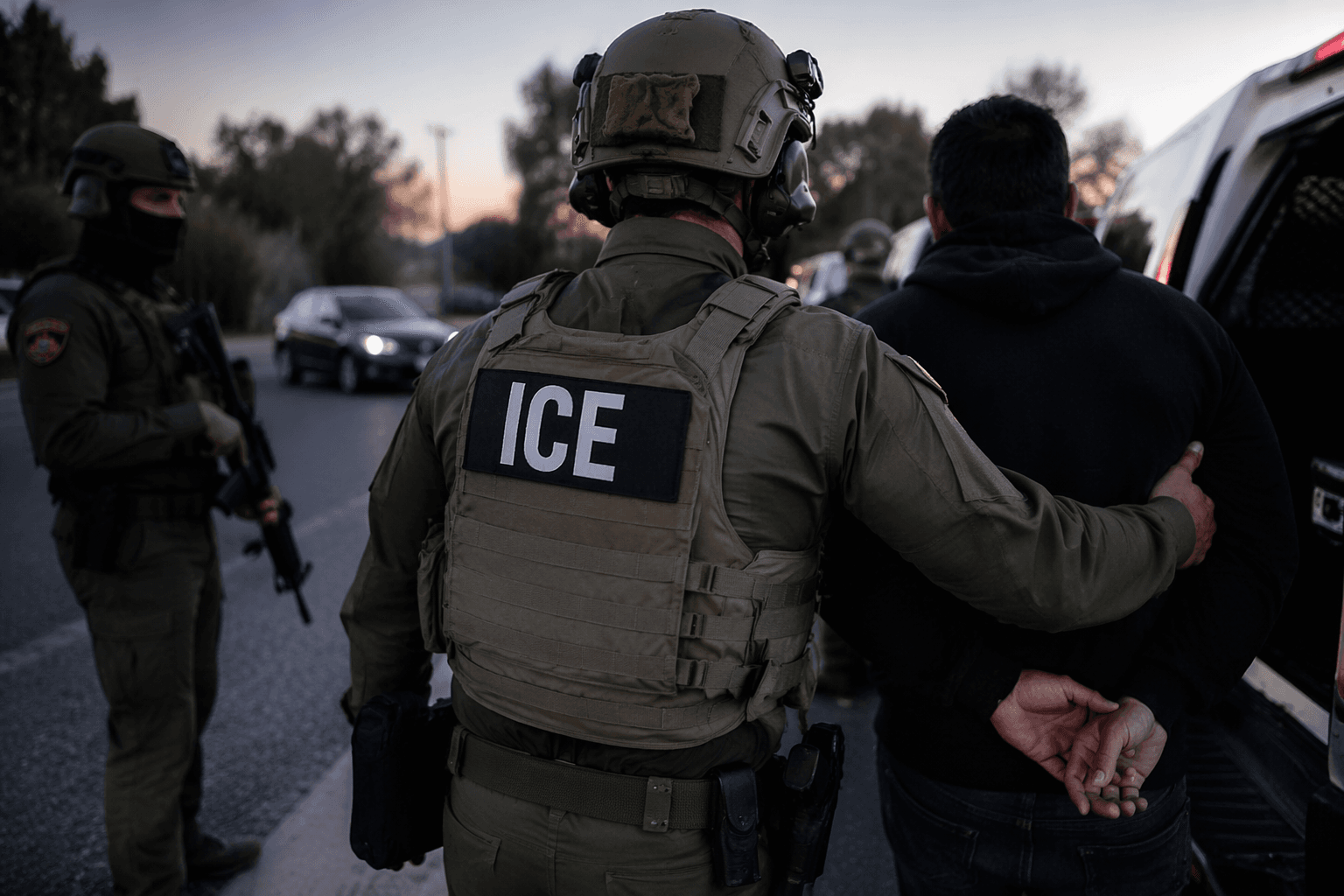
U.S. Immigration and Customs Enforcement ordered agents to suspend most vehicle stops nationwide during immigration enforcement, limiting the tactic to cases involving serious criminal targets. The shift came after two fatal shootings in separate stop incidents six days apart, a sharp pullback from one of the agency’s more visible street-level tools.
In Houston, ICE officers fatally shot 52-year-old Lorenzo Salgado Araujo on July 7 after, the Department of Homeland Security said, he was not the intended target. Officers were looking for another person, and reports said Araujo allegedly tried to use his vehicle to ram officers. In Biddeford, Maine, 26-year-old Joan Sebastian Guerrero was shot and killed on July 13 after ICE officers attempted to stop him. DHS said Guerrero tried to flee and that an officer fired out of fear for public safety.
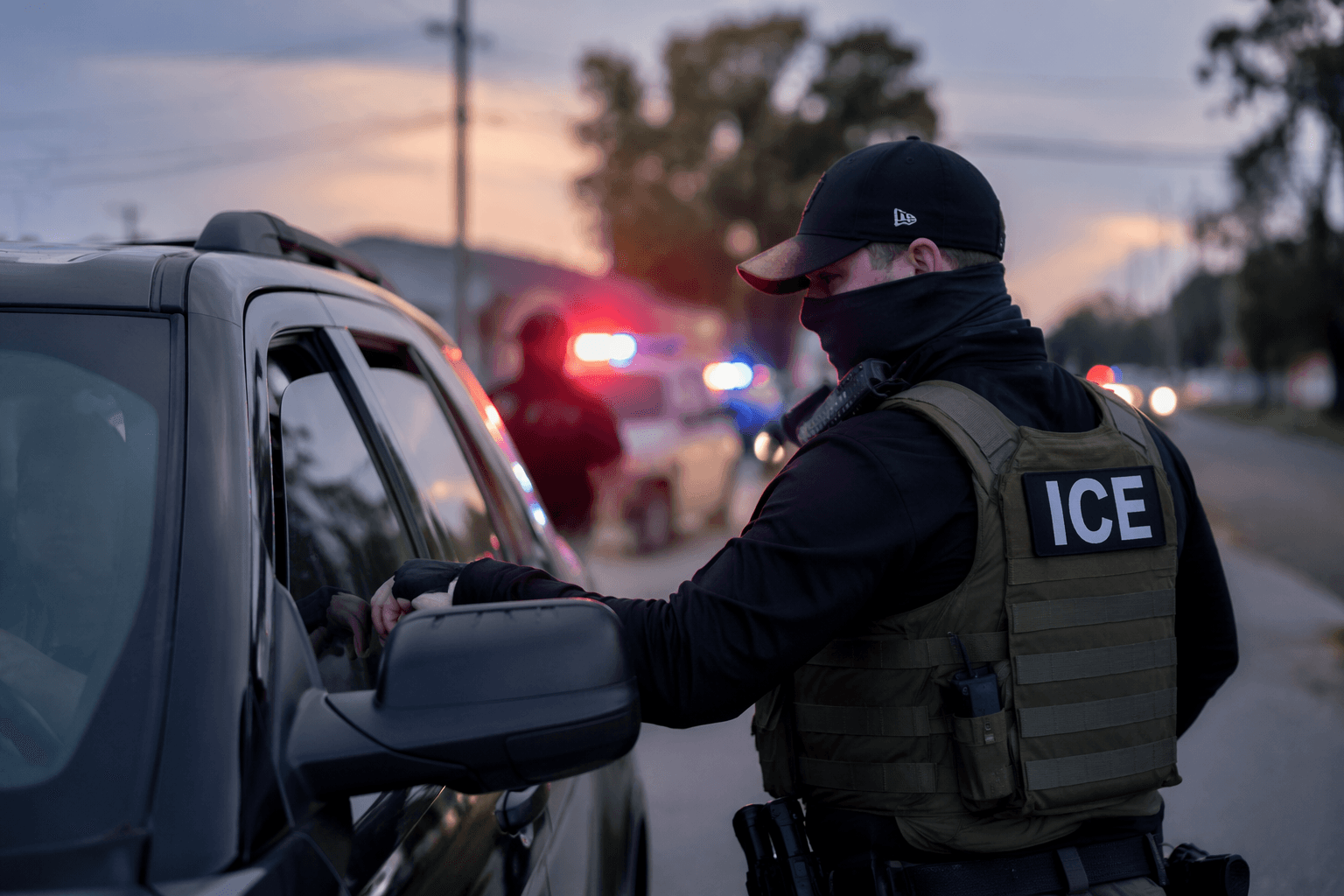
The new guidance was described as temporary while officers receive additional training on vehicle stops. It also narrows ICE’s ability to follow suspects away from homes and workplaces unless the case involves a serious criminal target. That restriction matters because vehicle stops had become a more prominent part of the agency’s expanded immigration enforcement operations, and the Houston shooting drew added scrutiny because officers were not wearing body cameras.
The Maine killing intensified the political backlash. Protesters gathered in Biddeford after Guerrero was killed, in a case that unfolded about 15 miles south of Portland. Sen. Susan Collins of Maine said she pressed the Department of Homeland Security to stop non-urgent vehicle stops, adding another layer of pressure on an agency already facing criticism over excessive force and lethal encounters.
The change leaves ICE under closer scrutiny over how it trains officers, how aggressively it pushes arrests, and how far it is willing to let immigration enforcement extend into traffic stops and roadside confrontations. For now, the agency has pulled back from a tactic that had been central to its broader enforcement push, at least until officers are retrained and the fallout from the two shootings settles.
This article was produced by Prism’s automated news system from verified source data, official records, and press releases, then run through automated quality and moderation checks before publishing. The system is built and supervised by the people who set the standards it runs under. Read our full AI policy.
Did this article answer your question?