Teens turn to AI for homework, advice and emotional support
More than half of U.S. teens now use chatbots for schoolwork, and 12% say they have turned to AI for emotional support. Teen use is spreading fastest where adults worry most: homework, advice and private conversations.
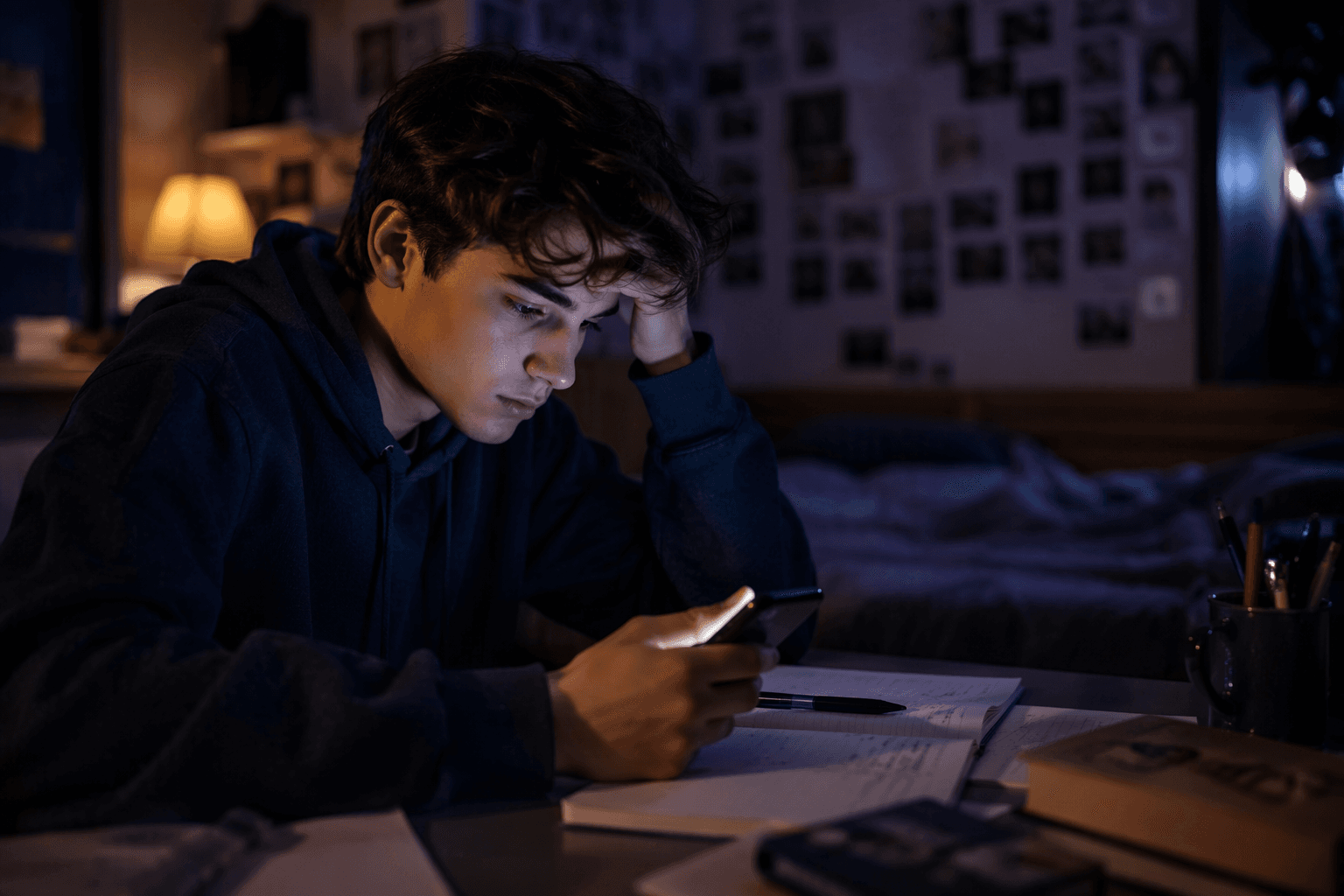
Just over half of U.S. teens say they have used chatbots for schoolwork, and 12% say they have turned to them for emotional support, putting AI inside the daily routines of adolescence. Pew Research Center surveyed 1,458 U.S. teens and their parents online from Sept. 25 to Oct. 9, 2025, and published the findings on Feb. 24, 2026.
The numbers point to a generation making practical decisions about when AI helps, when it feels like cheating and when it should not be trusted. About three-in-ten teens said they use chatbots daily, and about a third said AI will do a better job than humans at teaching school subjects. For many, the appeal is immediate and concrete: help with a homework question, a faster path through a hard reading assignment or a way to test an idea before turning it in.
Tessa Klein, 18, a recent high school graduate from Oradell, New Jersey, said AI helped her in ordinary academic tasks, giving useful feedback on essays and walking her through complex science concepts. That kind of use captures the middle ground teens are drawing for themselves, where AI is not a substitute for school but a tool they bring in when a teacher is unavailable, a parent cannot explain the lesson or a classmate is not enough.
The pattern is spreading fast. Common Sense Media released a report on June 8, 2026 that surveyed more than 1,000 9- to 17-year-olds and found AI moving quickly into kids’ lives. The American Psychological Association has warned that AI’s effects on adolescent development are nuanced and complex, and has urged schools and policymakers to prioritize AI literacy, teacher training and age-appropriate guidelines.

Adults often frame the issue around fear of dependency or blurred boundaries. Teens are already living with those boundaries in real time. Some use chatbots for relationship advice, some for creative help and a smaller share for emotional support, raising questions about loneliness and whether a machine should ever fill that role. At the same time, some experts see AI as a private tutor, especially valuable for students who cannot afford extra help.
Students who graduated in 2026 had access to models like ChatGPT since their freshman year of high school, making them the first cohort to spend essentially all of high school in the AI era. That reality is forcing schools and families to catch up to rules teenagers are already making for themselves.
This article was produced by Prism’s automated news system from verified source data, official records, and press releases, then run through automated quality and moderation checks before publishing. The system is built and supervised by the people who set the standards it runs under. Read our full AI policy.
Did this article answer your question?