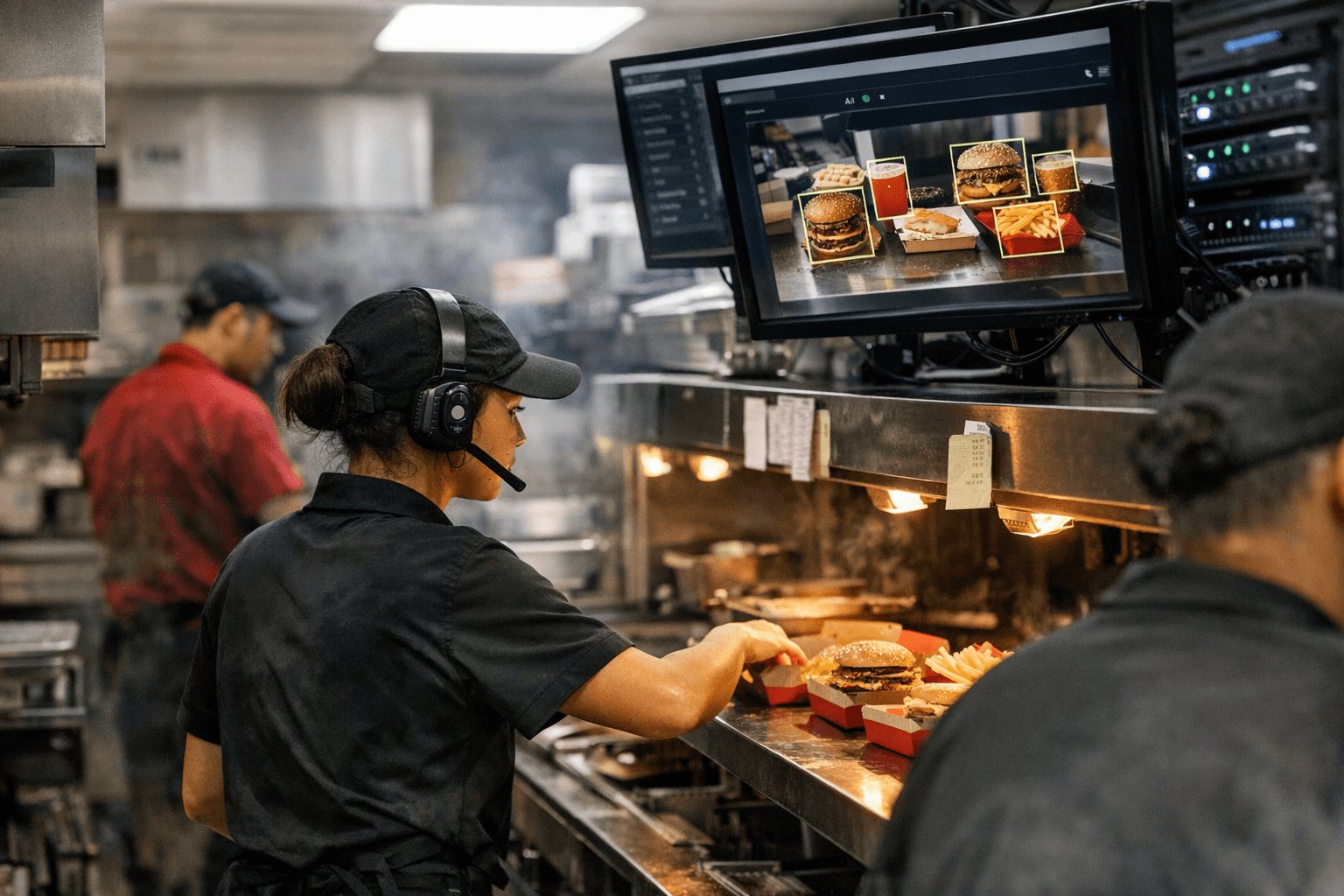
ICIJ Finds Worker Allegations of Labor Trafficking at McDonald's Middle East Franchises
ICIJ published a longform investigation in which nearly 100 workers alleged harsh conditions and practices widely considered indicators of labor trafficking at McDonald’s franchises in parts of the Middle East.
The International Consortium of Investigative Journalists (ICIJ) published a longform investigation documenting allegations from nearly 100 current and former workers who "reported being subjected to practices that are widely considered indicators of labor trafficking" at McDonald’s franchise operations in parts of the Middle East. The reporting paints a picture of migrant frontline staff facing severe power imbalances with employers and intermediaries, and raises questions about how franchised restaurant systems manage recruitment, payroll and oversight.
The investigation’s geographic description was broad, limited to "parts of the Middle East," and the notes provided do not include specific countries or franchise names. Still, the volume of interviews and the language used underline a pattern that labor experts say typically centers on recruitment fees, withheld documents and restricted movement for migrant workers. Those conditions affect day-to-day workplace dynamics by concentrating leverage with managers and recruitment intermediaries while leaving rank-and-file workers with limited recourse to complain or change jobs.
ICIJ’s wider reporting on labor in the region offers a point of comparison. Separate ICIJ coverage by Pramod Acharya and Michael Hudson reported that Amazon paid $1.9 million to hundreds of current and former workers in Saudi Arabia after exposure of abuses at the company’s warehouses. That story said Amazon "paid reimbursements to more than 700 migrant workers who had been required to pay recruitment fees and other costs to secure work at the company’s distribution centers in Saudi Arabia" and quoted the company as committed to "fundamental human rights and the dignity of people connected to our business around the world." Amazon also told investigators it employed "nearly 1,500 permanent and seasonal workers in Saudi Arabia."
Sector-wide materials included with the ICIJ work add systemic context. A Frequently Asked Questions document tied to a trafficking investigation stated: "The primary cause of irresponsible recruitment practices today generally starts and ends with destination country actors (employers/recruitment intermediaries) and their corrupt actions and behavior. And too often with brand/buyers practices contributing negatively to the overall processes too. Remediation is important, but prevention is better." One related investigation summarized in materials warned that audits intended to flag labor abuses have been described as "designed to fail."

For workers in franchised operations, the implications are concrete. When recruitment fees, document retention or precarious visa rules are present, employees face constraints that shape scheduling, reporting and wages. Franchised restaurants can compound those pressures because responsibility is often split between corporate brand standards and locally owned franchise operators. The visualization used in related reporting - an "illustration of silhouetted businessmen overlooking a line of workers" - underscores the asymmetry critics say enables abuses.
ICIJ’s McDonald’s-focused reporting did not include corporate responses or remediation measures in the materials provided here. Next steps for readers and for workplace stakeholders include seeking transparent responses from McDonald’s corporate and identified franchisees, verified documentation of recruitment and payroll practices, and independent audits designed to detect, not obscure, abuse. For workers, advocates and regulators, the investigation signals the need for stronger safeguards around recruitment, clearer accountability across franchised supply chains, and concrete remediation when exploitative practices are documented.
Know something we missed? Have a correction or additional information?
Submit a Tip