IDF strikes dozens of sites tied to Iran internal security forces, raising public health alarm
The Israel Defense Forces struck dozens of sites linked to Iran's internal security forces overnight, a move that could disrupt hospitals, displace communities, and strain humanitarian channels.

The Israel Defense Forces has struck dozens of sites connected to Iran's internal security forces overnight, an escalation that risks immediate harm to civilians and longer-term strain on health systems and essential services. The raids, carried out in the hours before March 4, 2026, mark a direct kinetic action on facilities associated with domestic security apparatuses and raise fresh questions about protection for noncombatants and continuity of care.
Precise damage and casualty counts have not been released in the initial reports, but attacks on clustered security infrastructure often produce secondary impacts that reach far beyond the targeted compounds. Hospitals, clinics and emergency responders can face sudden surges in demand after strikes, while damage to roads, power lines and communications networks can sever access to care for days. Iran's health system, already coping with long-term shortages of medicines and equipment tied to sanctions and funding shortfalls, may find its resilience tested if civilian injuries, displacement and infrastructure outages increase.
Public health officials and humanitarian planners typically track three immediate pathways by which strikes on internal security sites affect communities: acute trauma care needs from blast and shrapnel injuries; interruption of chronic disease management when pharmacies, dialysis centers or supply chains are disrupted; and population displacement that concentrates vulnerability in shelters or makeshift camps where infectious disease, maternal health and mental health services are harder to deliver. In Iran, where socioeconomic inequities leave rural provinces and marginalized ethnic minorities with weaker baseline access to care, those downstream harms can be concentrated among the most vulnerable.
Health policy implications are also fiscal and political. Emergency reallocation of budgets toward security can squeeze public health spending, undermining vaccination campaigns, noncommunicable disease programs and preventive care. Humanitarian access is likely to become urgent if displacement widens, and international health agencies may face barriers in delivering medical supplies if logistics corridors are degraded or if sanctions complicate procurement.
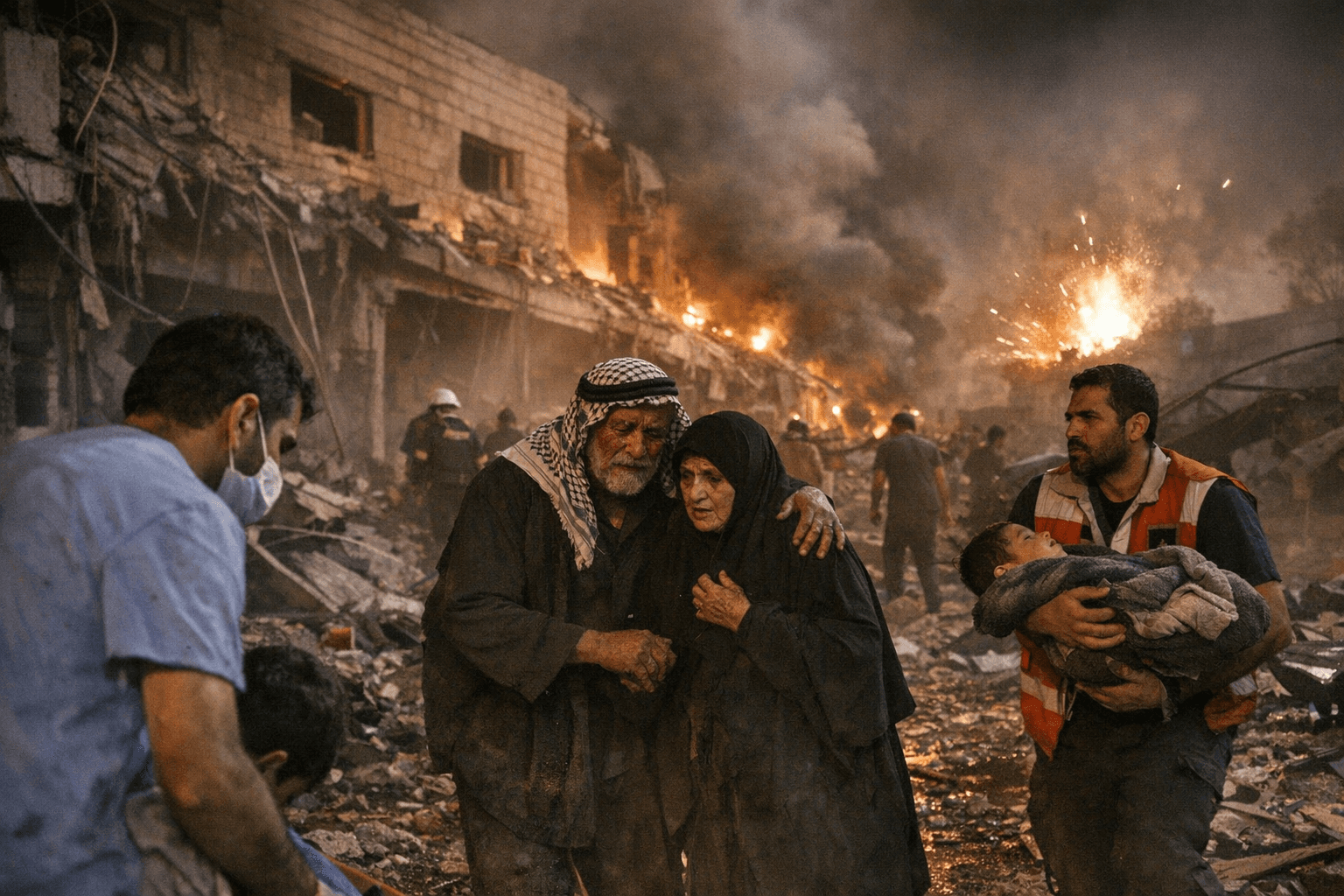
Community-level impacts include immediate disruption to daily life, school closures, interrupted public transit and limited electricity or heating in affected districts. Those disruptions exacerbate risks for children, pregnant people and older adults who rely on consistent medical services. Prolonged insecurity also carries a mental health toll, with increased rates of anxiety, depression and post-traumatic stress among civilians living near strike zones or checkpoints.
Policymakers face a narrow window to reduce civilian harm. Ensuring humanitarian corridors, safeguarding hospitals and ambulances, and coordinating with neutral international health organizations for rapid delivery of trauma kits, antibiotics and surgical supplies are immediate priorities. Longer term, restoring and protecting supply chains for essential medicines and medical equipment will be necessary to prevent excess morbidity and mortality among people not directly injured by the strikes.
The night's events also risk broader regional spillover. Disruption to infrastructure and population displacement can create cross-border pressures on neighboring health systems, underscoring that military actions inside one state can quickly become a regional public health challenge. For communities inside Iran, the most pressing need will be clear, rapid information on where to find functioning medical care and safe shelter, and for policymakers to prioritize life-saving health services for those least able to absorb new shocks.
This article was produced by Prism’s automated news system from verified source data, official records, and press releases, then run through automated quality and moderation checks before publishing. The system is built and supervised by the people who set the standards it runs under. Read our full AI policy.
Did this article answer your question?

