Iḷisaġvik College in Utqiaġvik remains Alaska's only federally recognized tribal college
Iḷisaġvik College in Utqiaġvik remains Alaska's only federally recognized tribal college, providing culturally grounded credentials and workforce training to nearly 1,000 North Slope students.
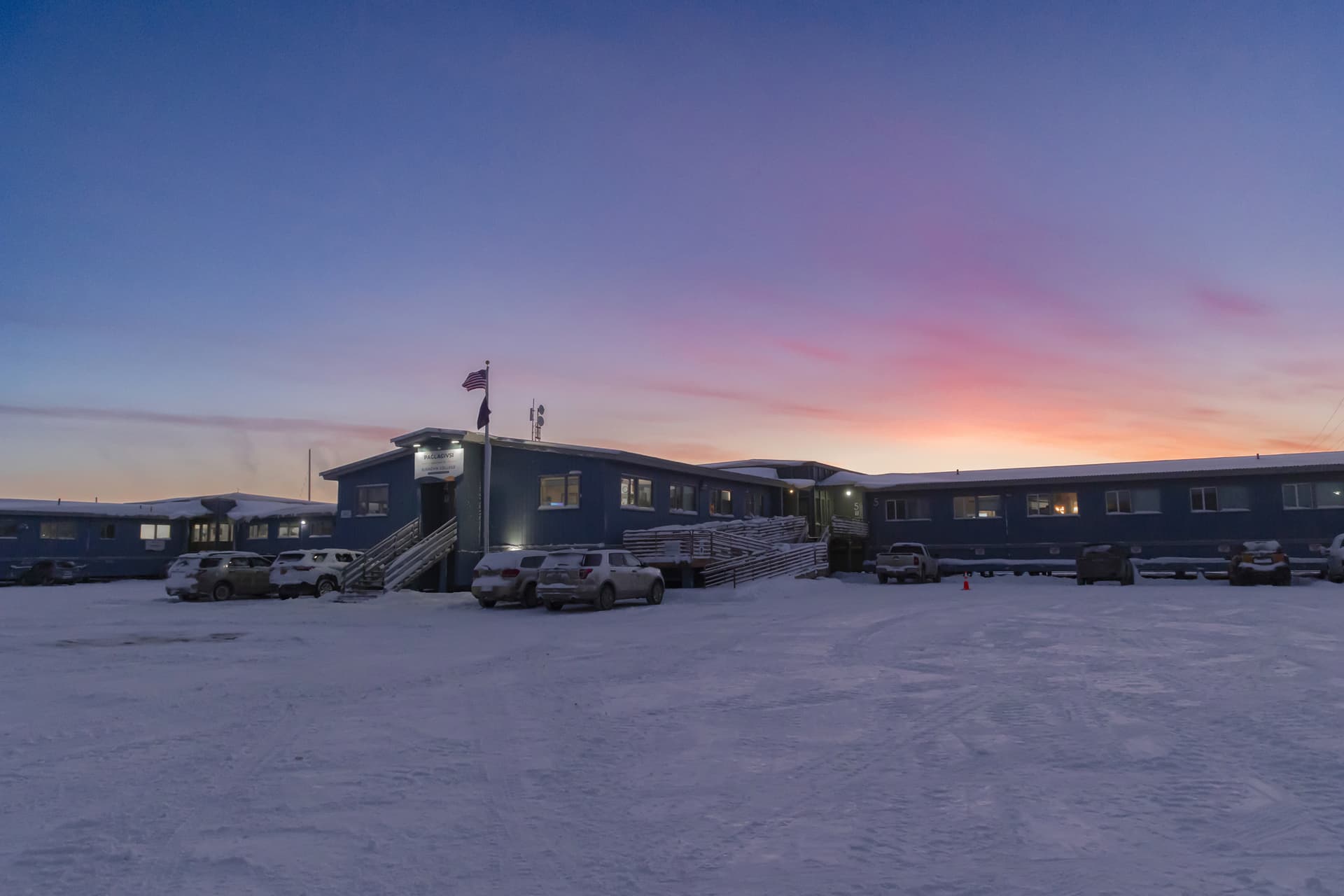
Perched only yards from the Arctic Ocean, Iḷisaġvik College serves as the North Slope Borough’s homegrown pathway to postsecondary education and local jobs. Established after a 1995 ordinance that created the Iḷisaġvik College Corporation and formally founded in 1996, the institution was granted federal tribal college recognition in 2005 and remains Alaska’s only federally recognized tribal college. It is accredited by the Northwest Commission on Colleges and Universities and is the northernmost accredited community college in the United States.
The college educates students across an 89,000‑square‑mile region roughly the size of Michigan, offering certificates, associate degrees, workforce training, continuing education and adult basic education. Campus materials state 988 students were enrolled for the ’24‑’25 academic year, with 63 percent identifying as Alaska Native or American Indian, a 7:1 faculty‑student ratio, and more than $1 million awarded in student aid that year. Marketing copy emphasizes accessibility — “Open to all!” — while noting tuition waivers for Alaska Natives, American Indians, elders and all North Slope Borough residents.
Iḷisaġvik centers Iñupiaq language and values in its curriculum. All degree plans include Iñupiaq Studies content or students can pursue an Associate of Arts in Iñupiaq Studies or a Certificate in Iñupiaq Language and Culture. Science and STEM offerings blend Indigenous knowledge with place‑based research and hands‑on fieldwork; middle school outreach such as the Weather and Satellites Summer Camp brings youth to the Utqiagvik NOAA station for practical labs and air‑sampling projects. The college states its motto as “Honoring your past, preparing for your future” and says student supports include tutoring, internships, a loaner laptop program and financial aid counseling under the banner Iḷisaqtuat Sivulligilugit - Students First.
Leaders have framed academic expansion as an economic and cultural opportunity. The institution was granted candidacy status for a Bachelor of Business Administration beginning Fall 2017, and campus faculty described the business program as a bridge between traditional values and workplace skills. David Rice, assistant professor and head of the business program, said, “The business program helps students gain the skills to work effectively within all levels of an organization.” He added, “In addition, our emphasis on Iñupiaq values helps to shape our curriculum and instructional methods. We think this makes a business degree from Ilisagvik unique and especially valuable to our students.” Dr. Pearl Kiyawn Brower has spoken of the program’s energizing effect on campus: “I am super excited and I feel that our entire campus is giving all they can,” she said.
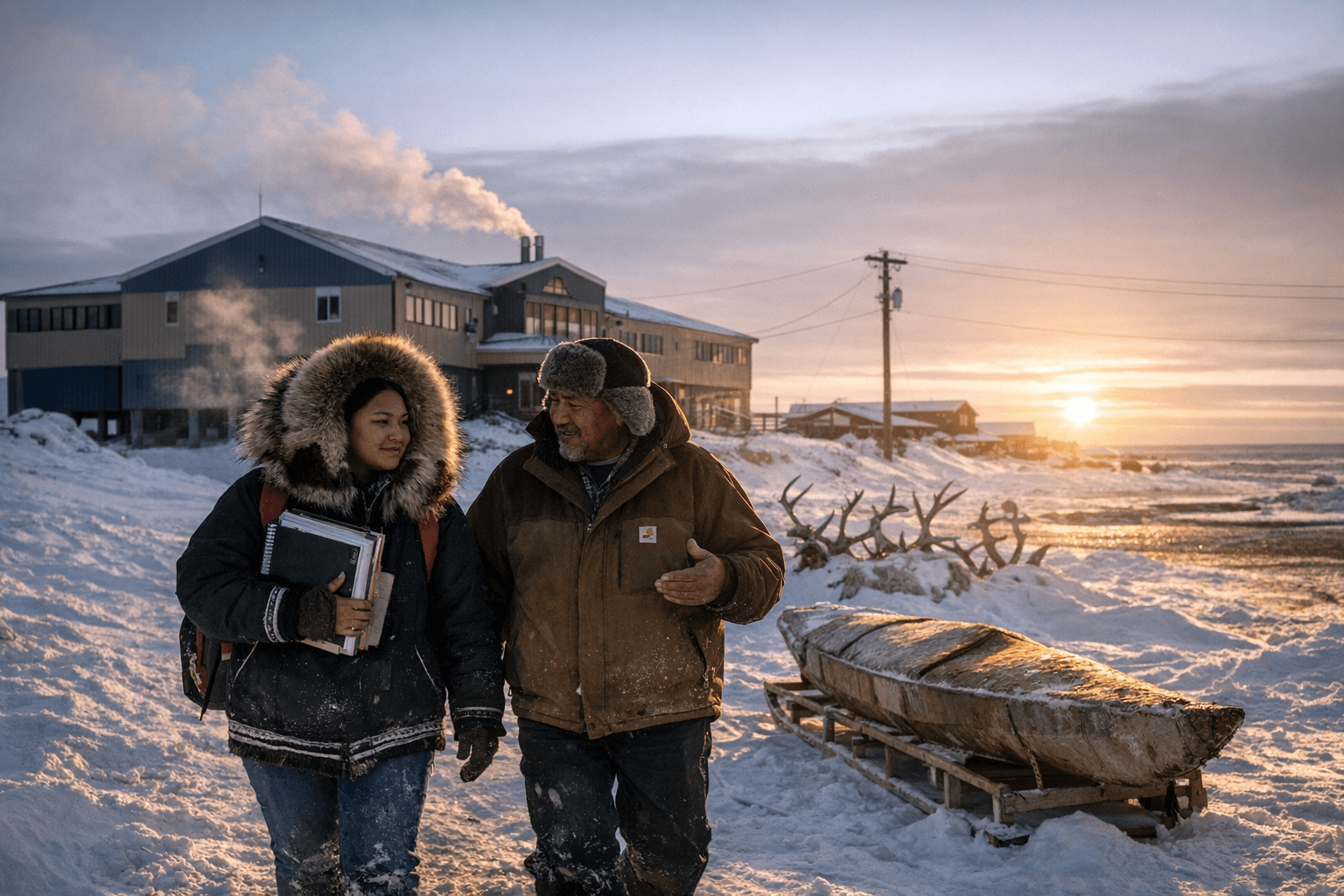
Geography and logistics remain central to access and cost. Utqiaġvik connects to the Dalton Highway by a 414‑mile stretch and relies on seasonal ice roads for some ground travel, with regular air service the primary link to the rest of Alaska. Local workforce focus is clear: graduates move into health, STEM and local management roles, keeping income circulating on the slope. Philanthropic support has supplemented campus work, with donor investments reported as $20,000 from the Wells Fargo Foundation and $15,000 from Repsol in late 2025.
For North Slope residents, Iḷisaġvik College remains a place to learn in Iñupiaq context, train for regional jobs and build local leadership. As the college balances vocational needs, STEM research and cultural preservation, its next chapter will hinge on degree development, sustained funding and continued ties between classroom learning and life on the Arctic tundra.
Know something we missed? Have a correction or additional information?
Submit a Tip