Illegal Colombian gold was laundered into Canadian mint supply chain
Cartel-linked Colombian gold was mixed with U.S. bullion, refined in Canada, and exposed a paperwork loophole that let tainted metal enter a government-backed supply chain.

Illegal gold from Colombia’s Antioquia region was mixed with U.S. bullion in Texas and then refined by the Royal Canadian Mint, showing how cartel-linked metal can be scrubbed by paperwork and commingling before it reaches the formal market.
The Mint said the mixed material made up about 5% of the more than five million ounces of rough gold it refined last year. After learning of the allegations, it immediately and fully suspended refining any material from the supply chain in question and opened a full review of how the metal moved through the system.
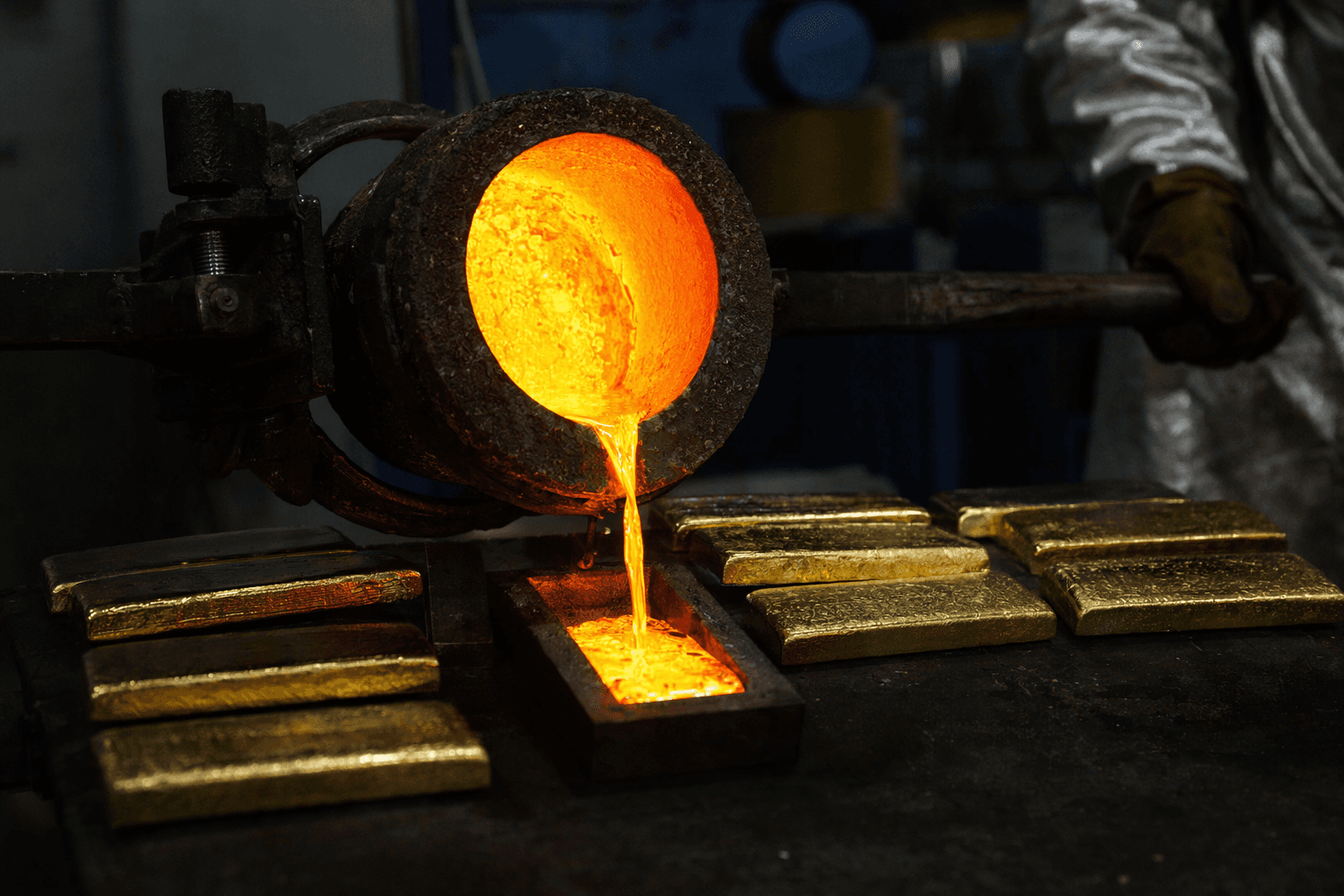
The Texas supplier sent the blended gold to Canada after relying on a contact in Mexico and paperwork from the Colombian exporter. The Mint said it had relied on the supplier’s due diligence and had not asked for more detailed origin data, a gap that left the Colombian component hidden once it was mixed with U.S. gold.
The Mint later said it would begin publishing country-of-origin data by material type and add notes when material came from blended streams, with those disclosures expected once 2025 audited data is available. That change is an admission of how little visibility buyers, refiners and official buyers can have once gold is commingled and recast into a cleaner paper trail.

The reporting traced the metal back to Antioquia, where the Clan del Golfo has ties to the gold trade, and farther into La Mandinga, an illegal mine controlled by the cartel. Miners there said they paid the group a monthly fee to work, underscoring how violence, environmental damage and money laundering can be monetized through a supply chain that looks legitimate on paper.

The same laundering pattern has also surfaced in the United States. A related investigation found cartel-tainted Colombian gold could be folded into investor-grade coins despite federal law requiring U.S.-mined gold for those bullion products. Together, the cases show a regional vulnerability: when origin rules depend on paperwork and not hard traceability, criminal gold can pass through reputable institutions in both Canada and the United States.
This article was produced by Prism’s automated news system from verified source data, official records, and press releases, then run through automated quality and moderation checks before publishing. The system is built and supervised by the people who set the standards it runs under. Read our full AI policy.
Did this article answer your question?

