ILO approves first binding global standards for gig workers
The ILO set its first binding gig-work standards, targeting pay, safety, classification and algorithmic control. For Uber and DoorDash, the real test is whether countries turn them into law.

The International Labour Organization has drawn a new line around the global gig economy, approving the first binding labor standards aimed at platform workers and setting up a direct challenge to how companies such as Uber, DoorDash, Lyft and Instacart classify and pay people who work through apps. If governments ratify and enforce the convention, platforms would face stronger expectations on wages, workplace safety, health care access, sick leave, social-security contributions and worker status.
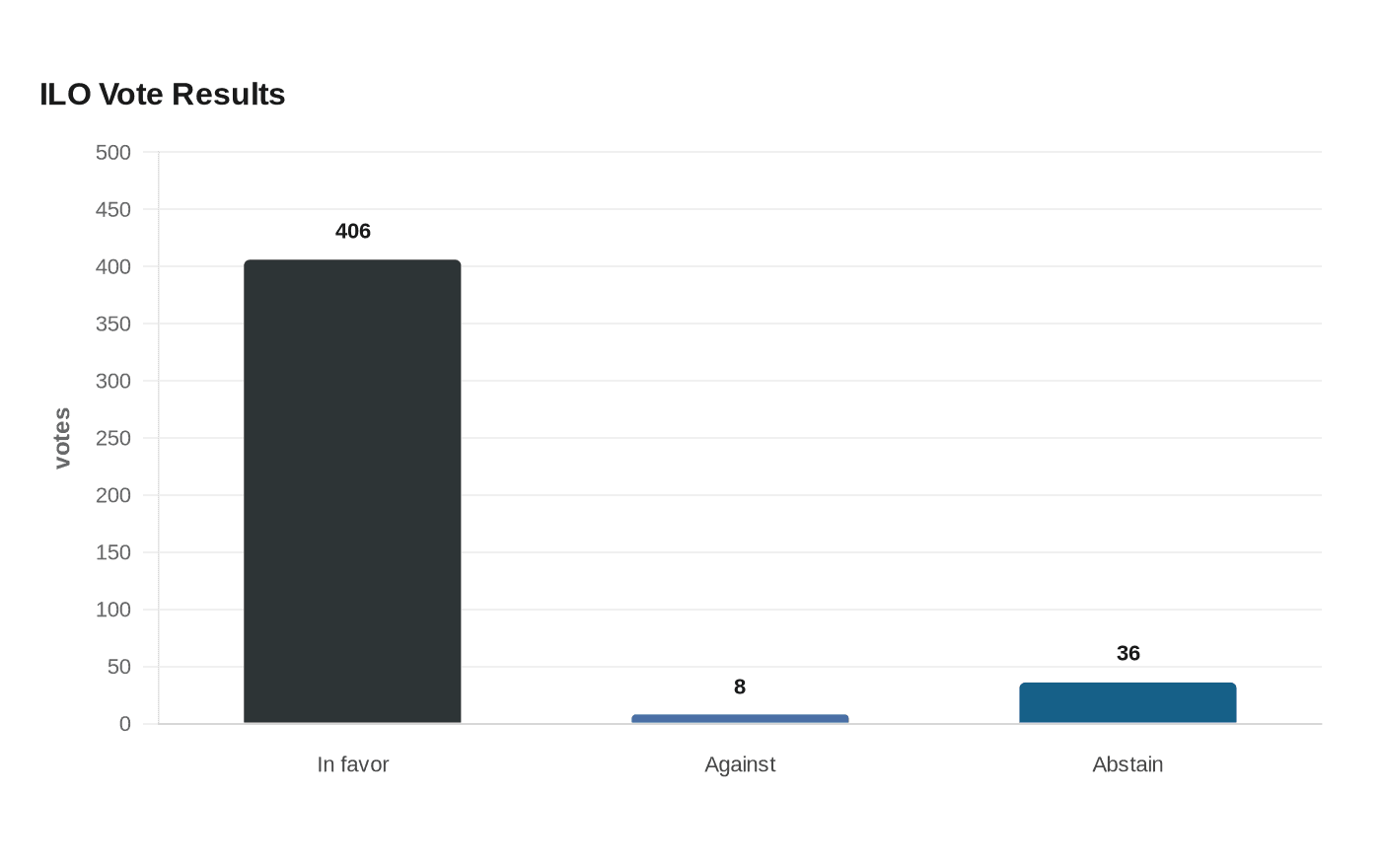
The vote at the 114th International Labour Conference in Geneva was 406 in favor, 8 against and 36 abstentions. China, Japan, Germany, France and South Africa backed the measure. The United States and New Zealand voted no, while Britain and India abstained, underscoring the divide between governments that want a tighter floor for app-based labor and those warning that one global model could be too rigid for a sector that changes quickly.

The convention, known as ILO Convention No. 193 on Decent Work in the Platform Economy, emerged from a process that began when the ILO Governing Body placed platform work on the agenda in 2023. Negotiations followed in 2025 and 2026. Under ILO rules, conventions adopted by the conference are sent to member states’ competent authorities for possible ratification within 12 months, and a ratified convention generally enters into force one year later. That means the immediate effect is political as much as legal: the standard is now on the table for lawmakers, labor regulators and judges who are already wrestling with gig-worker status.
That matters in the United States, where Human Rights Watch said platform workers surveyed for its 2025 report earned a median of $5.12 an hour after expenses, far below the federal minimum wage. Its report, The Gig Trap, examined Amazon Flex, DoorDash, Favor, Instacart, Lyft, Shipt and Uber, and found that six of the seven companies used opaque algorithms to assign jobs and determine wages. The ILO says algorithmic management, systems that use tracked data and other information to organize, assign, monitor, supervise and evaluate work, is a defining feature of digital labor platforms.
Human Rights Watch and labor advocates called the vote a milestone because it recognizes that drivers, delivery workers, cleaners and caregivers deserve clearer rights under international law. The convention also requires disclosure of how automated systems affect workers, a provision that could become especially important as ratings, scheduling tools and deactivation systems shape access to income. The European Union’s 2024 platform-work directive already moved in a similar direction on transparency, fairness, human oversight, safety and accountability. For the United States, the question is whether this new global benchmark stays symbolic or becomes a standard that pushes regulators, courts and lawmakers toward tougher domestic rules.
This article was produced by Prism’s automated news system from verified source data, official records, and press releases, then run through automated quality and moderation checks before publishing. The system is built and supervised by the people who set the standards it runs under. Read our full AI policy.
Know something we missed? Have a correction or additional information?
Submit a Tip