IMF chief warns Middle East war will cut global growth forecasts
The IMF chief said the Middle East war will force a cut in global growth forecasts and keep inflation risks alive even if a fragile ceasefire holds.
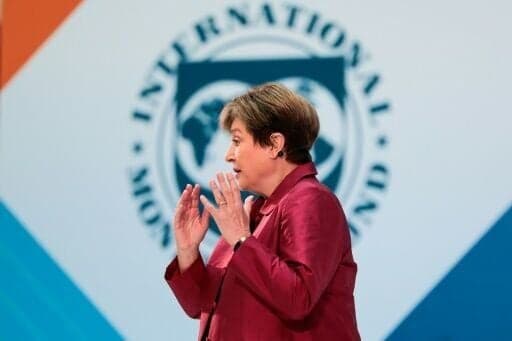
The International Monetary Fund is preparing to lower its global growth outlook as the Middle East war sends another shock through energy markets, trade and confidence, Kristalina Georgieva said in an interview on Face the Nation with Margaret Brennan.
Georgieva, who leads the IMF, said the conflict’s damage would outlast any brief pause in fighting. Even if a fragile ceasefire held, she warned, the war would leave “scarring effects” on the world economy, a sign the Fund sees more than a temporary disruption at work.
Her warning matters well beyond the region. For the United States, a prolonged energy shock can keep inflation sticky just as demand weakens, complicating the Federal Reserve’s path on interest rates and leaving borrowing costs higher for longer. That combination raises pressure on households, companies and federal finances at a moment when debt service is already expensive.
The IMF had projected in January that global growth would reach 3.3 percent in 2026 and 3.2 percent in 2027. Georgieva said those estimates would be revised lower when the Fund releases its April 2026 World Economic Outlook on April 14, just as IMF and World Bank officials gather in Washington for their spring meetings.
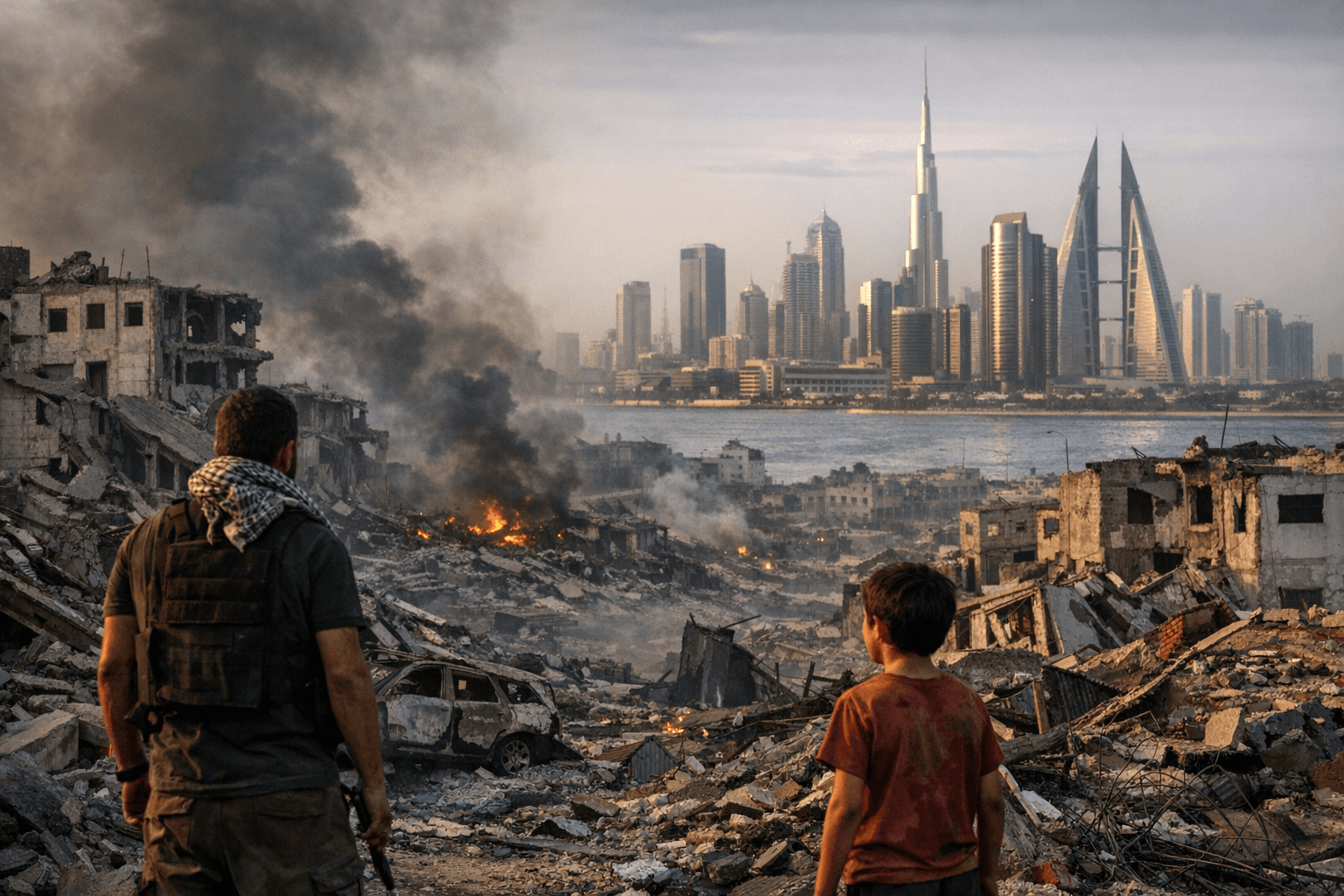
The size of the spillover is already large enough to strain the Fund’s emergency lending capacity. Near-term demand for IMF financial support is expected to rise to between $20 billion and $50 billion as countries feel the effects of higher energy costs, weaker trade and market volatility tied to the war.
Georgieva also said central banks would need to balance the risk of energy-driven inflation against weakening demand if price shocks persist. That warning lands at a delicate point for policy makers trying to avoid either reigniting inflation or pushing economies closer to recession.
CBS scheduled Georgieva’s interview alongside a broader April 12 lineup that included Israeli Ambassador Michael Leiter, Sen. Mark Warner, Rep. Mike Turner and CBS polling director Anthony Salvanto, underscoring how closely the war’s economic fallout is now tied to U.S. national security and domestic policy debates.
This article was produced by Prism’s automated news system from verified source data, official records, and press releases, then run through automated quality and moderation checks before publishing. The system is built and supervised by the people who set the standards it runs under. Read our full AI policy.
Did this article answer your question?

