IMF says Nigeria has unrecorded spending equal to 2% of GDP
Nigeria has about 2% of GDP in spending missing from official records, widening the gap between its reported deficit and the cash the government actually needs.
Nigeria has about 2% of GDP in public spending that is not captured in recent official budgets, a gap IMF resident representative Christian Ebeke said distorts the country’s reported deficit and the cash the government actually needs to borrow. Ebeke made the remarks in Lagos on July 1, saying the missing outlays were tied partly to large government projects handled off-budget and partly to capital spending that never made it into budget documents or implementation reports.
The discrepancy matters because it leaves the Federal Government of Nigeria with one figure on paper and another in practice. Ebeke said the statistical gap should disappear once the missing expenditure is properly recorded, but the problem exposes how much spending can sit outside the line of sight of lawmakers, markets and the public when project execution is not fully reflected in the official record.
That gap has direct implications for borrowing, debt sustainability and monetary policy. If spending is understated, lenders and investors may underestimate financing needs, while policymakers could be working from an incomplete view of the true deficit. In a country already watched closely for inflation pressure, currency strain and rising debt service, even a mismatch equal to 2% of GDP is large enough to affect confidence in the numbers that frame fiscal decisions.
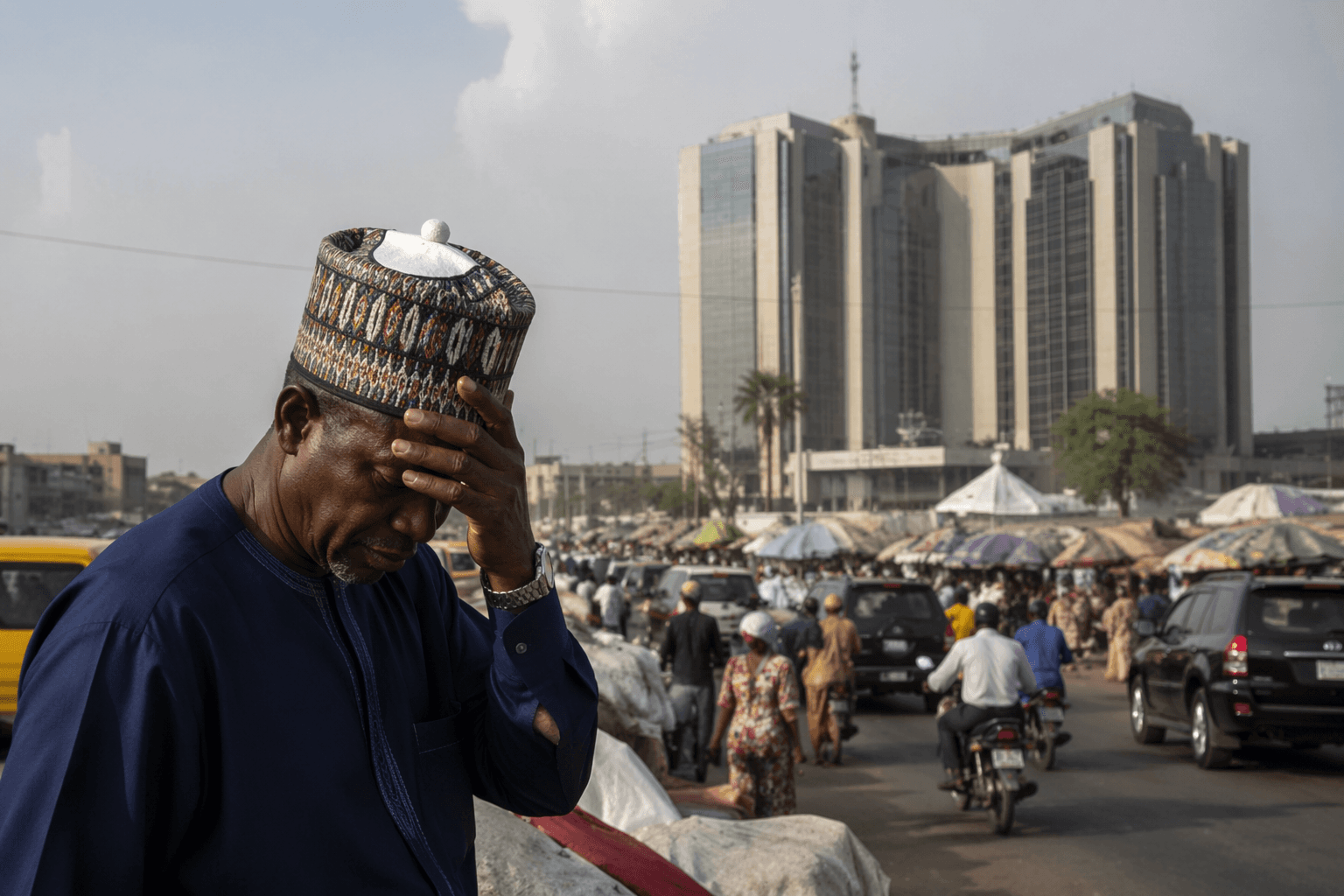
The issue lands at a sensitive moment for Nigeria’s budget process. President Bola Ahmed Tinubu signed the 2026 Appropriation Bill on April 17, 2026, setting aggregate expenditure at 68.32 trillion, and also extended the implementation period for the 2025 budget to June 30, 2026. The Budget Office of the Federation publishes quarterly budget implementation reports, including reports for 2025, which makes the missing capital reporting more consequential for oversight and public tracking.
The IMF’s 2026 Article IV staff report expects Nigeria’s federal deficit to widen to 4.4% of GDP in 2026, from 3.5% of GDP in 2025. It also estimates inflation at 15.4% year-on-year in March 2026 and GDP growth at 4.1% for the year, figures that underline how much fiscal credibility matters as authorities try to stabilize prices and support growth.

The IMF country page lists Nigeria’s population at 242.578 million, a scale that makes the missing spending even more significant for schools, roads, power and other public priorities. The central issue is not only how much the government spends, but whether the institutions meant to record, publish and scrutinize that spending can keep pace with the scale of the budget itself.
This article was produced by Prism’s automated news system from verified source data, official records, and press releases, then run through automated quality and moderation checks before publishing. The system is built and supervised by the people who set the standards it runs under. Read our full AI policy.
Did this article answer your question?


