IMF’s Georgieva urges nations to plan for unthinkable shocks
IMF managing director Kristalina Georgieva warned in Tokyo that repeated shocks threaten growth and urged countries to rebuild fiscal buffers and prepare for energy and trade volatility.
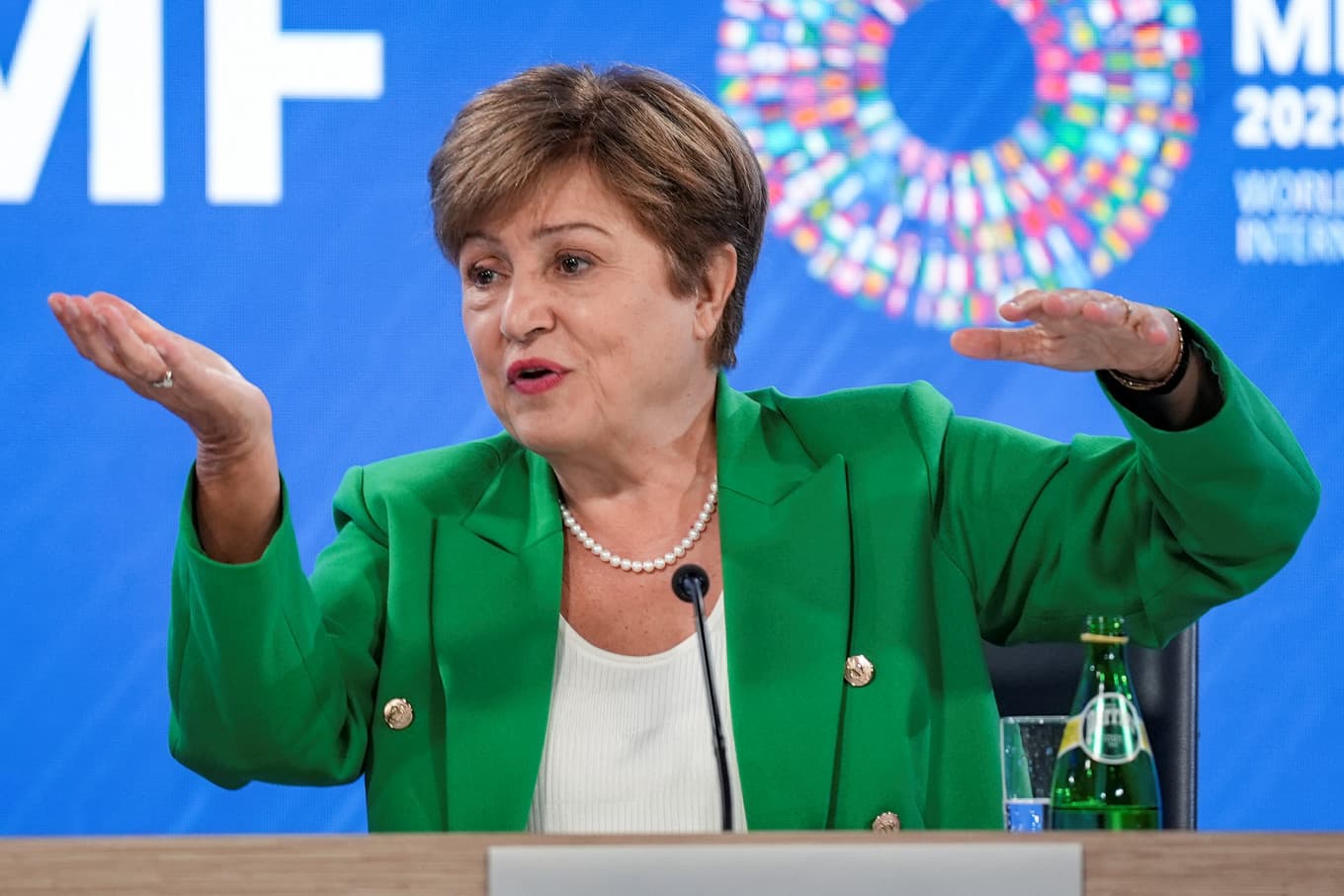
Kristalina Georgieva, managing director of the International Monetary Fund, used a Tokyo keynote to press governments to prepare for a new era of frequent, unpredictable economic shocks and to rebuild fiscal space that she says has been largely exhausted. Speaking at a symposium hosted by Japan’s Ministry of Finance, she framed the risk as immediate: geopolitical flareups, energy price swings and fractured trade flows can reverberate quickly through markets and supply chains.
Georgieva reiterated warnings she has made across recent appearances, saying at an Asia conference in Bangkok that, "We are in a world of more frequent, more unexpected shocks." She flagged the Middle East conflict as an active example, noting in Bangkok that, "This conflict, if it proves to be more prolonged, has obvious potential to affect global energy prices, market sentiment, growth, and inflation, placing new demands on policymakers." The IMF, she said there, is quantifying those ramifications and will fold the analysis into the World Economic Outlook to be published in April.
Her policy message was blunt. In an interview with Business Today she said conversationally, "we exhausted buffers. We have to rebuild them," warning that repeated crises have left many governments with high debt and limited room to respond. That loss of fiscal headroom matters for poorer countries most, she added: when wealthy nations cannot mount big rescue packages, smaller and poorer economies bear the brunt and global solidarity weakens.
Georgieva also spelled out the mechanics of how an energy shock could reassert inflationary pressure. In a Bloomberg interview she noted a sustained 10 percent rise in energy prices could lift inflation by about 40 basis points and shave roughly 0.1 to 0.2 percentage points off growth if it persisted for a year. That combination of stickier inflation and slower growth would complicate policy choices for central banks and governments already balancing high rates and fragile recoveries.
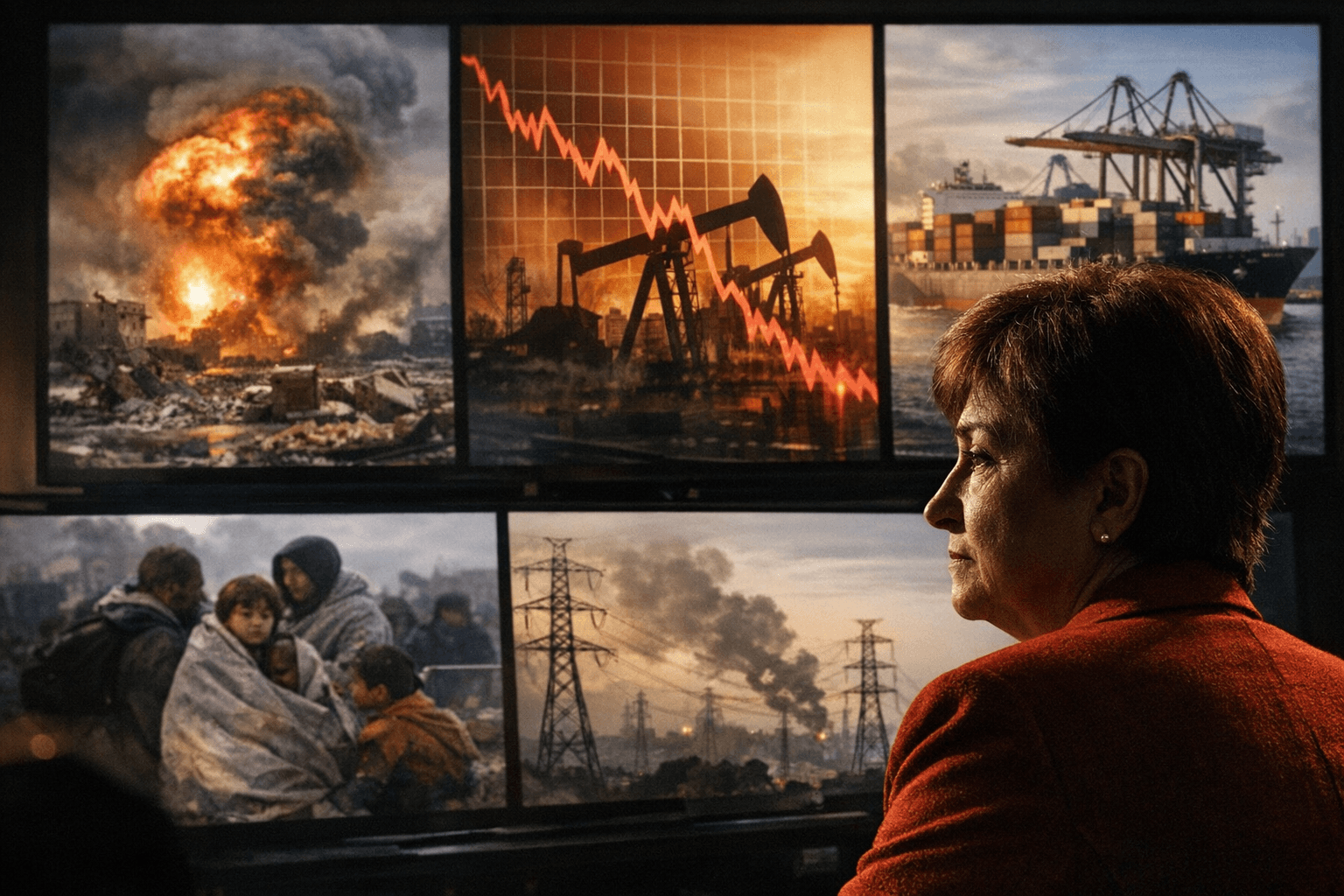
The IMF head cautioned that trade policy and tariff shifts add another channel of disruption. At a Milken Institute event she told audiences to "buckle up" and called uncertainty the new normal. She warned that tariff turmoil risks spillovers, including a possible second round of tariff hikes if redirected goods flood other markets, and urged advanced economies to address fiscal imbalances and encourage household saving.
Those warnings come against a backdrop of modest near-term growth. The IMF revised global growth projections in January to 3.3 percent for 2026 and 3.2 percent for 2027, figures Georgieva cited to underscore limited momentum even before fresh shocks. She praised Asia for rebuilding institutions and external buffers since the late 1990s but said the region must still brace for "repetitive shocks" from disruptive technology, geopolitics and trade frictions.
Market and policy implications are clear: authorities face a narrower set of options when shocks arrive, and the distributional fallout will be asymmetric. Governments with stronger balance sheets and deeper bond markets can act, but many cannot. Georgieva used Tokyo to push a concrete agenda: rebuild fiscal buffers, shore up energy security and reinforce international cooperation so that the next shock does not become a wider economic catastrophe.
Know something we missed? Have a correction or additional information?
Submit a Tip