Immigrants and the internet turned soccer into a U.S. force
Soccer became American by traveling through immigrant neighborhoods, then through cable, streaming, and social media. Its rise now mirrors the country’s changing demographics.
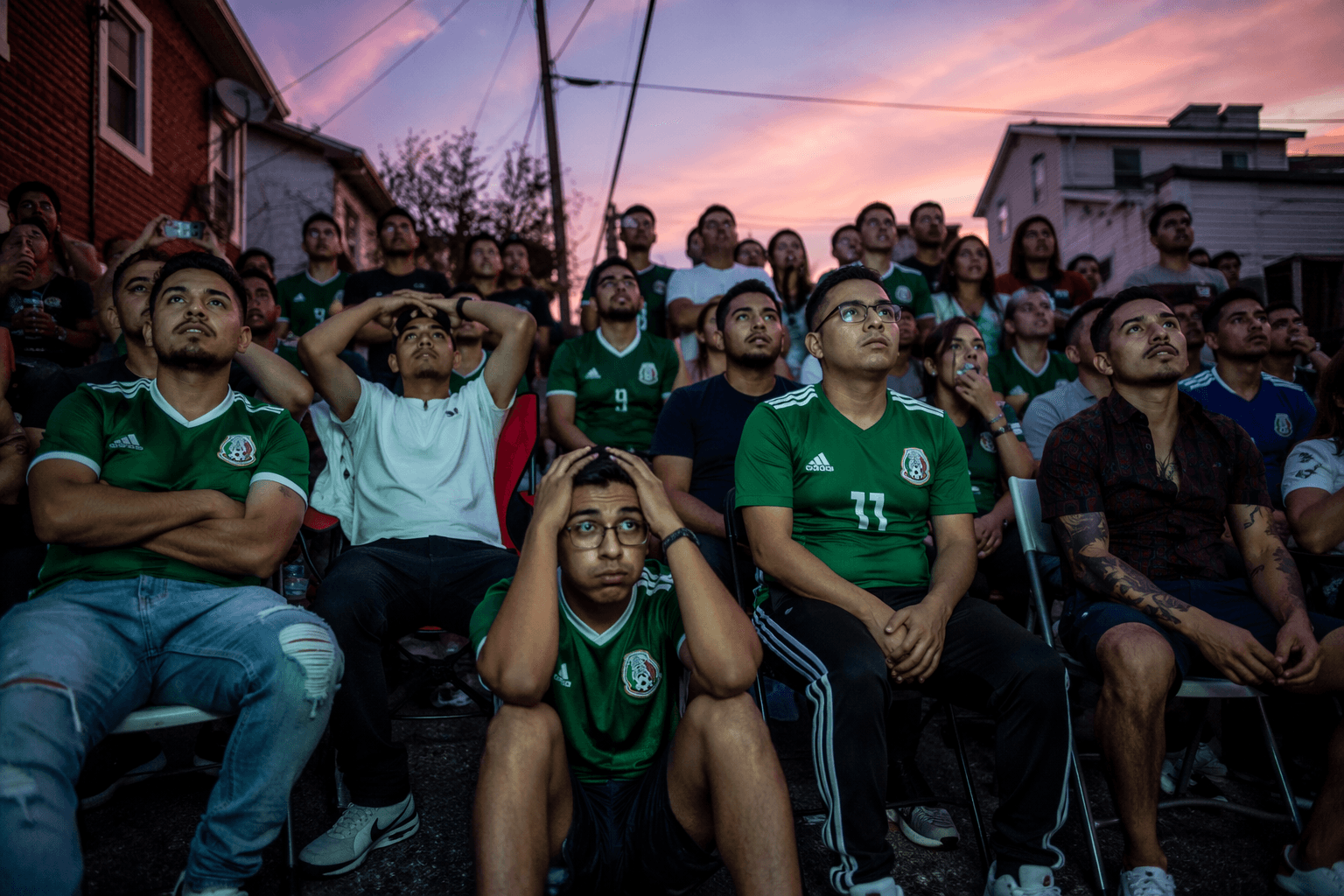
Soccer did not become an American force by accident. It moved through immigrant neighborhoods first, then through cable television, the internet, and a younger generation that treated the world game as part of everyday life. What was once a niche sport in the United States has become a visible marker of how the country sees itself: more global, more diverse, and more connected than the old sports hierarchy ever assumed.
From immigrant neighborhoods to the mainstream
The earliest American soccer culture took root in working-class immigrant communities, especially in the late 1800s, when the sport was strongest in ethnic neighborhoods rather than in the center of mainstream athletics. Some histories push the game’s modern U.S. presence back to the 1850s, with immigrant communities in New Orleans among its early anchors. That origin story matters because it shows soccer entering the country through people, not marketing.
For decades, baseball and other American pastimes dominated the public imagination. Soccer persisted through local clubs, leagues, and the transatlantic ties that kept fans connected to a broader world of play. Even before the sport became visible on television, it already had a social base in communities that saw the game as a link to home, language, and identity.
The 1994 World Cup changed the scale
The most important break in soccer’s American trajectory came when the United States hosted the 1994 FIFA World Cup. U.S. Soccer says the tournament drew a cumulative attendance of 3,587,538 across 52 matches, with average attendance of 68,991, a level of demand that stunned many observers at the time. The National Soccer Hall of Fame says it remains the most attended FIFA World Cup in history, and that legacy helped give the sport a credibility it had long lacked in the U.S.
That tournament did more than fill stadiums. It created a proof point for investors, broadcasters, and future fans that soccer could command a national audience. Major League Soccer launched in 1996, two years after the World Cup, and the league became the most visible domestic expression of the sport’s new ambitions. In economic terms, the 1994 event reduced the perceived risk of treating soccer as a serious business in the American market.
Cable, the internet, and the global fan base
If 1994 gave soccer legitimacy, the internet gave it intimacy. Cable television first made it possible for American fans to follow the Premier League, the Champions League, and other global soccer cultures from afar. Then social media and streaming removed the old gatekeepers entirely, allowing fans to watch highlights, follow clubs in real time, and build identities around teams thousands of miles away.
That shift changed how Americans consume sports. Soccer fandom became less tied to geography and more tied to algorithmic feeds, group chats, and constant access to matches, clips, and commentary. It also changed youth sports culture, where children and parents increasingly saw the game not as a novelty but as part of a larger international ecosystem, one that sat alongside local leagues and U.S. teams instead of beneath them.
Immigration kept widening the audience
Soccer’s growth has tracked the United States’ demographic change. As immigrant populations from Latin America, Africa, and Asia grew, so did the sport’s cultural footprint, deepening its place in households, neighborhoods, and schools. That expansion was not just about numbers; it was about the transmission of habits, memories, and loyalties that made soccer feel familiar rather than imported.
The result is a sport that now reflects multiple versions of American life at once. In one home, it may be tied to a family’s country of origin and the rhythms of overseas leagues. In another, it may be a child’s first organized sport, learned through local clubs and weekend tournaments. Soccer became mainstream partly because it could accommodate both realities without forcing either one to disappear.
A bigger American sports business
The sport’s commercial growth now matches its cultural reach. Major League Soccer said the 2024 regular season produced record attendance in the league’s 30-year history, with more fans in the United States and Canada attending MLS matches than ever before. Broader attendance data also showed packed stadiums and record crowds in markets such as Atlanta, Charlotte, Seattle, and elsewhere, signaling that soccer is not confined to a few coastal enclaves.
That matters for the business of sports. Strong attendance is a sign of durable demand, but it also suggests a deeper change in how Americans assign status to live events. Soccer is no longer merely an alternative to traditional U.S. sports; in many cities, it is becoming a pillar of the local entertainment economy, with fan identity, ticket sales, and media consumption reinforcing one another.
Why 2026 is the next test
The next major milestone is already visible. The United States will co-host the 2026 FIFA World Cup with Mexico and Canada, giving the country another chance to show how far the sport has come. The symbolism is powerful: the nation that once imported soccer through immigrant communities now helps stage the game’s biggest event on home soil.
That is why soccer’s American rise is best understood as more than a sports story. It is a story about migration, technology, and generational turnover, and about how a country that long defined itself through baseball and basketball now makes room for a global game in its own image.
This article was produced by Prism’s automated news system from verified source data, official records, and press releases, then run through automated quality and moderation checks before publishing. The system is built and supervised by the people who set the standards it runs under. Read our full AI policy.
Know something we missed? Have a correction or additional information?
Submit a Tip