Imperagen raises £5 million to speed enzyme design with AI and robotics
Imperagen said its platform can screen millions of enzyme variants before lab tests, a pitch that helped it secure a £5 million seed round and a new CEO.
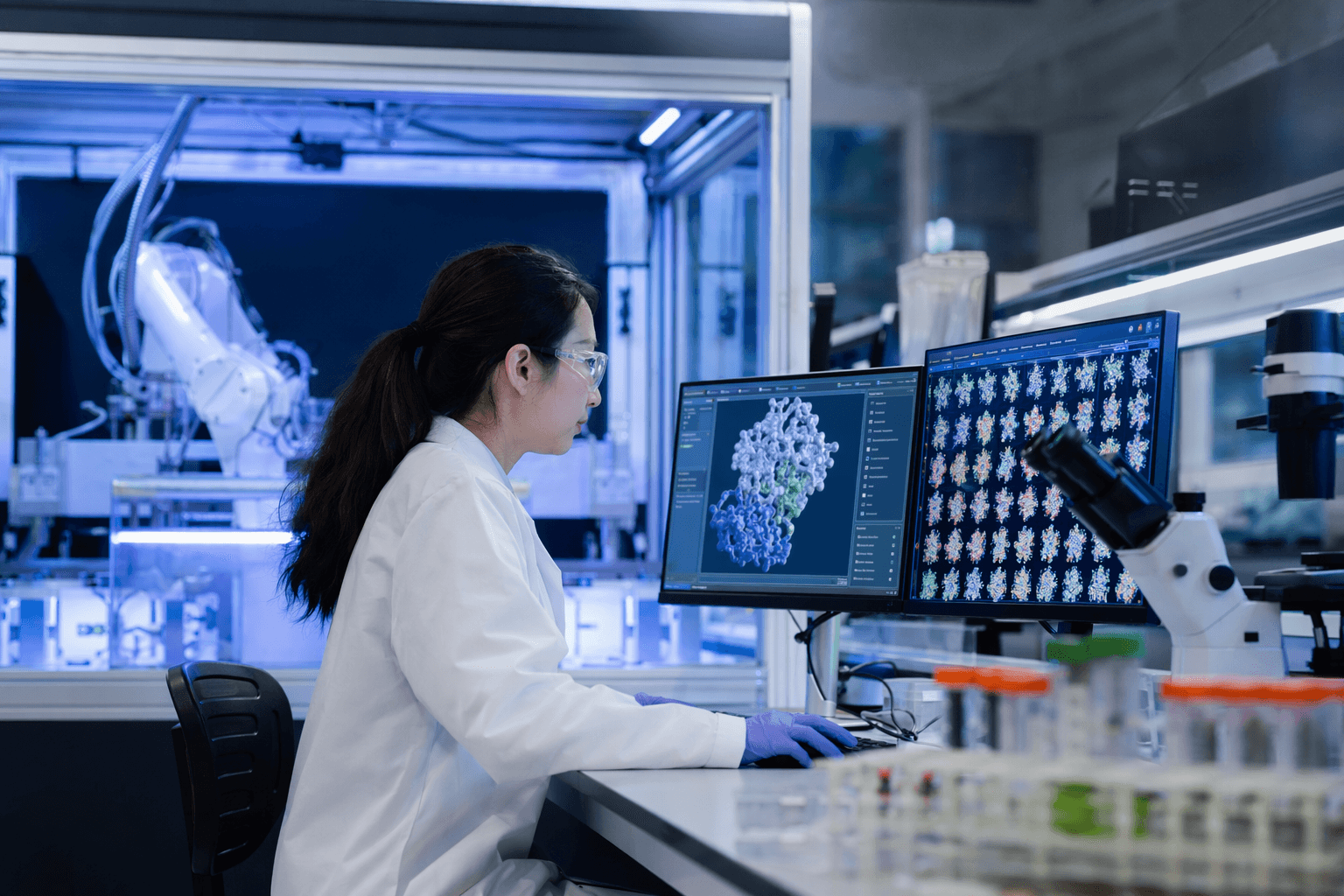
Imperagen secured £5 million, or $6.7 million, in new seed funding as it pushed its case that enzyme engineering can be made faster, cheaper and more predictable with a mix of quantum physics, AI and lab automation. The Manchester-based techbio company said PXN Ventures led the round, with participation from IQ Capital and Northern Gritstone, and that Guy Levy-Yurista will take over as chief executive.
The company, founded in 2021 by Dr. Andrew Currin, Dr. Tim Eyes and Dr. Andy Almond after spinning out of the University of Manchester and its Manchester Institute of Biotechnology, is pitching a closed-loop workflow rather than a single breakthrough tool. Imperagen said it combines quantum physics-based simulations, custom AI models and automated robotics to scan millions of mutation combinations in silico, then uses high-throughput wet-lab testing to feed results back into the model. The aim is to replace the slow trial-and-error cycle that still dominates much of enzyme engineering.
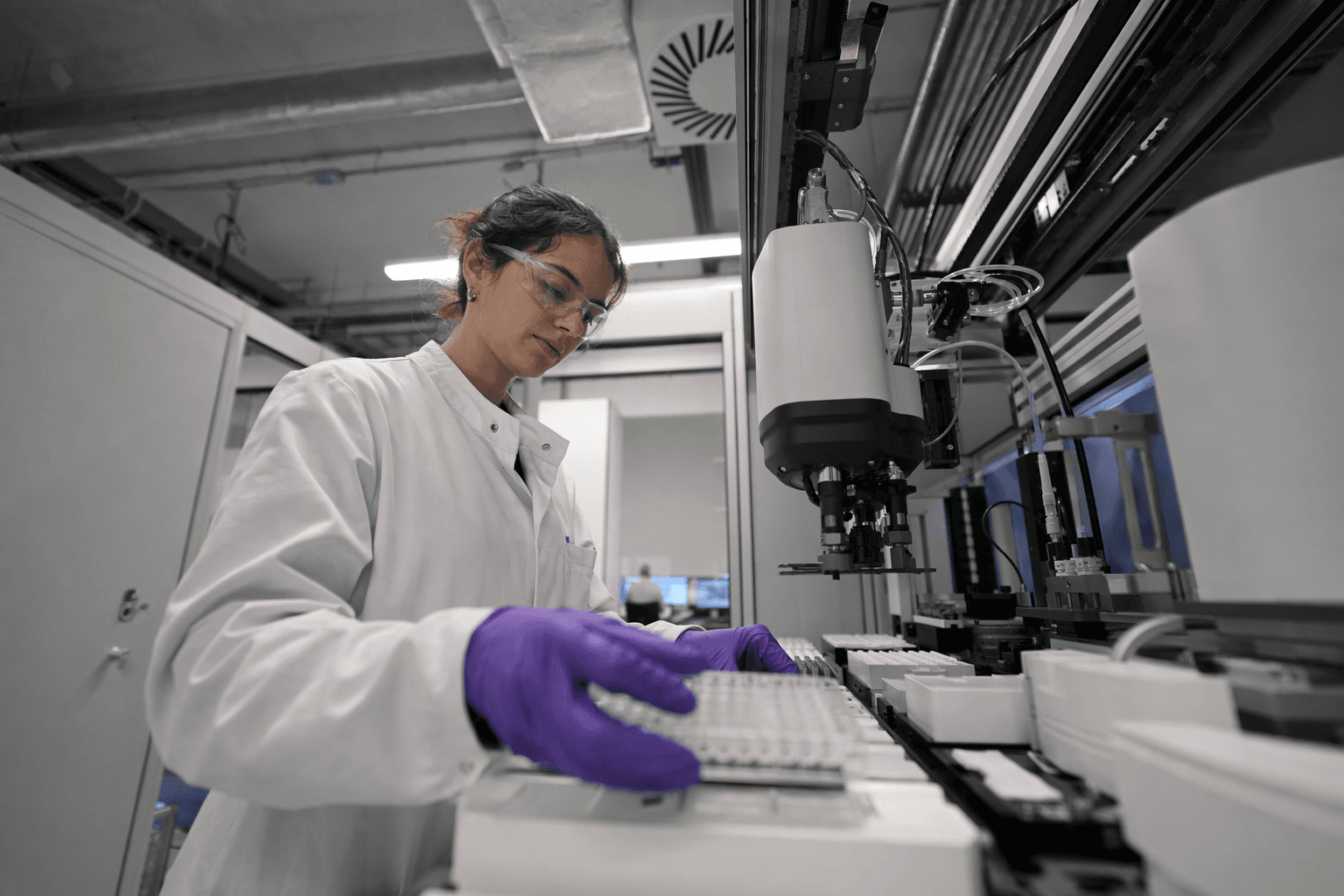
That matters because the bottleneck in industrial biotechnology is not a shortage of ideas, but the sheer number of possible protein changes that have to be tested before a better catalyst emerges. Imperagen said its platform is enzyme-class agnostic and can be used for enzymes that can be expressed and tested in E. coli, a practical constraint that keeps the system tied to real lab workflows rather than abstract modeling alone. The company says the target market includes pharmaceuticals, sustainable chemical production and other manufacturing uses.
Imperagen has also begun to frame the commercial case with performance data. The company said it achieved a 10-fold increase in enzyme productivity in two engineering cycles in one partnership, and has pointed to a separate program in which it said productivity improved in 12 weeks across three iterations. In other work, Imperagen said two target enzymes were improved by 677-fold and 572-fold over five cycles for a Fortune 500 personal care company, while another project lifted enzyme performance by more than 500 times in five development cycles.
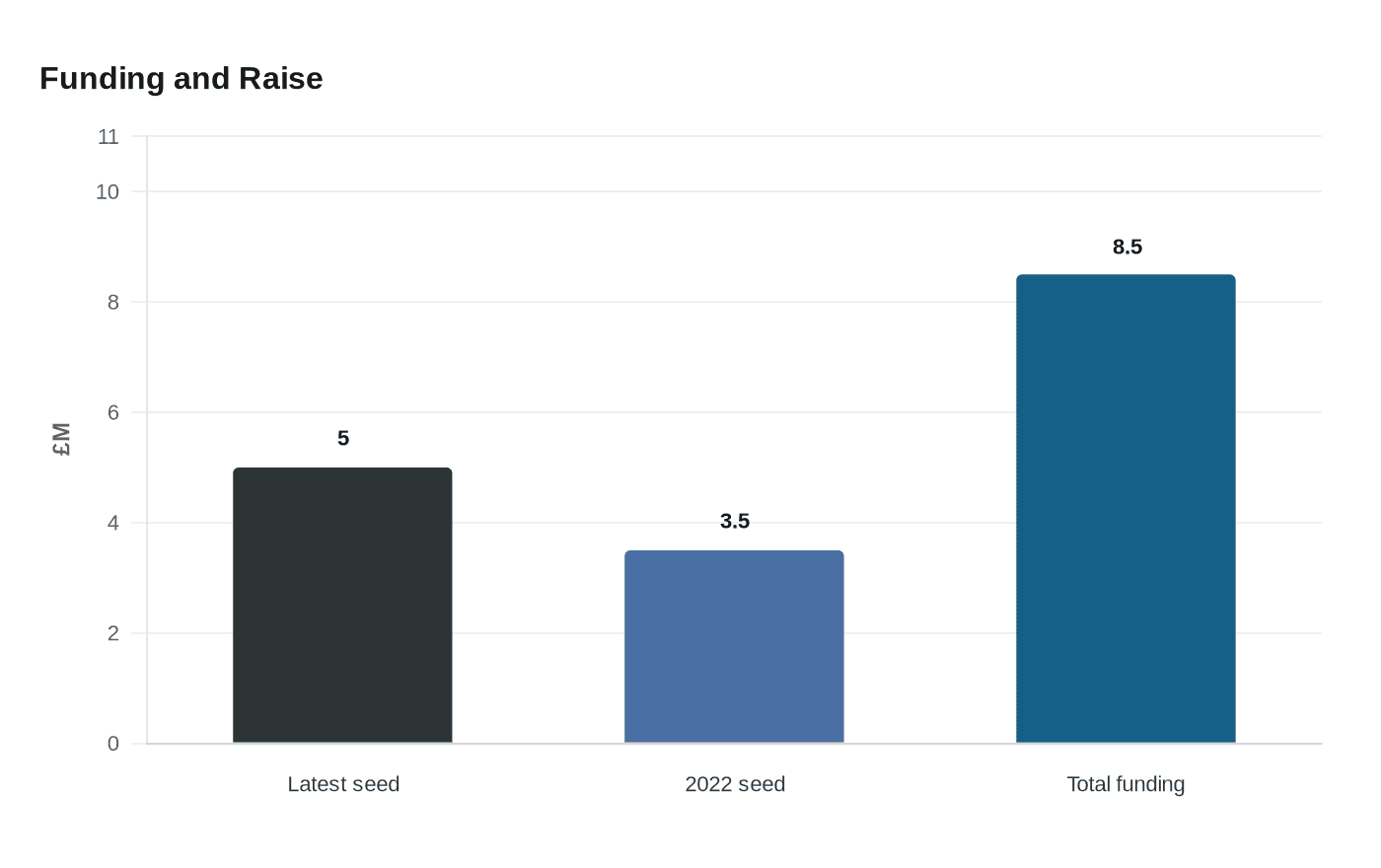
The fresh round builds on earlier backing from Northern Gritstone and IQ Capital, which led Imperagen’s £3.5 million seed round in August 2022. One estimate puts the company’s total funding at about £8.5 million after the latest raise. For investors, the draw is clear: if Imperagen’s system can reliably compress the design cycle for enzymes, it could turn a labor-intensive niche of industrial chemistry into a more scalable engineering process, where the value lies less in quantum branding than in whether the platform can consistently deliver better catalysts in fewer cycles.
Know something we missed? Have a correction or additional information?
Submit a Tip