SpaceX prepares first Starship Block 3 launch from Starbase pad 2
SpaceX’s Block 3 debut at Starbase was designed to prove more than liftoff: new fins, new heat shielding and Starlink payload tests marked the real check.
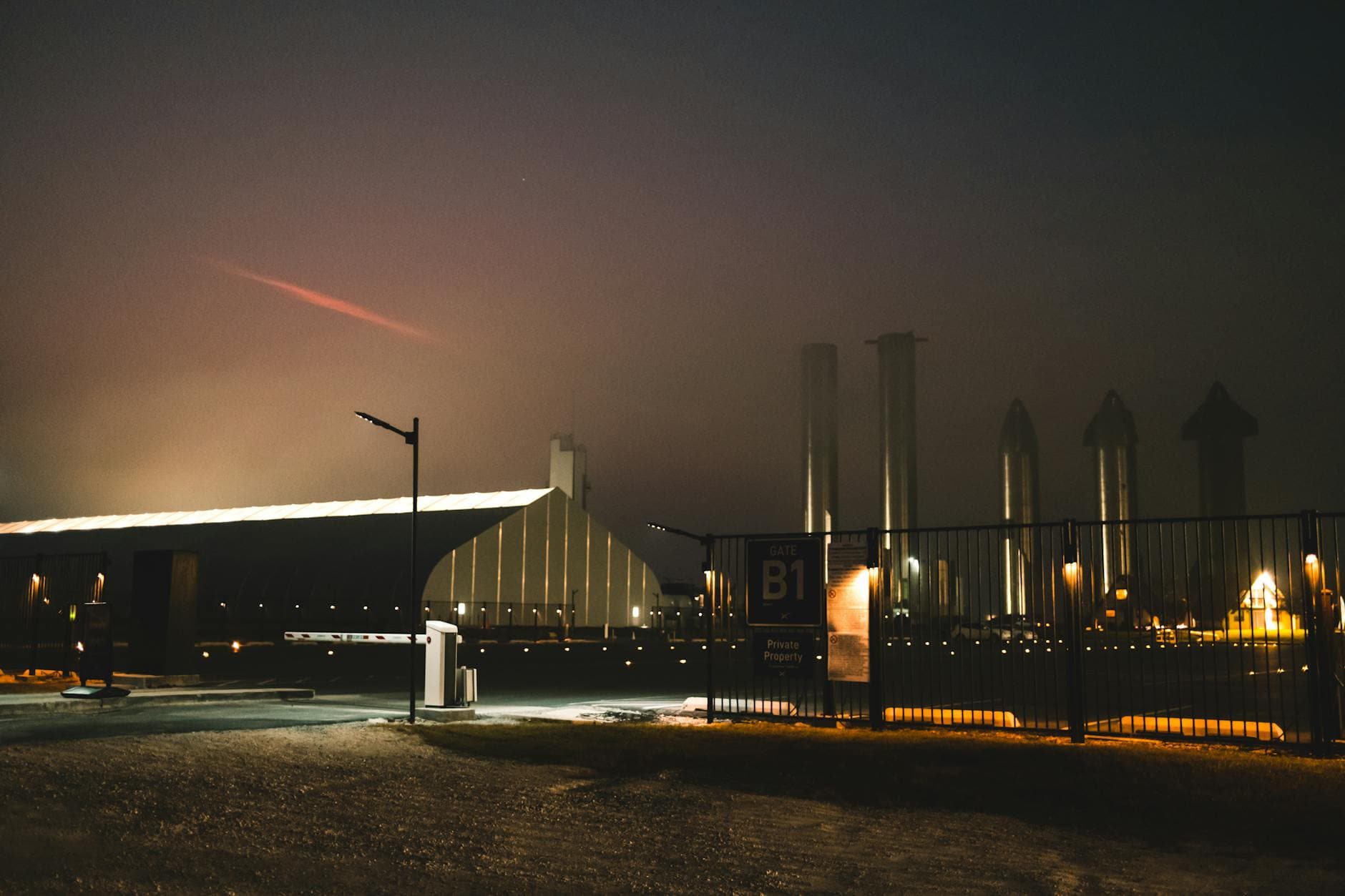
SpaceX’s first Block 3 Starship flight was more than a launch date on the calendar. It was the company’s attempt to show that a redesigned rocket, a redesigned booster and a redesigned pad could finally turn years of explosive setbacks into a system that performs the way SpaceX says it should.
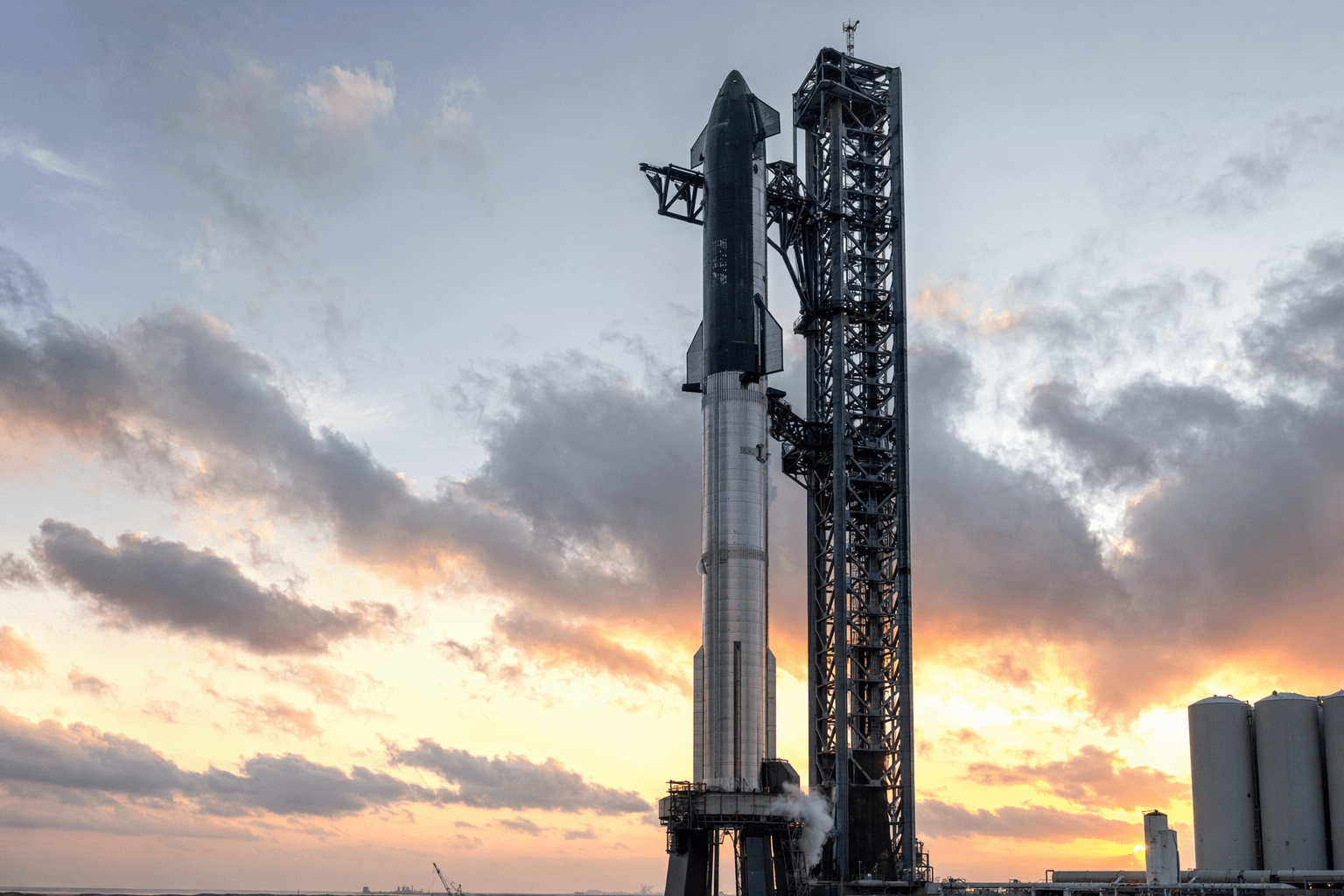
Flight 12 was the debut of SpaceX’s third-generation Starship and Super Heavy system, lifting from Starbase in South Texas, at the company’s new Pad 2 at Boca Chica, Texas. The launch window opened at 5:30 p.m. CT, and SpaceX said its webcast would begin about 45 minutes before liftoff. The vehicle stands 124 meters, or 407 feet, tall and 9 meters, or 29.5 feet, in diameter. SpaceX says it is the world’s most powerful launch vehicle ever developed and is built to carry more than 100 metric tonnes to orbit in a fully reusable configuration.
The engineering changes are the story. SpaceX says the upgraded Super Heavy booster uses three grid fins instead of four, and each fin is 50 percent larger and stronger. The mission also introduced a redesigned hot-stage separation system, a redesigned fuel transfer tube, and updated aft-end thermal protection and avionics integration. Those are not cosmetic refinements; they are the parts that help decide whether the rocket can separate cleanly, survive the hottest phases of flight and stay under control when the margins get thin.
That matters because Flight 12 followed a seven-month gap in Starship testing after Flight 11 on October 13, 2025. SpaceX said that earlier mission was the final flight of the second-generation Starship and first-generation Super Heavy booster, and the last launch from the old Pad 1 configuration. The new version was built to push beyond that baseline and show that the next round of hardware can handle the stresses that have repeatedly tested the program.
What would count as success on this flight went well beyond clearing the tower. The upper stage was set to deploy 20 Starlink simulators, each similar in size to next-generation Starlink V3 satellites, along with two specially modified Starlink satellites. Those satellites were meant to test hardware planned for Starlink V3 and scan Starship’s heat shield, giving SpaceX data on whether the vehicle is moving closer to future return-to-launch-site missions.
NASA has tied Starship development to Artemis III and Artemis IV, where Starship HLS is intended to land astronauts near the Moon’s south pole. The Federal Aviation Administration says Starship launches require permits or licenses and are reviewed for public safety, national security, insurance and environmental impact. For SpaceX, this flight was a proof point for Elon Musk’s broader ambitions and for whether investors can keep believing the company’s lunar and Mars timeline.
Know something we missed? Have a correction or additional information?
Submit a Tip