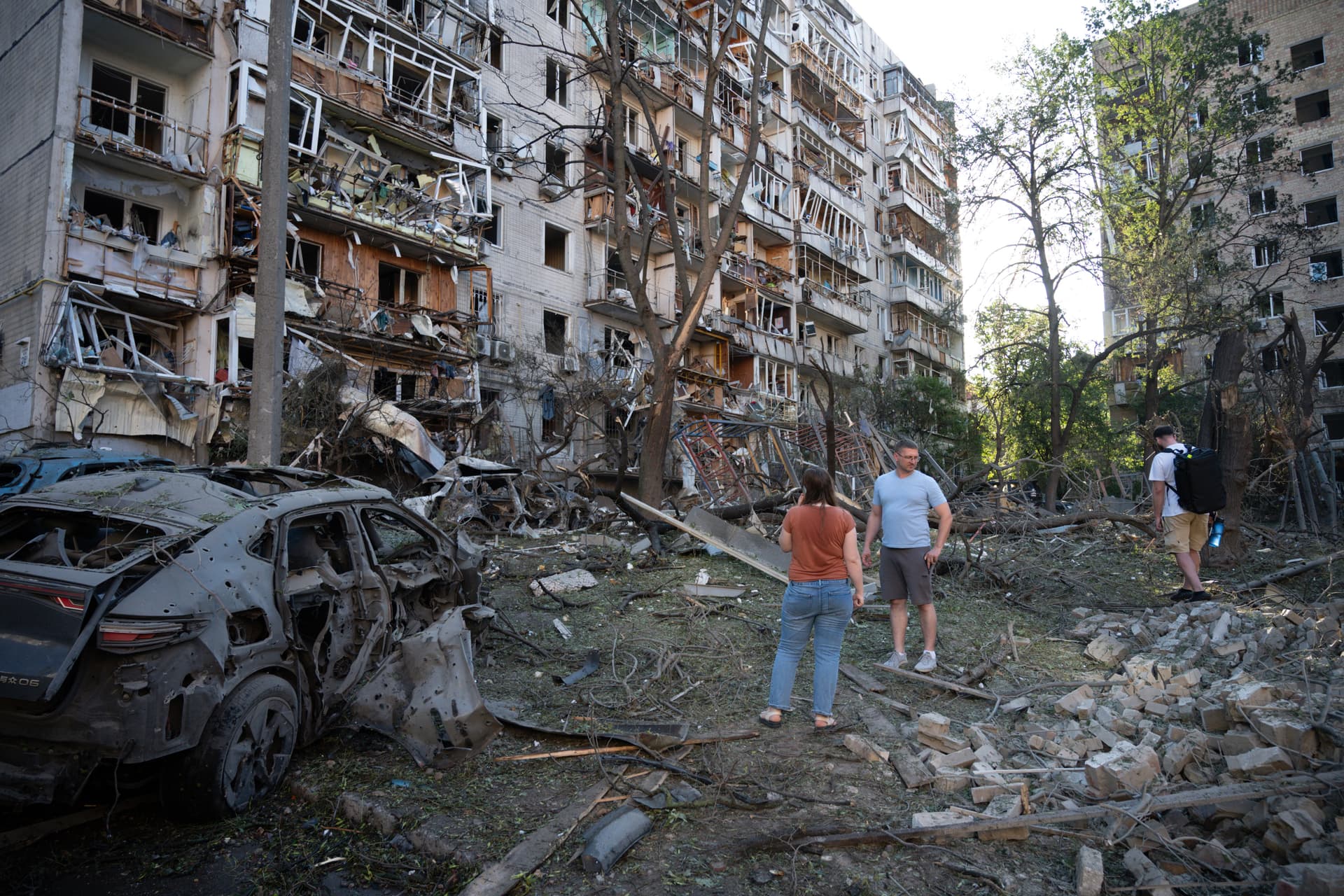
Imprisoned for exposing dissident abuse, he later confronted psychiatry’s dark past
He was jailed after saying dissident Pyotr Grigorenko was sane, then spent decades forcing psychiatry to confront its role in Soviet repression.
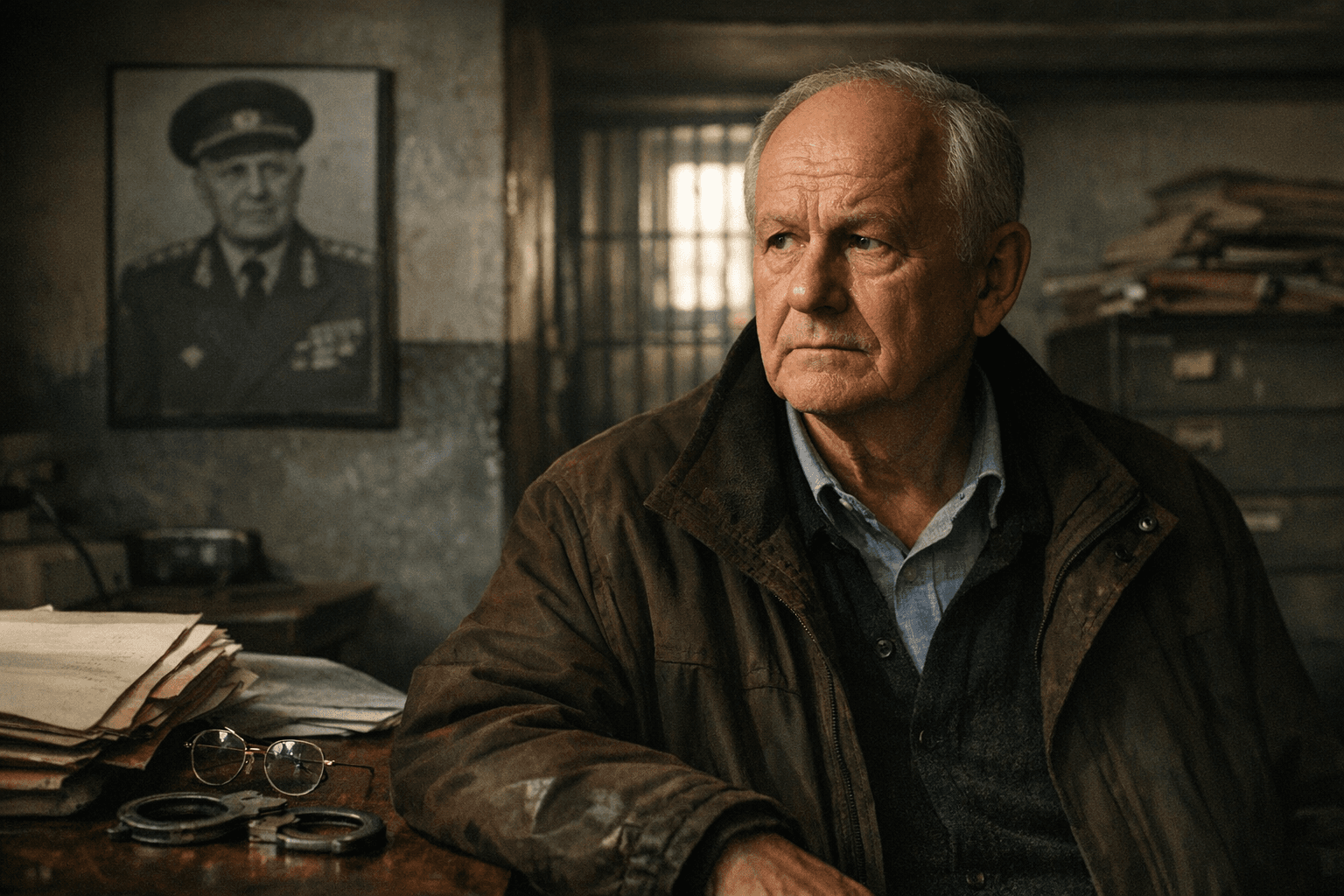
Semyon Gluzman went to prison for refusing to let the Soviet state turn diagnosis into a political weapon. After concluding that dissident General Pyotr Grigorenko was mentally sound, the young psychiatrist was punished with seven years in a labor camp and three years in internal exile.
His case became one of the clearest examples of punitive psychiatry, a system in which authorities declared critics mentally ill and confined them in special hospitals instead of answering their dissent. Under Soviet rule, medical labels were used to discredit opposition and make political defiance look like disease.
Gluzman survived that punishment and later helped drive the profession toward a reckoning with its own abuses. In Ukraine, he became a leading voice in efforts to expose how psychiatry had been bent to state power, defending victims and pressing colleagues to separate medicine from coercion.
That history still carries a warning for modern democracies. When governments, courts or security services can shape psychiatric judgments, diagnosis can become punishment by another name. Gluzman’s life shows why independent review, judicial oversight, transparent commitments and strong professional protections matter: without them, the boundary between care and repression can collapse fast.
This article was produced by Prism’s automated news system from verified source data, official records, and press releases, then run through automated quality and moderation checks before publishing. The system is built and supervised by the people who set the standards it runs under. Read our full AI policy.
Did this article answer your question?