India activist on hunger strike remains stable amid education protest
Sonam Wangchuk was stable after 21 days without food in a protest over education reform, as courts ordered doctors to watch him and intervene if he worsened.
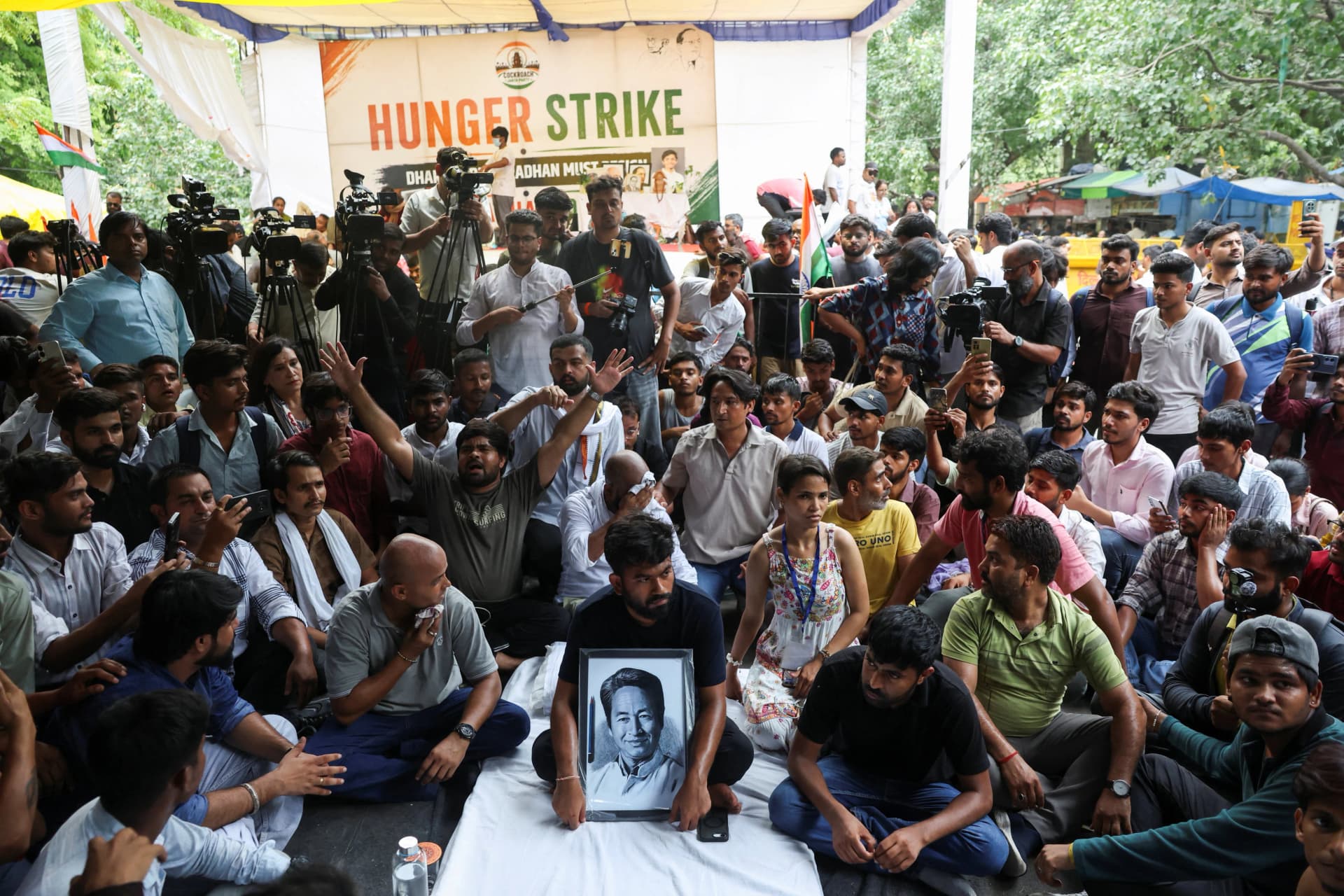
Sonam Wangchuk remained stable after 21 days on hunger strike and was shifted to a New Delhi hospital on July 18, a doctor said, after a protest over education reform and exam irregularities grew into a legal and medical standoff. The fast has become tied to demands for the resignation of federal Education Minister Dharmendra Pradhan, pushing a policy dispute from classrooms and campuses into emergency care.
Wangchuk, a prominent educator and climate activist from Ladakh, had been on a fast that moved through at least five consecutive days of mounting concern, with reports placing him at day 17, 18, 19, 20 and 21 between July 14 and July 18. The widening alarm prompted the Delhi High Court to direct the government to ensure medical monitoring and protect his life, and to order authorities to intervene if his condition worsened.
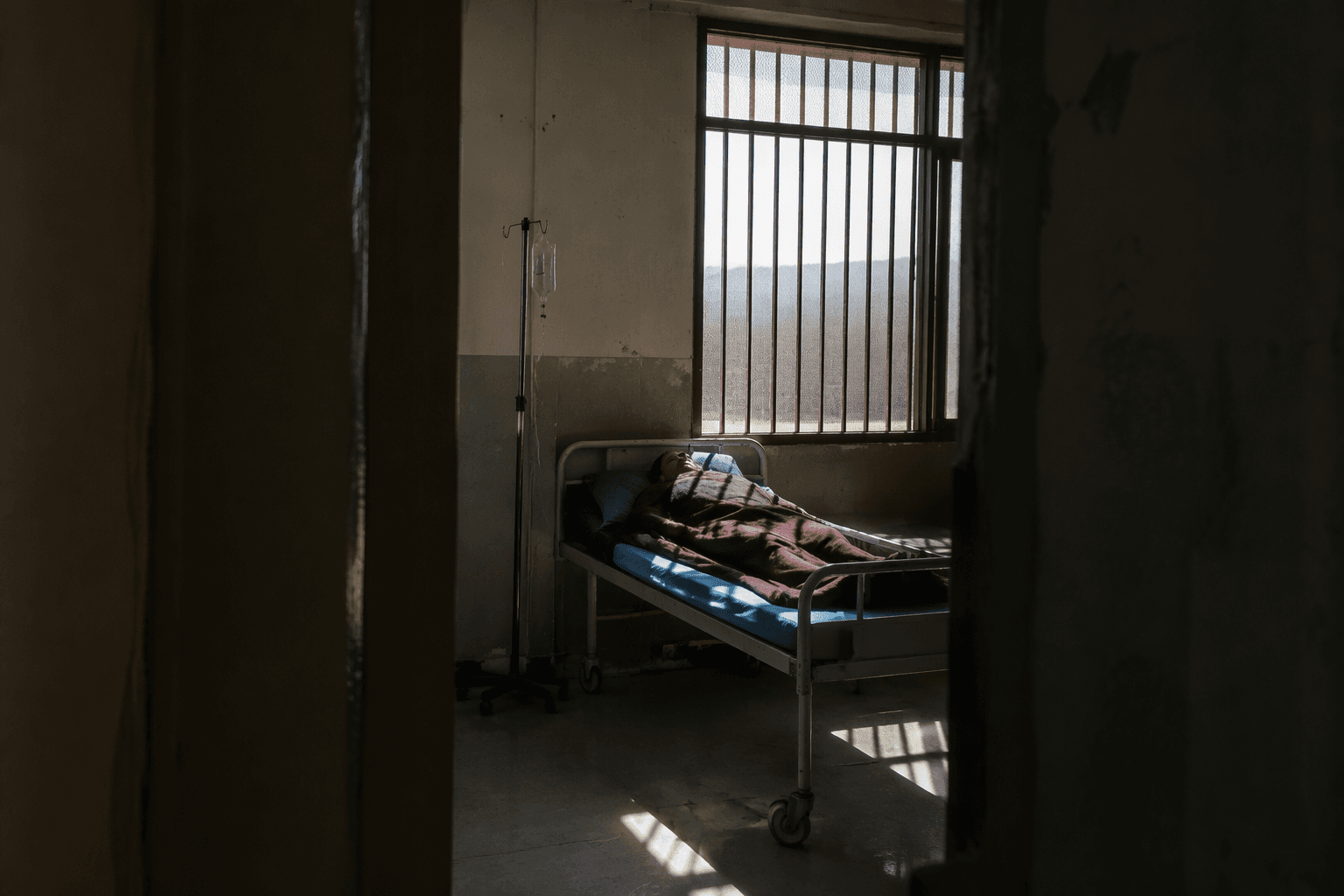
The case now sits at the intersection of public health, political pressure and judicial oversight. Hunger strikes are meant to force a response precisely because they put the protester’s body at risk, and Wangchuk’s hospitalization made that risk visible to the state. The government’s immediate choices are limited but consequential: keep him under close medical supervision, open a substantive channel on the education grievances that triggered the fast, or continue to wait while the court and doctors set the pace of the response.
Those grievances are broader than one minister’s tenure. Coverage tied the protest to complaints about education reform, exam irregularities and education mismanagement, issues that have resonance far beyond Ladakh. In a region where Wangchuk has long been associated with autonomy campaigns, the fast has also tapped into older frustrations over how the center handles local demands. In March 2024, his hunger strike for Ladakh autonomy drew thousands of supporters, showing that his protests can quickly become mass political events.
Wangchuk’s wife separately asked the court to move him to a private hospital and described his hospitalization as illegal detention. The court rejected a petition seeking his release from hospital, leaving him in medical care as the legal fight continued. That sequence underscores how quickly a hunger strike can shift from civil disobedience to a question of state responsibility: whether officials negotiate, wait out the protest, or risk being seen as presiding over a preventable medical crisis.
This article was produced by Prism’s automated news system from verified source data, official records, and press releases, then run through automated quality and moderation checks before publishing. The system is built and supervised by the people who set the standards it runs under. Read our full AI policy.
Did this article answer your question?