India-Africa summit postponed over Ebola outbreak in Africa
Ebola fears have pushed India and the African Union to delay a summit meant to bridge an 11-year gap, after WHO declared an international health emergency.
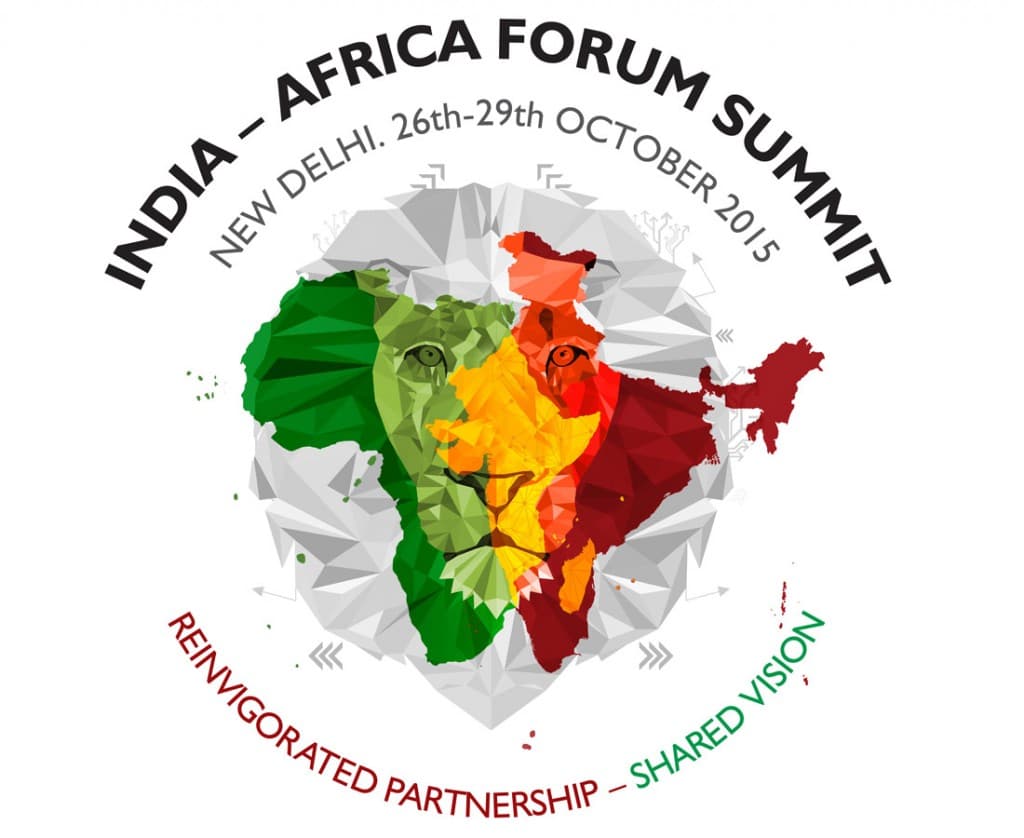
India and the African Union have postponed the Fourth India-Africa Forum Summit, a meeting that was set for New Delhi from May 28 to 31 and would have marked the first summit since 2015. The decision came after consultations with the Government of India, the African Union chairperson and the African Union Commission over what officials described as the evolving health situation in parts of Africa.
The delay turns a scheduling change into a test of diplomatic priorities. The forum was meant to gather leaders from India and Africa after an 11-year gap, following previous summits in 2008, 2011 and 2015. It has long been one of the main platforms for political, economic and public-health cooperation between the two sides, and the postponement shows how an outbreak can quickly alter the pace of summit diplomacy.
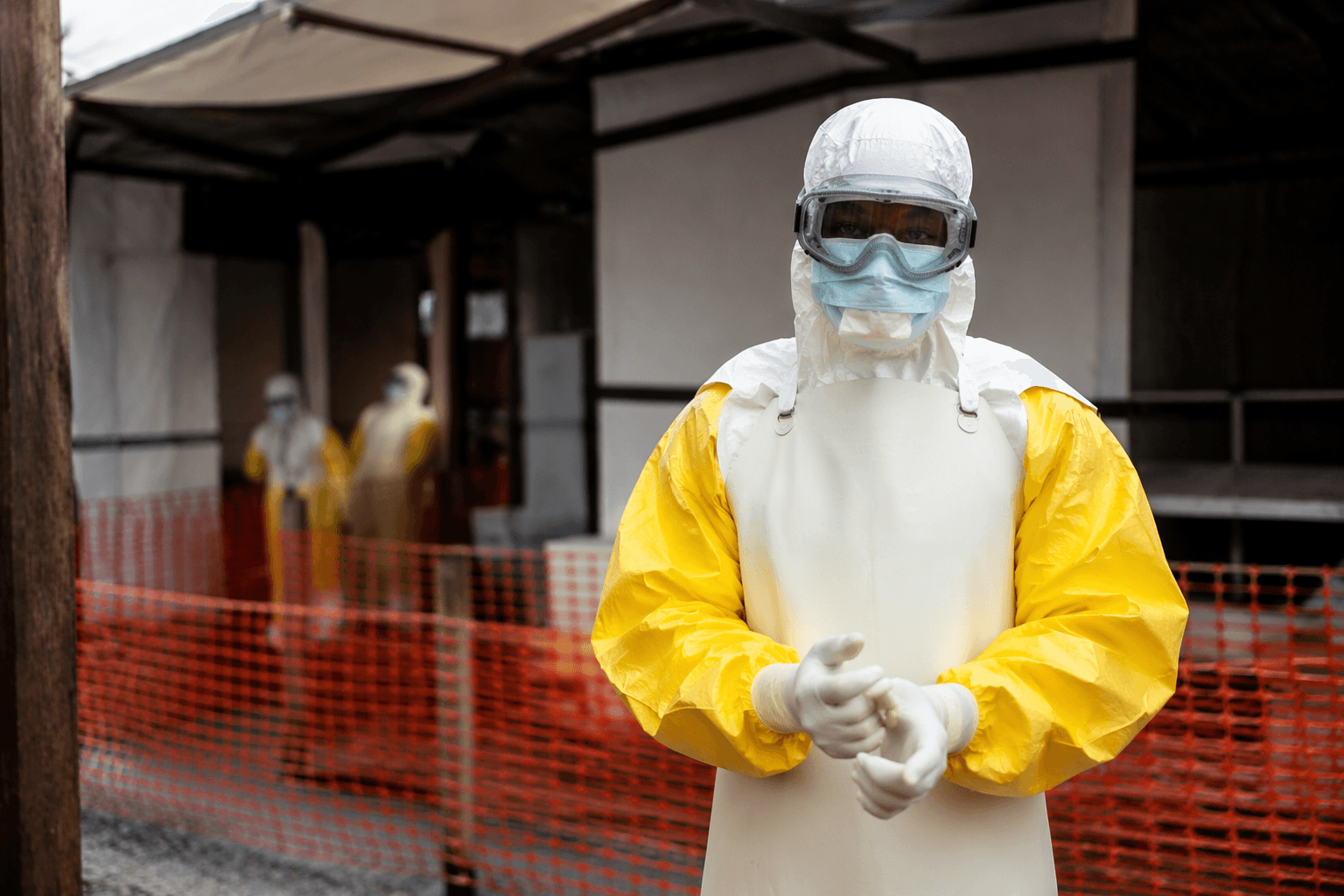
The trigger was the Ebola outbreak in the Democratic Republic of Congo and Uganda. On May 17, 2026, the World Health Organization declared the outbreak a Public Health Emergency of International Concern, citing the Bundibugyo strain of Ebola and warning that international spread had already been documented, including cases in Kampala after travel from the DRC. Reports tied to the outbreak described hundreds of suspected cases and more than 100 deaths, though the totals varied as the situation changed.
India responded with its own health advisory for passengers arriving from or transiting through Ebola-affected countries. Travelers with symptoms or a history of exposure were told to report to airport health authorities before immigration clearance, and officials said screening was being stepped up at airports. India said no Ebola cases had been detected in the country.
The summit delay reflects a broader calculation: even when no direct threat has been detected at home, public-health anxiety can reshape foreign policy and summit politics. By moving the meeting, India and the African Union signaled that full participation from African leaders and stakeholders mattered more than keeping the original calendar.

New dates will be worked out later through mutual consultations and announced in due course. For India-Africa ties, the immediate challenge is not just finding another week on the calendar, but preserving the diplomatic momentum that a rare summit was meant to restore.
This article was produced by Prism’s automated news system from verified source data, official records, and press releases, then run through automated quality and moderation checks before publishing. The system is built and supervised by the people who set the standards it runs under. Read our full AI policy.
Did this article answer your question?