India fights backlash over ethanol-blended petrol policy as anger grows
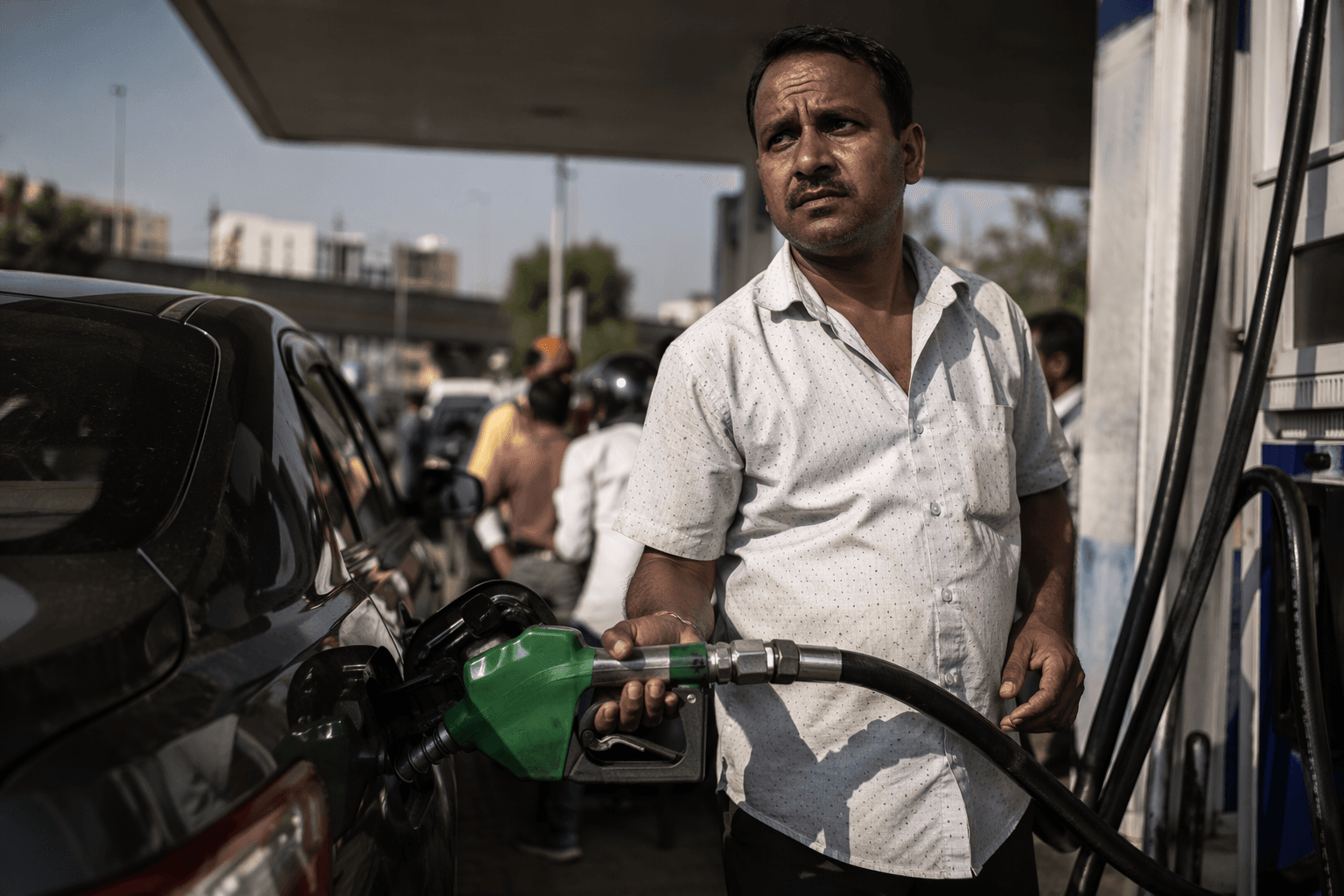
India’s E20 petrol rollout sparked anger over mileage and engine wear, forcing officials to defend a policy already fueling protest talk in New Delhi.
Attorney General R. Venkataramani told a court hearing that E20 was an “experiment” whose results would only become clear next year. India’s E20 ethanol transition has been discussed since 2018. The government called that an unfair description of the policy, even as video of the hearing spread widely online. Venkataramani later said he had been referring to the scale of ethanol supplies, not the petrol blend itself.
The government’s press office called the criticism “wild claims” and urged the public not to “fall for the rage bait.” Petroleum Minister Hardeep Singh Puri compared ethanol in ordinary fuel with motor racing, saying acceleration could rise even if mileage fell a little. Drivers continued to complain that the blend reduced fuel economy and might damage engines or other parts.
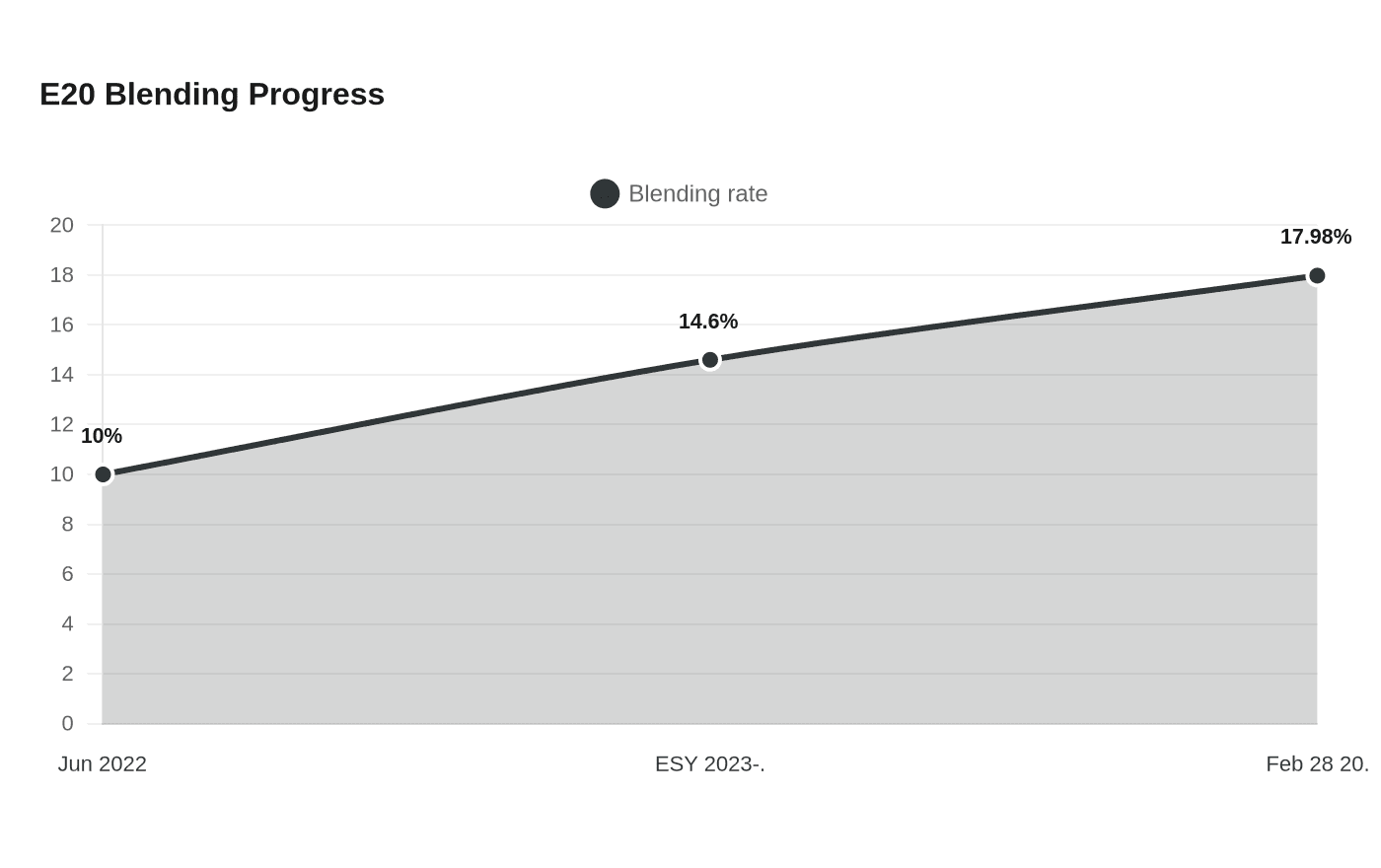
Under the National Policy on Biofuels, amended in 2022, India moved the 20% blending target from 2030 to the Ethanol Supply Year 2025-26. Public-sector oil companies reached 10% blending in June 2022, 14.60% in ESY 2023-24 and 17.98% by February 28, 2025, before E20 became the base fuel over the previous 10 months. There was no decision to go beyond 20% blending.
The programme is both an energy and farm policy. The ethanol-blended petrol programme saved more than Rs. 1,13,007 crore in foreign exchange and displaced about 193 lakh metric tonnes of crude oil by December 31, 2024. A later ministry statement put those figures at more than Rs. 1,44,087 crore and about 245 lakh metric tonnes by July 2025. NITI Aayog estimates put lifecycle greenhouse-gas emissions from sugarcane ethanol at 65% lower than petrol and maize ethanol at 50% lower.
Mileage and vehicle-life concerns were examined as early as 2020 by an inter-ministerial committee with studies from IOCL, ARAI and SIAM. ARAI tests found only a 2% to 6% drop in fuel efficiency under standard conditions and no evidence of widespread engine or material failures, and it told motorists to take complaints to authorised dealers.
At the July 4 press conference, officials said the transition had been handled through scientific assessment, stakeholder consultations and vehicle testing, and that the main concerns involved older vehicles built before E20 standards. Tehseen Poonawalla said he planned a protest in New Delhi on Sunday and had drawn interest from thousands.
This article was produced by Prism’s automated news system from verified source data, official records, and press releases, then run through automated quality and moderation checks before publishing. The system is built and supervised by the people who set the standards it runs under. Read our full AI policy.
Did this article answer your question?