Obama to Trump, how polarization reshaped U.S. politics
Obama’s 2012 win and Trump’s 2024 victory bracket a decade in which polarization deepened, turning unresolved fights over voting, trust, and coalitions into U.S. politics’ core divide.
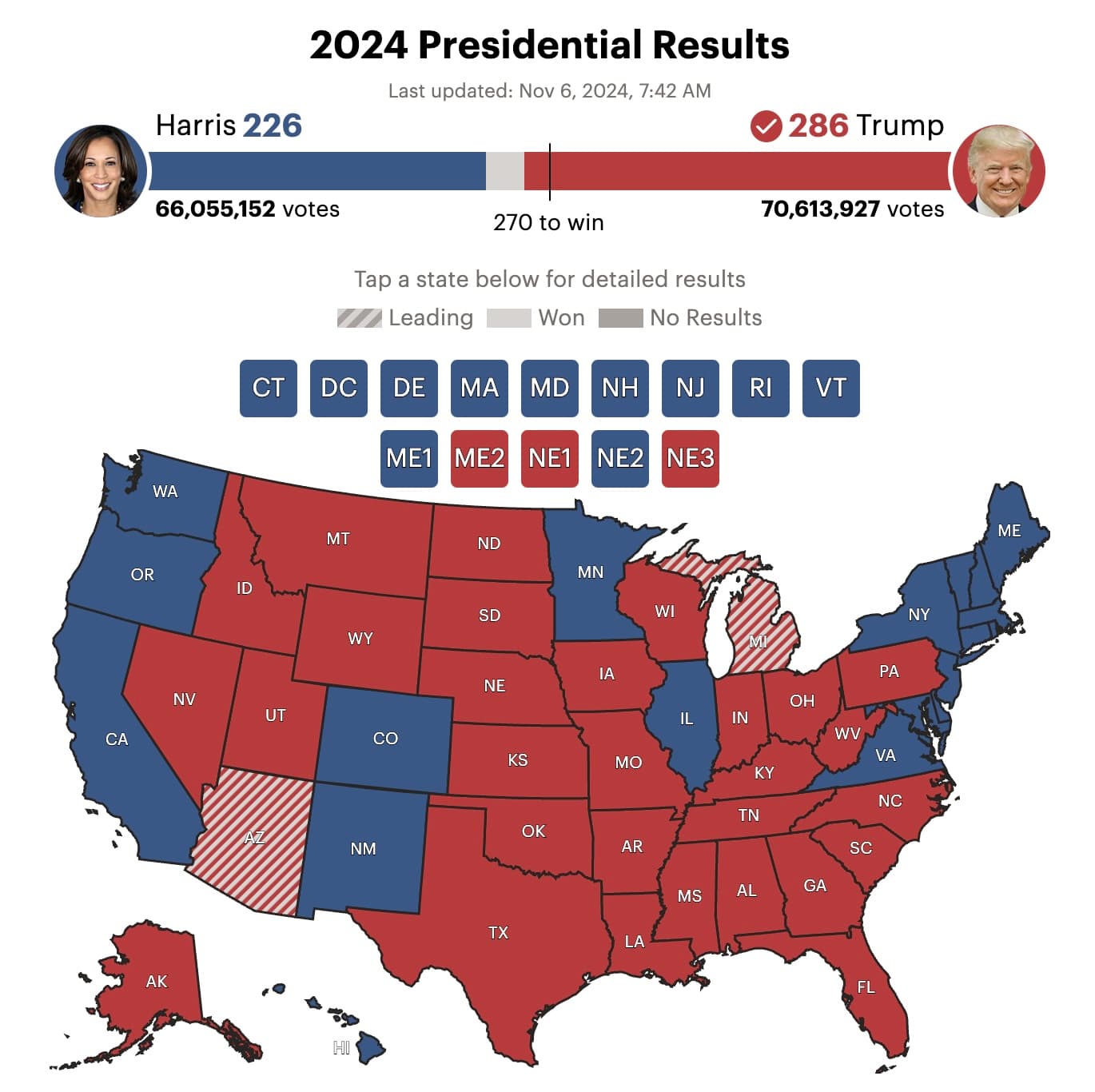
Trump carried all seven battleground states in 2024, but the battles that produced that result never settled the core questions raised during the Obama years. They moved those conflicts into proxy fights over voting rights, election trust, and which coalition can claim the country’s future.
The break began before Trump reached the White House
The long arc starts in 2012, when Donald Trump was already shaping national politics by pushing the false claim that Barack Obama had not been born in the United States. In February of that year, Trump gave a controversial endorsement to Mitt Romney while amplifying the birther conspiracy, a move that helped turn anti-establishment anger into a durable political identity.
The move fused suspicion of institutions with personal celebrity politics. It also gave Trump a national platform before he became a presidential candidate, tying his rise to a broader backlash against the Obama era rather than to one isolated campaign.
Obama’s reelection exposed the new political fault line
Obama’s reelection on November 6, 2012, came in one of the more noteworthy political comebacks in recent American history. The economy still carried the scars of the Great Recession, and unemployment was below 8 percent but still high by historical standards, yet Obama won a more comfortable margin than many expected.
The result did not close the divide. A governing coalition built around the 2008 and 2012 Obama campaigns still had enough strength to win national power, but the resentment building outside that coalition remained untouched. The contest was no longer just about policy; it was about whether the country would accept the legitimacy of the political order itself.
Polarization became the organizing force
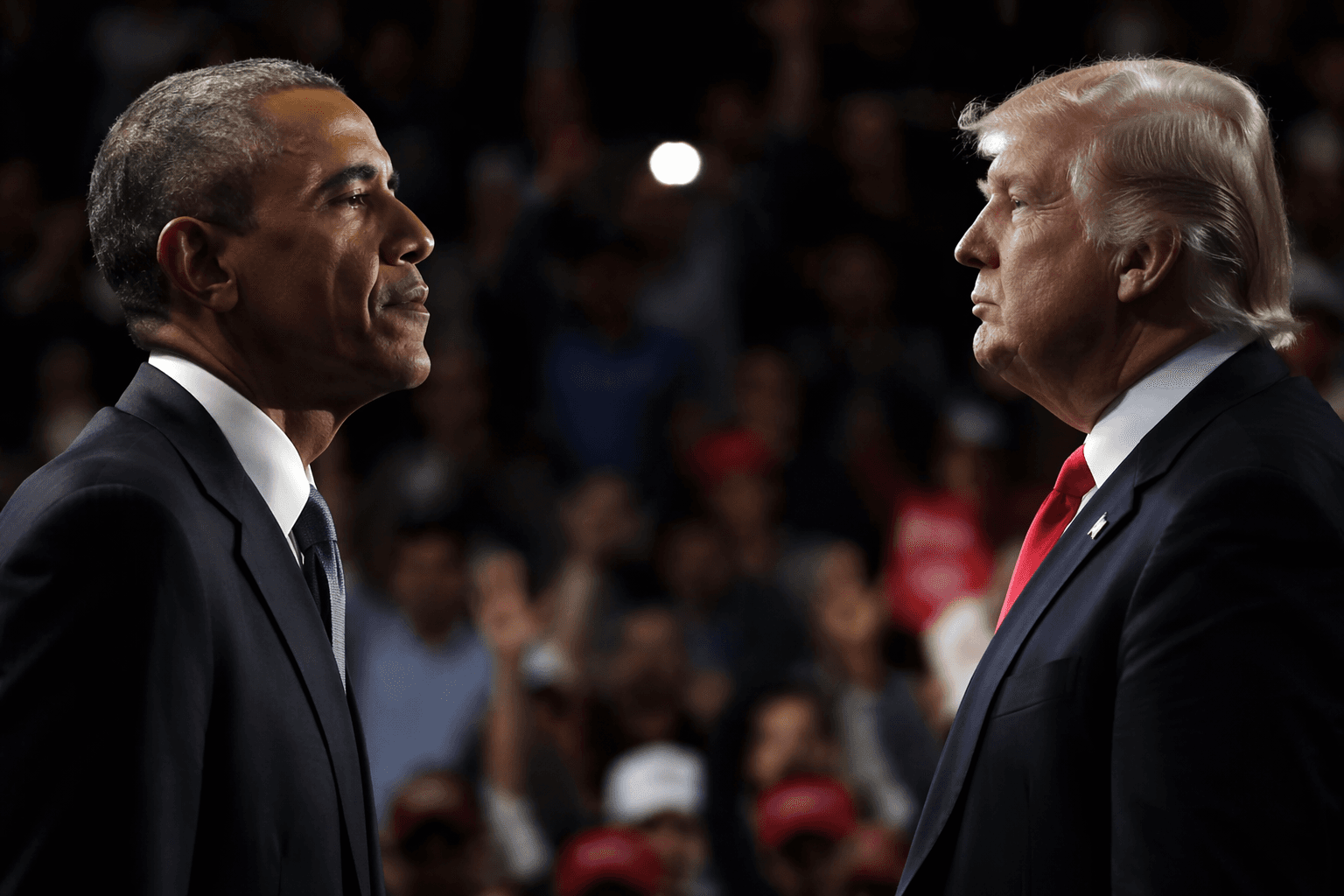
The Obama-to-Trump period was marked by deepening polarization and toxic politics, the subject of PBS FRONTLINE’s *America’s Great Divide* and *Divided States of America*. The fight moved beyond party labels and into competing stories about race, class, government, and democratic rules.
By the time Trump rose from provocateur to nominee, the argument had shifted from who could win a cycle to whether the institutions that structure American politics could still command trust. Misinformation became a political weapon, and distrust hardened into a habit that shaped how many Americans interpreted elections, media, and official results.
Trump turned grievance into a governing coalition
Trump’s rise was not a sudden break from the Obama years. It was built on them, especially on the anti-establishment anger that had already been growing by 2012. His political appeal widened because he offered a direct challenge to elites, parties, and the norms that had governed Republican and Democratic politics for decades.
That challenge also changed how coalition politics worked. The old assumptions about class, race, region, and partisan loyalty became less reliable, and the question of whether Trump could assemble a multiracial working-class coalition became one of the central tests of the era. That question remains unresolved because the movement he built proved durable even when he was out of office.
The 2024 election became another proxy battle
The 2024 presidential race unfolded amid widespread misinformation, distrust, and continuing challenges to voting rights. It also became another referendum on the unresolved political fights that began a decade earlier, with Trump again at the center.
Trump won the Electoral College and the popular vote and became only the second Republican since 1988 to win the national popular vote. Brookings put his near-final total at 77,266,801 votes, or 49.9 percent, compared with Kamala Harris’s 74,981,313 votes, or 48.4 percent, a margin of about 1.5 percentage points.
That margin was smaller than Hillary Clinton’s 2.1-point popular-vote margin in 2016, even as Trump secured the presidency through both the electoral map and the national vote. The seven battleground states were Arizona, Georgia, Michigan, Nevada, North Carolina, Pennsylvania, and Wisconsin.
The scale of the electorate showed how durable the divide had become
AP VoteCast interviewed more than 120,000 voters across the United States from October 28 to November 5, 2024.
This article was produced by Prism’s automated news system from verified source data, official records, and press releases, then run through automated quality and moderation checks before publishing. The system is built and supervised by the people who set the standards it runs under. Read our full AI policy.
Did this article answer your question?