India holds NEET retest amid paper leak scandal and protests
India retook its medical entrance exam under heavy security after a paper leak cancelled the first test for 2.3 million students. Protests and a Telegram blockade deepened the trust crisis.

For 18-year-old Ridhvi Saxena, three years of preparation had come down to one exam and one score that could shape her future as a doctor. That test, the National Eligibility cum Entrance Test, or NEET, sits at the center of India’s merit system, drawing more than two million aspiring doctors and carrying the weight of a family’s hopes, tuition costs and social standing.
The original NEET undergraduate exam was held on May 3, 2026, then cancelled after allegations of a paper leak and other irregularities. The cancellation affected 2.3 million students and left the National Testing Agency to order a re-examination for Sunday, June 21, without requiring fresh application forms or any additional fee. Candidates and parents were told to rely only on official communication channels as the government moved to restore credibility around an exam that has become a gatekeeper to one of the country’s most coveted professions.
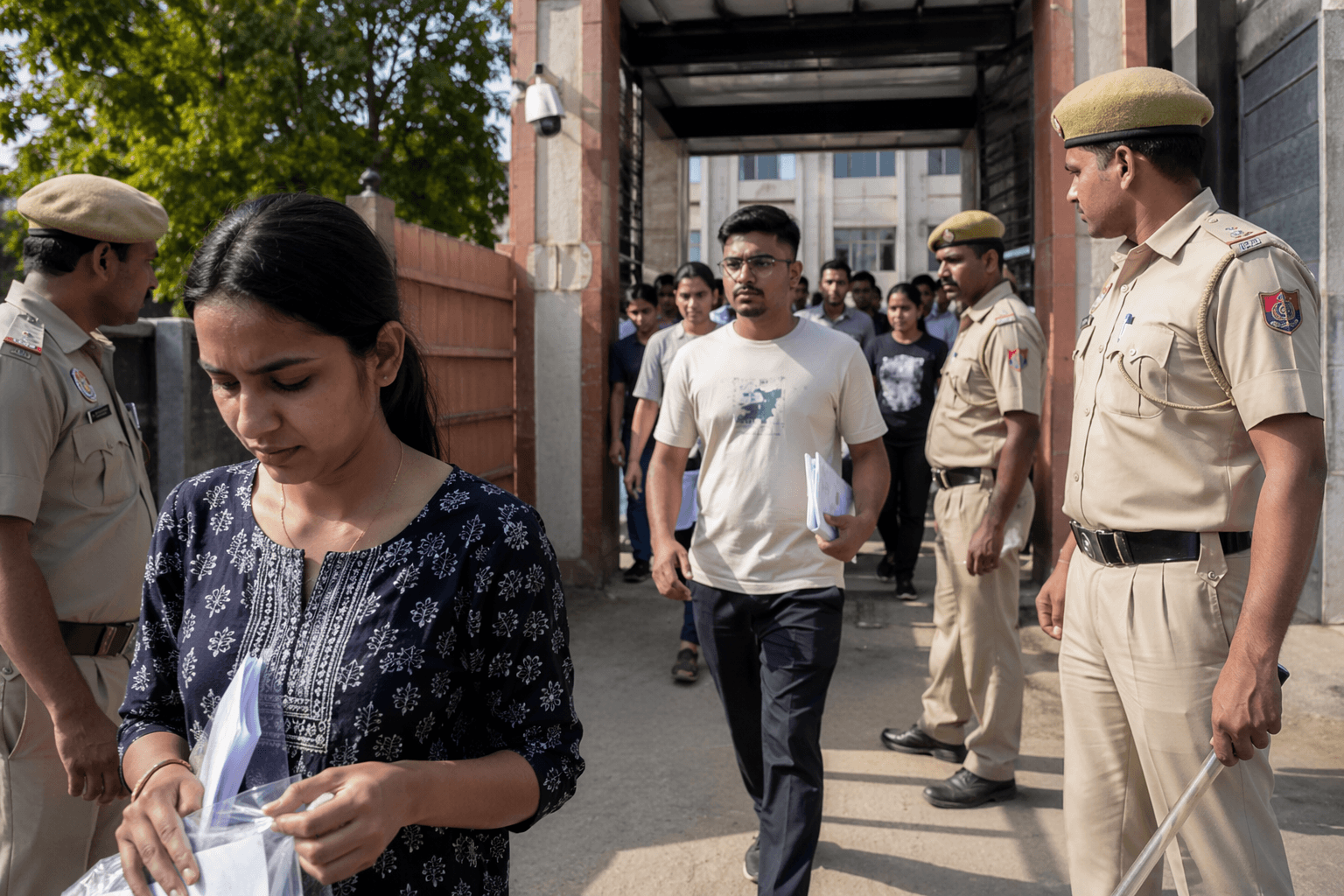
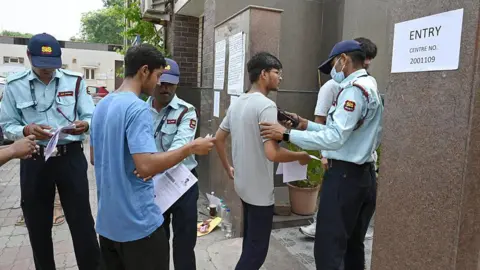
Authorities responded with an unusually heavy security apparatus. The retest will use GPS-tracked transport for question papers, CCTV monitoring, Aadhaar-based biometric authentication and more than two lakh personnel. It will be held across 551 cities in India and 14 overseas centres, a sign of how far the scandal has spread beyond one exam hall and into the credibility of the entire testing system.
The crisis has also spilled into the digital public square. India temporarily blocked Telegram until June 22, saying cheating rackets were using the platform to sell fake papers, spread misinformation and coordinate fraud. Message-editing features are set to remain restricted until June 30. Telegram founder Pavel Durov said the ban punished more than 150 million ordinary users in India, while the Internet Freedom Foundation called it a disproportionate band-aid solution. Officials described the block as unprecedented and a last resort after earlier takedown efforts failed.
The scandal has fueled protests in parts of India, including demonstrations demanding the resignation of Education Minister Dharmendra Pradhan. The anger has been intensified by a separate marking fiasco in school exams involving nearly two million high school students, widening the sense that public education systems are failing the young people who depend on them most. The Central Bureau of Investigation has also arrested the kingpin in the case, but the deeper damage is harder to contain: when confidence in a single exam collapses, so does faith in the ladder that is supposed to reward hard work, discipline and merit.
This article was produced by Prism’s automated news system from verified source data, official records, and press releases, then run through automated quality and moderation checks before publishing. The system is built and supervised by the people who set the standards it runs under. Read our full AI policy.
Did this article answer your question?


