India holds rates, unveils measures to defend rupee amid oil shock
India kept rates at 5.25% and rolled out currency defenses as oil shocks and capital outflows pushed the rupee lower.
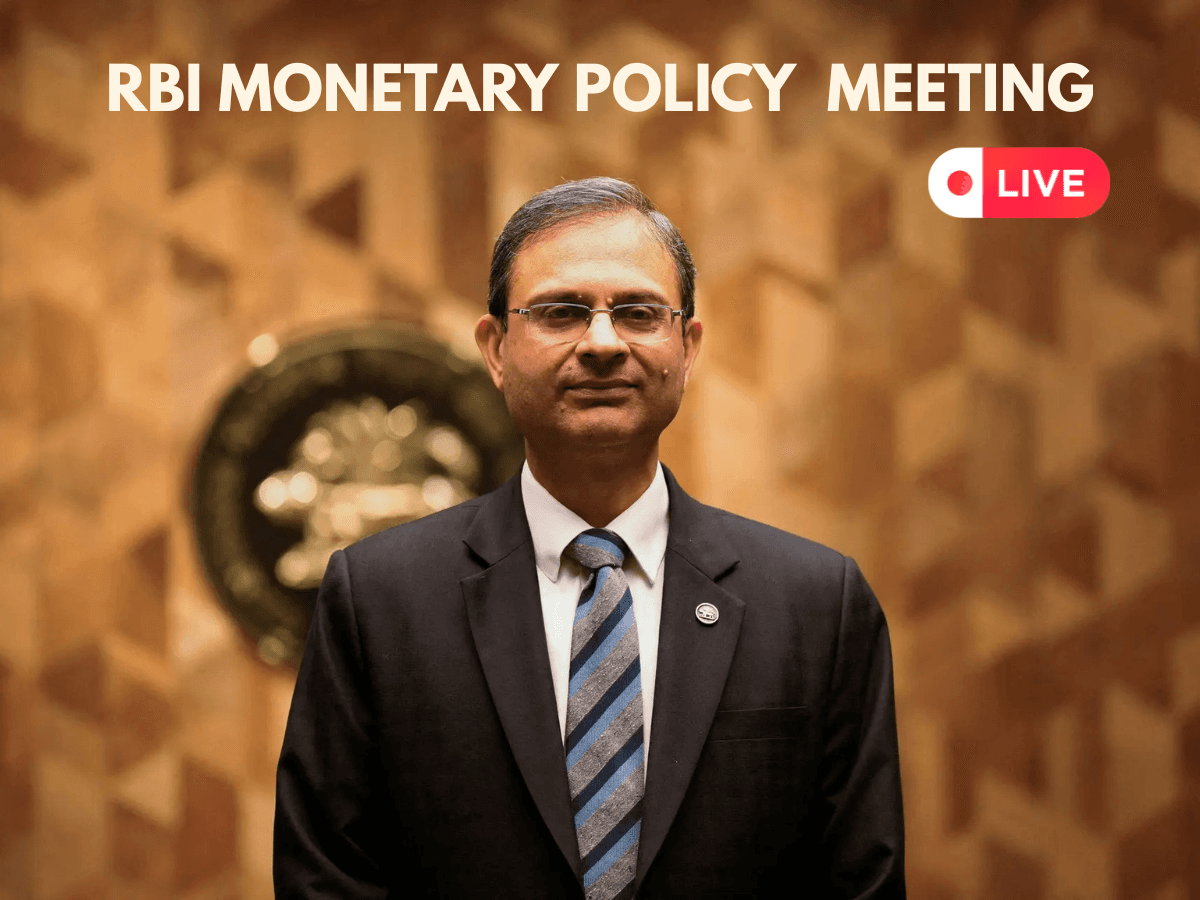
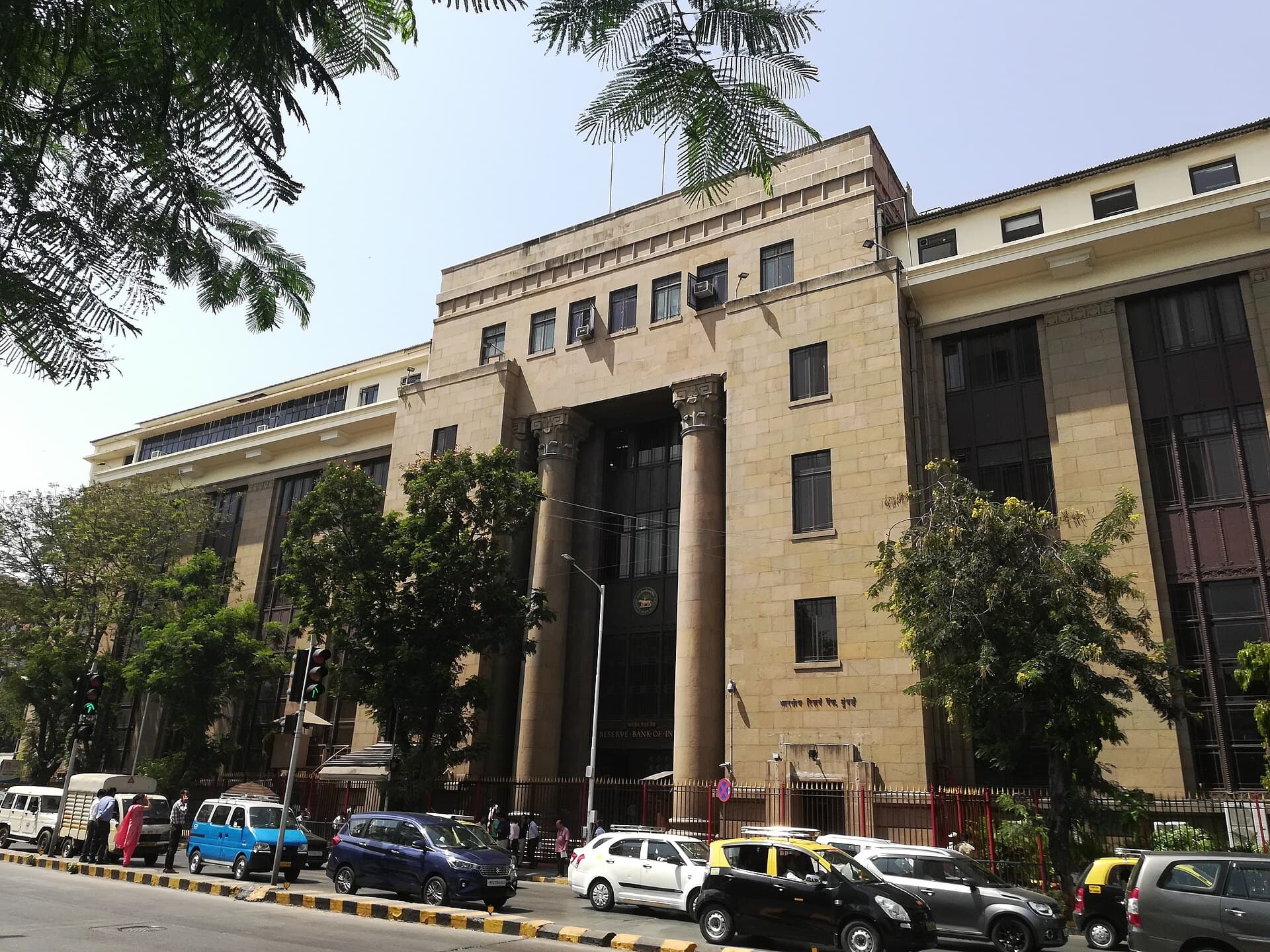
India’s central bank chose to protect growth without giving up on the rupee. The Reserve Bank of India kept its benchmark repo rate at 5.25% and held a neutral policy stance, but paired the decision with tax and foreign-exchange measures aimed at supporting a currency that has come under pressure from higher oil prices, war-related supply shocks and capital outflows.
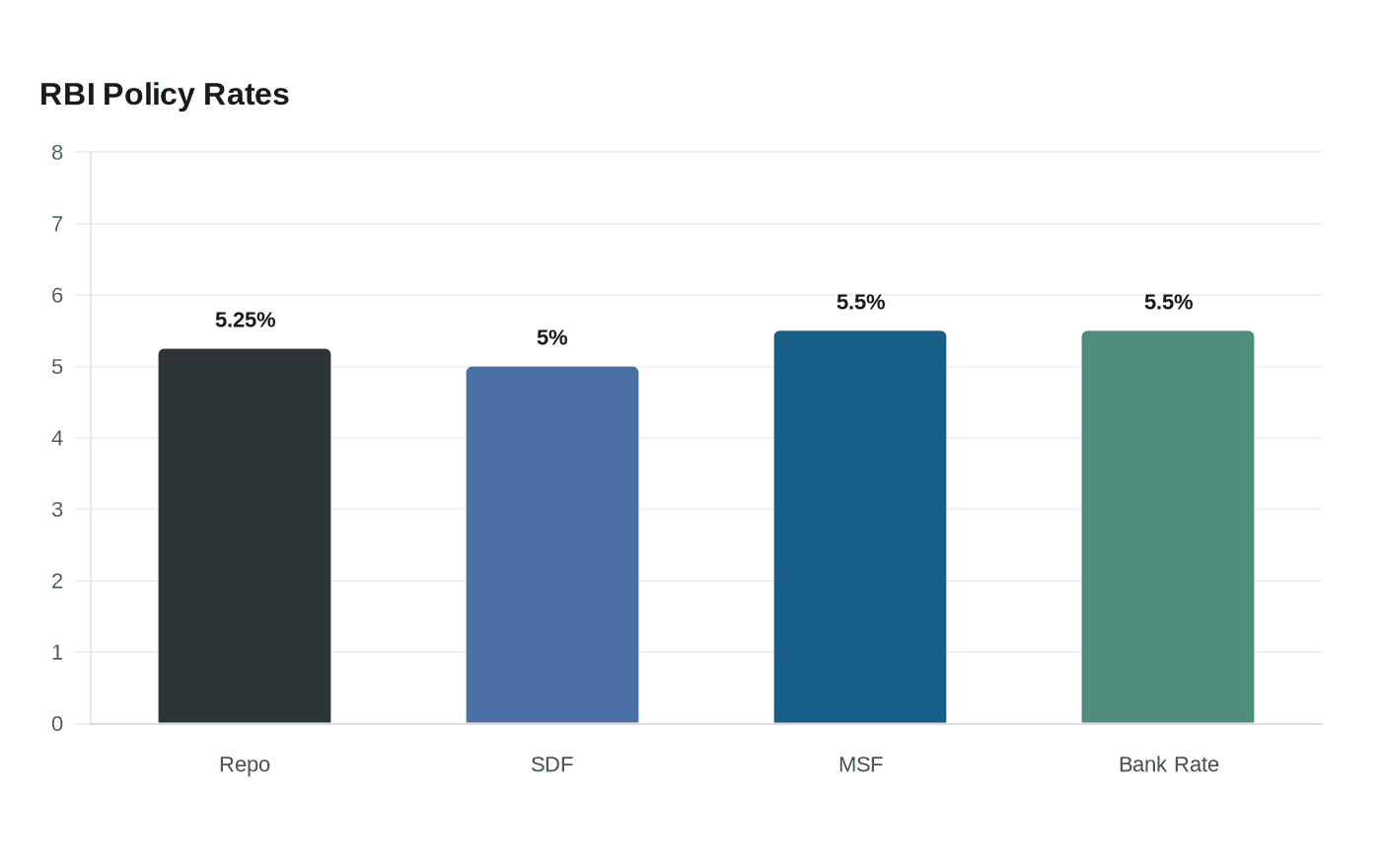
The Monetary Policy Committee met in Mumbai from June 3 to June 5, 2026, under Governor Sanjay Malhotra and voted unanimously to leave borrowing costs unchanged. The standing deposit facility rate stayed at 5.00%, while the marginal standing facility rate and Bank Rate remained at 5.50%. Malhotra said it was prudent to wait for greater clarity and described the central bank as “data dependent,” signaling that officials want more evidence before shifting to a tighter stance.

The policy package went beyond rates. The government said capital gains tax would be exempted for foreign investors in government securities from April 1, 2026, while investors currently face a 12.5% long-term capital gains tax on listed shares and bonds held for more than 12 months. The RBI also said it would offer concessional foreign exchange swaps until September 30, 2026, to encourage state-owned firms to raise dollar funding, and it will compensate banks for hedging costs on fresh three- to five-year foreign currency non-resident deposits aimed at the Indian diaspora.
The central bank’s new forecasts underscored the tension behind that approach. It cut FY27 real GDP growth to 6.6% from 6.9% and lifted its FY27 inflation projection to 5.1% from 4.6%, reflecting a tougher mix of volatile energy markets, firmer commodity prices and a deteriorating global outlook. The RBI said domestic private consumption remained resilient and fixed investment held up despite cost pressures, but it also warned that elevated energy prices, supply disruptions and a likely weak southwest monsoon could hit activity and rural demand.
Markets read the package as a targeted defense rather than a blunt rate hike. The rupee strengthened about 0.6% to 95.24 against the dollar and India’s benchmark 10-year bond yield fell to 6.95%, while equity indexes slipped 0.2%. Nearly 80% of 56 economists had expected no change in rates, but the wider message was sharper: India is trying to shield growth while limiting imported inflation from an oil shock that is also testing other emerging markets. Indonesia, the Philippines and Sri Lanka have raised rates in recent weeks, while South Korea has signaled a possible turn. If crude stays high and outflows persist, the pressure on New Delhi to do more will only intensify.
This article was produced by Prism’s automated news system from verified source data, official records, and press releases, then run through automated quality and moderation checks before publishing. The system is built and supervised by the people who set the standards it runs under. Read our full AI policy.
Know something we missed? Have a correction or additional information?
Submit a Tip