India positions itself as AI bridge between U.S. and China
India joined Pax Silica and touted $18 billion in chip approvals while pitching a third way in AI governance for the Global South.
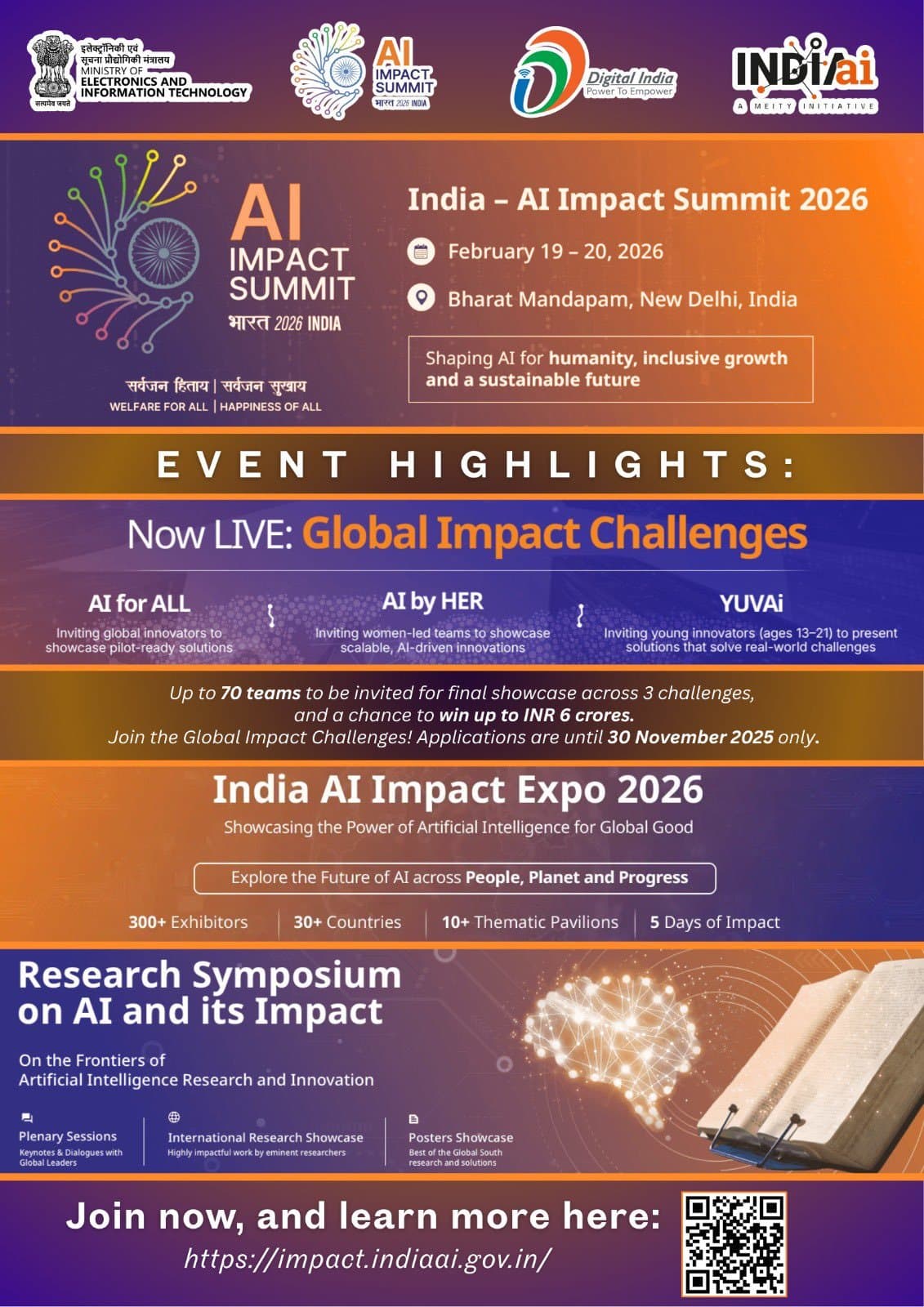
On the fifth day of the India AI Impact Summit in New Delhi, India formally joined the Pax Silica coalition and highlighted $18 billion in approved chip projects as it sought to remake the geopolitics of artificial intelligence. The summit, billed as the first high-level AI gathering to be held in the Global South, brought leaders from countries including Spain, Bolivia, Mauritius and Sri Lanka and a parade of corporate executives and diplomats to a government eager to convert geopolitical capital into industrial capacity.
The Press Information Bureau described the Pax Silica signing as “a significant milestone in the strengthening of strategic technology and supply chain cooperation between India and the United States,” saying the initiative aims “to secure and democratically govern the global silicon stack.” A high-level fireside chat that followed featured Shri S. Krishnan, Secretary of the Ministry of Electronics and Information Technology, U.S. Ambassador Sergio Gor, Micron Technology chief executive Sanjay Mehrotra and Tata Electronics chief executive Randhir Thakur. Shri S. Krishnan said the goal is “resilient collaboration with trusted partners who share our values.”
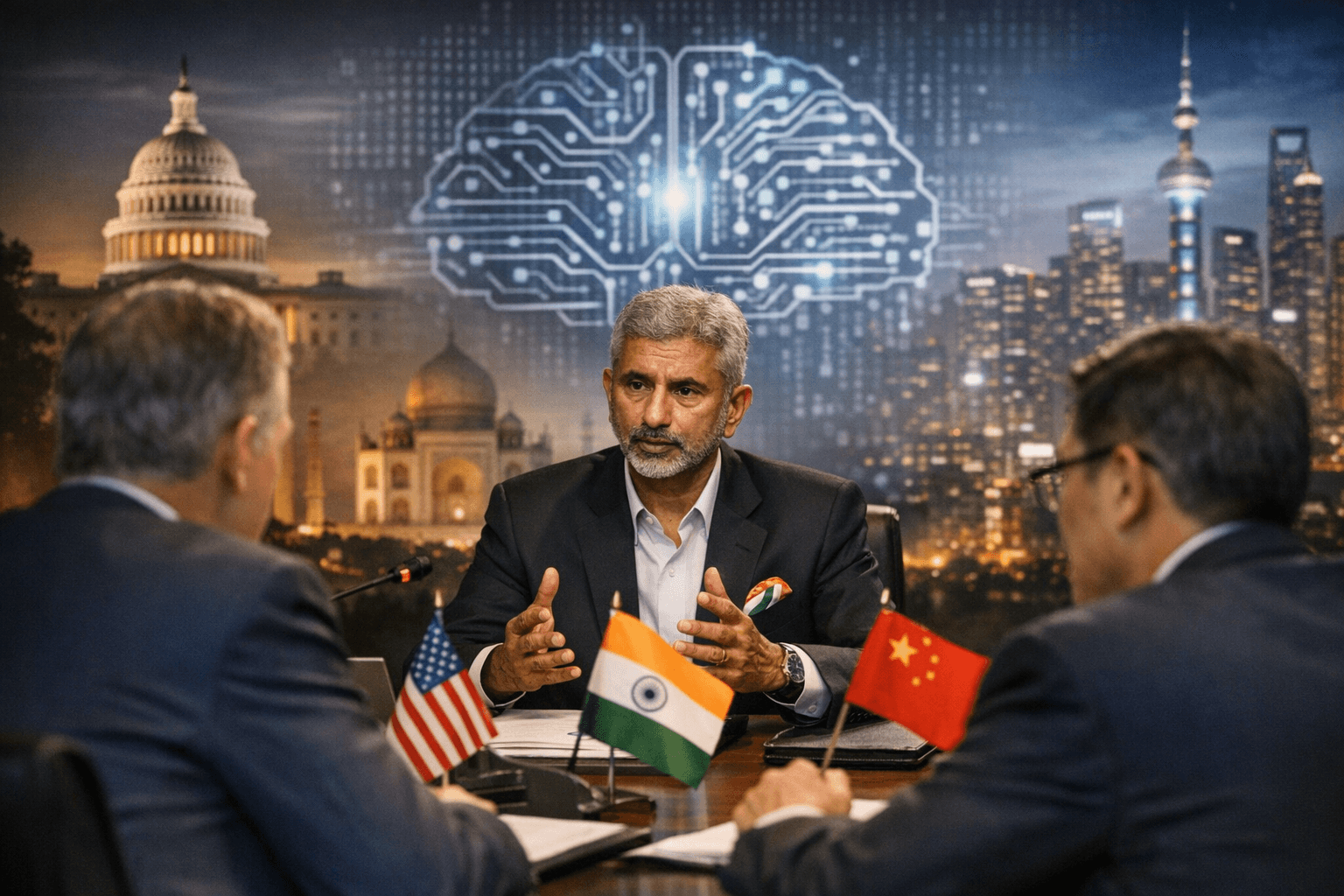
New Delhi framed the summit as more than a marketplace for tech investment. “India is using technology as a tool of foreign policy, casting itself as a moral voice for smaller, developing countries,” the government messaging said as officials dangled “its pool of I.T. workers and huge domestic market as a test case for applications of the technology.” Prime Minister Narendra Modi, according to reporting from the Financial Post, pressed a model that “sits in the middle lane between the corporate-led ecosystem of the US and state-backed China push,” casting India as an alternative to a binary U.S. China contest.
International figures echoed the summit’s call for broader governance. António Guterres warned that “the future of AI cannot be decided by a handful of countries or left to the whims of a few billionaires.” Industry voices raised complementary concerns about power and concentration. Arthur Mensch, chief executive of Mistral AI, said, “We’re facing too much concentration of power in artificial intelligence.” Other analysts cautioned that the prize India seeks may carry risks: Bhattacharya warned, “India is trying to sort of set its terms,” and added, “The risk is India becoming this data colony for big tech where the proprietary, the value-added services are done elsewhere.”
Organizers and participants also touted fresh capital flows even as clear gaps remain. CNBC reported that tech giants have pledged to funnel hundreds of billions of dollars into Indian AI efforts while U.S. Big Tech planned roughly $650 billion in new spending in 2026, a Financial Post figure that underscored the capital intensity of frontier systems. At the same time, the Financial Post noted India still lags in the high-end computing infrastructure needed to build frontier large language models, and observers pointed to “tens of billions of dollars” required to build and operate those systems.
The summit was not without controversy. CNBC said Microsoft co-founder Bill Gates withdrew amid public backlash over his past relationship with Jeffrey Epstein, and an Indian university drew criticism for claiming credit for a commercially available Chinese-made robot dog. Backers say the New Delhi gathering broadened the idea of AI safety beyond existential risks: “takes a very expansive view of what safety means,” Amlan Mohanty of Carnegie India said. As New Delhi pushes a “third way” between Washington and Beijing, the challenge will be converting diplomatic signaling and headline-grabbing pacts into the compute, capital and governance capacity that smaller countries need to avoid dependence.
This article was produced by Prism’s automated news system from verified source data, official records, and press releases, then run through automated quality and moderation checks before publishing. The system is built and supervised by the people who set the standards it runs under. Read our full AI policy.
Did this article answer your question?


