India tightens security for NEET retest after paper leak scandal
Biometric checks, frisking and Air Force escorts met NEET-UG retesters as India tried to restore trust after a leak scandal that canceled the exam and triggered 11 arrests.
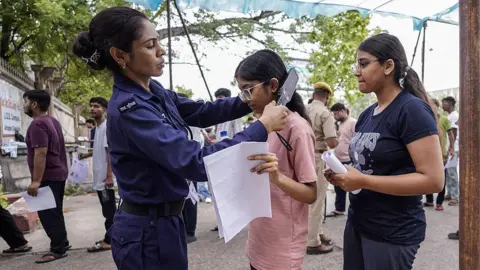
Biometric scans, frisking and metal detectors framed a rare national retest as India tried to rebuild confidence in NEET-UG 2026 after allegations that the medical entrance paper had leaked. More than 22.79 lakh candidates were due to sit the re-examination at 5,440 centres in 551 cities in India and 14 centres abroad, turning the exam into a test of whether the state could still guarantee fairness.
The National Testing Agency cancelled the original exam on May 12 after leak allegations and referred the case to the Central Bureau of Investigation. The retest was scheduled for 2:00 pm to 5:15 pm, with an additional 15 minutes set aside for pre-exam formalities and instructions, as officials moved to prevent any repeat of the scandal that had thrown months of preparation into uncertainty.
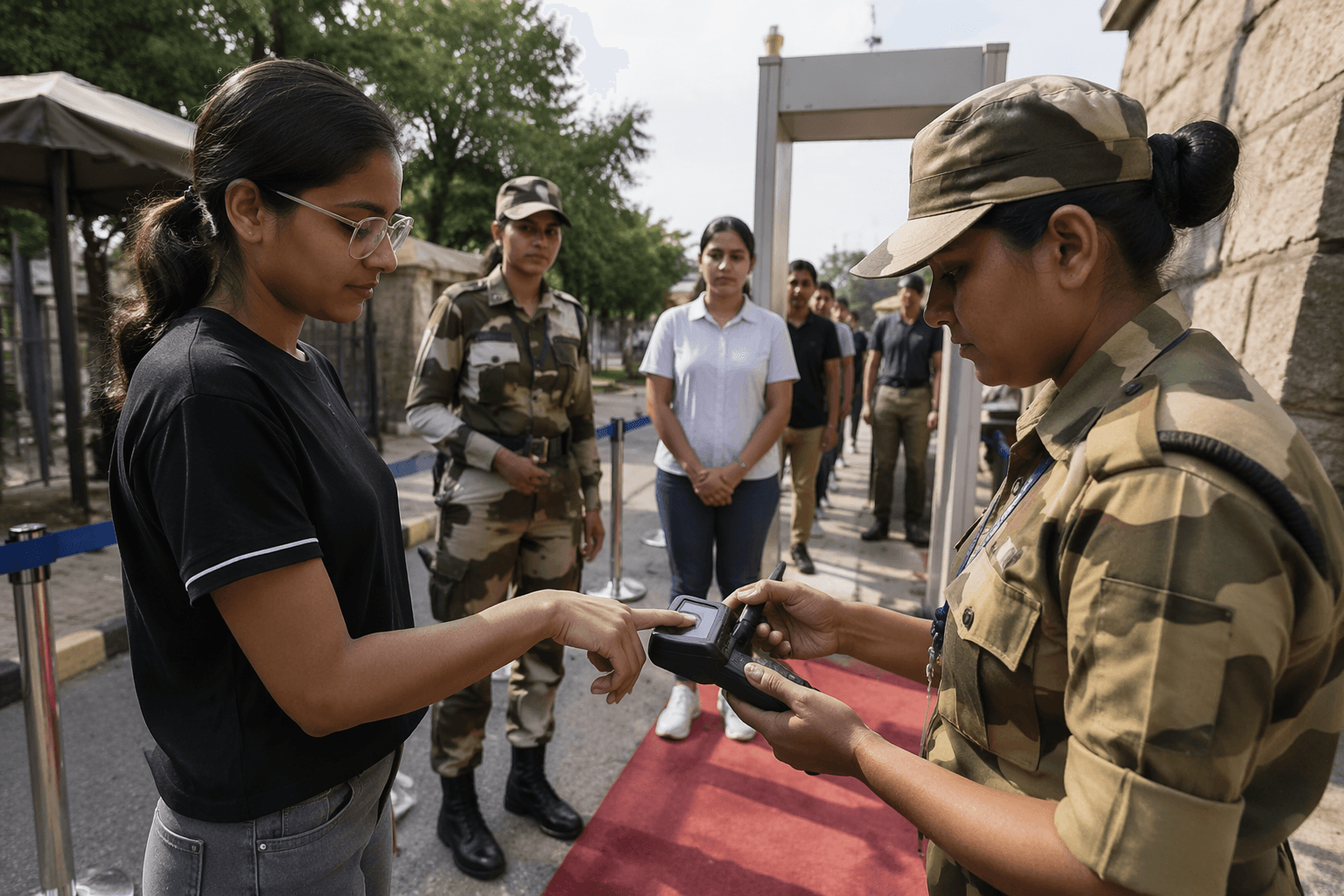
Security around the retest was sharply expanded. Candidates faced biometric identification checks, frisking, metal detectors and CCTV monitoring at centres, while authorities also used AI-monitored camera feeds, jammers and GPS-enabled transport to protect the process. The Indian Air Force was brought in to help move confidential question papers, with papers airlifted from printing presses to Air Force stations before onward transfer under escort. Police, paramilitary forces and the Department of Posts were also part of the secure movement of confidential material.
The tightened operation reflected the scale of public anger that followed the leak allegations, which triggered protests, court challenges and calls for a stronger examination system. The NTA warned against misinformation and false claims of a new leak, while the government temporarily blocked Telegram in India at the agency’s request after officials said cheating rackets had used the platform to advertise fake paper sales to students preparing for the retest.
The CBI had arrested 11 accused from multiple states, underscoring how far the investigation had spread. In New Delhi, a Delhi court on June 16 allowed Yash Yadav, a medical student accused in the case, to appear for the June 21 re-examination. For students and families, the retest meant another day of travel, anxiety and waiting after weeks of uncertainty, while the state tried to prove that a merit-based gateway had not been permanently damaged.
This article was produced by Prism’s automated news system from verified source data, official records, and press releases, then run through automated quality and moderation checks before publishing. The system is built and supervised by the people who set the standards it runs under. Read our full AI policy.
Know something we missed? Have a correction or additional information?
Submit a Tip