India warns of below-normal monsoon, raising farm and inflation risks
India’s weather office sees 92% of normal monsoon rain, a first below-normal first forecast in eight years that could lift food prices and strain farms.
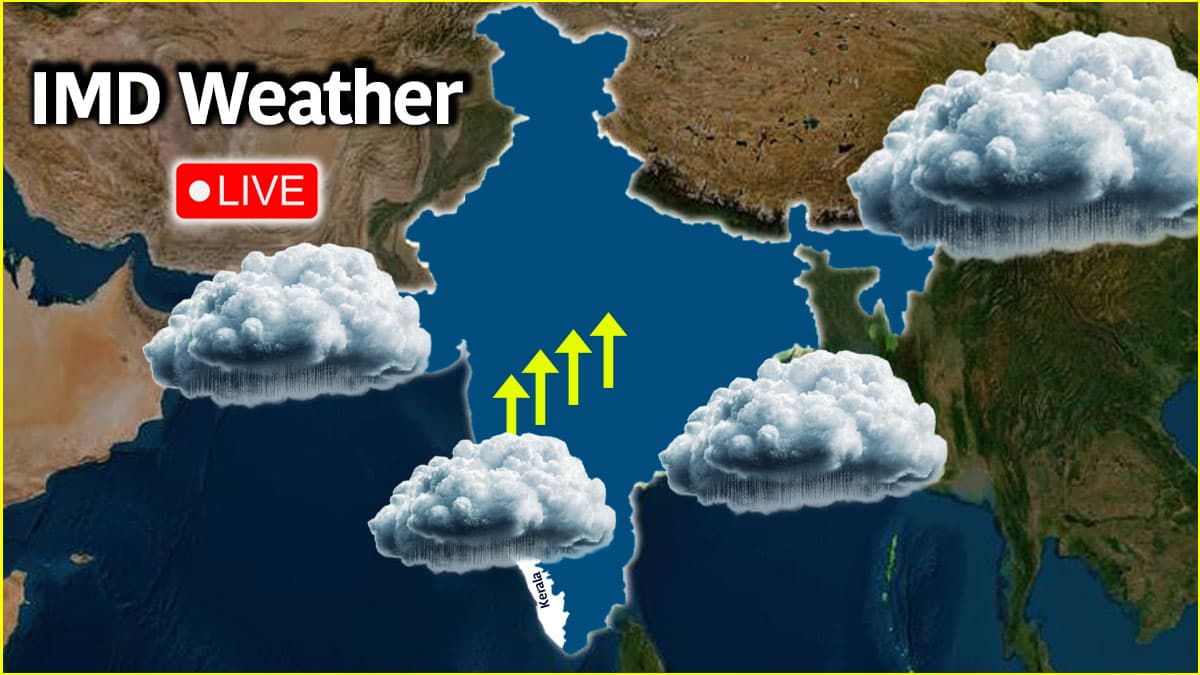
India’s weather office warned that the June-September monsoon is likely to bring only 92% of the long-period average rainfall, a signal that could squeeze farm output, reservoir levels and food prices across the country. The forecast marked the first time in eight years that the initial long-range outlook pointed to below-normal rain.
The India Meteorological Department issued the warning on April 13, 2026, in New Delhi, setting the seasonal total at about 800 mm against the 1971-2020 long-period average of 870 mm, with a margin of error of plus or minus 5%. The agency said El Niño conditions are likely after June and pointed to reduced snow cover across the Northern Hemisphere over the previous three months as one reason for the weaker outlook. It also said a positive Indian Ocean Dipole and prevailing Eurasian snow cover could partly offset the impact of El Niño.
The timing matters because the southwest monsoon usually reaches Kerala around June 1 and withdraws by mid-September, leaving a narrow window for sowing decisions, irrigation planning and state food policy. India still depends heavily on seasonal rainfall to water crops and refill rivers, reservoirs and aquifers. Nearly half of the country’s farmland has no irrigation, leaving large stretches of the countryside exposed when monsoon rains fall short.
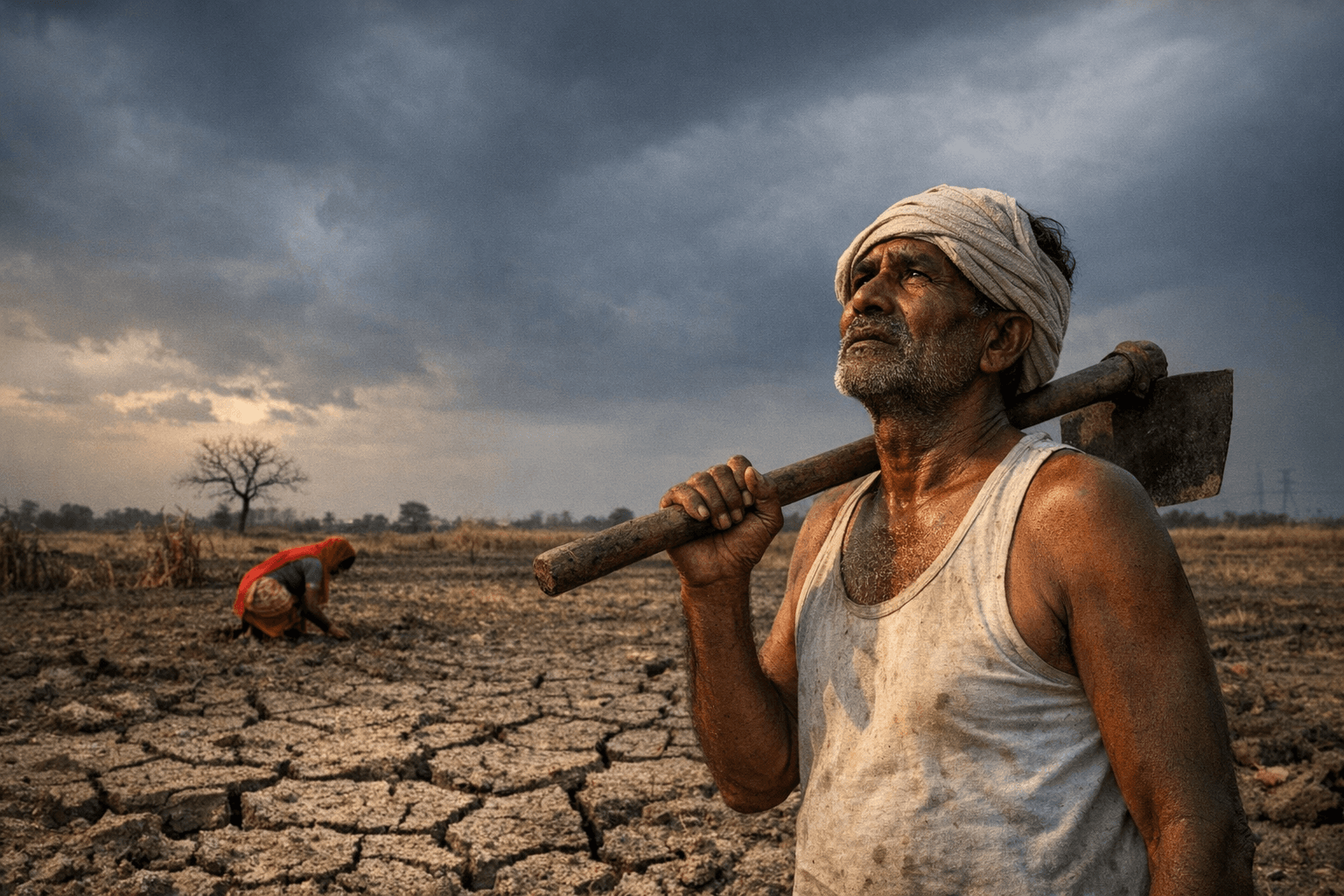
A weaker season would hit rain-fed districts first and hardest, especially small farmers who have little cushion against crop losses. Staples such as rice, pulses and oilseeds would be vulnerable if rainfall misses key growing areas, and tighter supplies could quickly filter into consumer prices. Good monsoons also support rural demand, lifting sales of fertilizers, tractors and two-wheelers, so a shortfall would carry consequences beyond the farm gate.
The inflation backdrop is already delicate. Retail inflation in India stood at 3.40% year over year in March 2026, up from 3.21% in February, and broader commodity and import costs have been under pressure from the Iran war. If food prices rise again, policymakers at the Reserve Bank of India may find it harder to treat inflation as a temporary issue, especially if reservoir levels and groundwater recharge weaken during the rainy season.
The warning also comes after two strong years. India received 107.6% of its long-period average monsoon rainfall in 2024, and the 2024 southwest monsoon finished at 108% of average, the highest since 2020. India also expected above-average rains in 2025 for a second straight year, at 105% of the long-term average. The shift from that pattern leaves agriculture and inflation more exposed if the 2026 rains fall short.
The India Meteorological Department said it will issue a second-stage forecast in mid-May, a follow-up that will be watched closely by farmers, grain markets and policymakers preparing for the sowing season.
This article was produced by Prism’s automated news system from verified source data, official records, and press releases, then run through automated quality and moderation checks before publishing. The system is built and supervised by the people who set the standards it runs under. Read our full AI policy.
Did this article answer your question?