Indian banks lift FCNR rates as RBI opens forex swap window
RBI’s swap window aims to revive FCNR inflows after they fell to $946 million in FY26, while HDFC Bank has lifted rates to 6% and rivals are going to 7.10%.
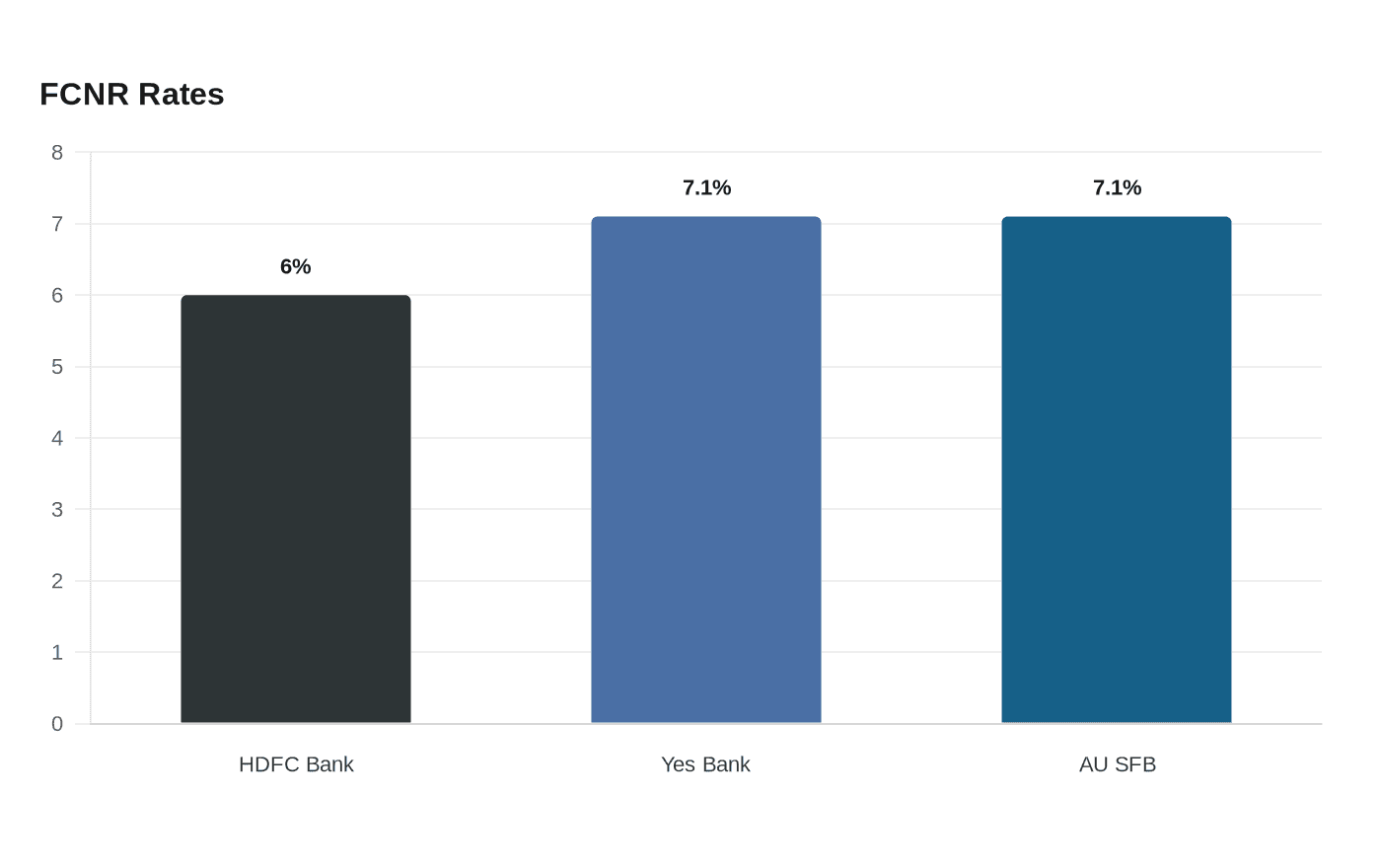
Indian banks moved quickly to tap a Reserve Bank of India facility that can turn NRI dollar deposits into a fresh source of rupee funding, and the timing points to a central bank trying to shore up foreign-currency inflows as the rupee comes under pressure. HDFC Bank, the country’s largest private lender, raised FCNR(B) rates by as much as 260 basis points and is now offering up to 6% in the three-to-five-year bucket, while Yes Bank and AU Small Finance Bank have gone as high as 7.10% on similar tenors.
The RBI’s June 8 notification made the swap window effective immediately for fresh FCNR(B) deposits mobilized between June 8 and September 30, 2026, with the facility remaining open until October 16. It applies only to deposits with three- to five-year maturities, can be used once a week, and is structured at par with the first leg priced at the FBIL reference rate. The central bank also exempted deposits mobilized under the scheme from cash reserve ratio and statutory liquidity ratio requirements, reducing the drag on banks’ balance sheets and making the funding more attractive to lenders.
That combination explains why banks are competing early. By bearing the hedging cost itself until September 30, the RBI lowered the price of converting dollar deposits into rupees, which improves the economics for banks and makes FCNR money easier to deploy into assets such as government bonds. The move also gives policymakers a way to attract hard-currency inflows without resorting to a direct rate hike. For the market, the immediate signal has been lower short-term bond yields and support for the rupee.
The central bank’s urgency is tied to a sharp drop in this funding channel. FCNR(B) inflows fell from more than $7 billion in FY25 to just $946 million in FY26, a collapse that helps explain why the RBI is trying to restart the pipeline now. Sanjay Malhotra has signaled that banks should pass the benefit through to overseas depositors, underscoring the pressure on lenders to sharpen pricing quickly.
Whether 6% is enough to pull in NRI money at scale is less clear. HDFC Bank’s offer may be competitive for a large, trusted private lender, but rivals already quoting 7.10% suggest the deposit race could favor the most aggressive banks rather than the biggest ones. A 2013 FCNR(B) swap window helped banks raise about $26 billion, but commentary on that episode says a meaningful share was not direct NRI savings and some came through overseas bank funding routed via NRIs. That history is shaping the debate again: the RBI is betting that faster inflows, even at a cost, will ease foreign-exchange pressure and buy time for the currency market.
This article was produced by Prism’s automated news system from verified source data, official records, and press releases, then run through automated quality and moderation checks before publishing. The system is built and supervised by the people who set the standards it runs under. Read our full AI policy.
Did this article answer your question?