India’s central bank urges linking BRICS digital currencies to speed payments
Two insiders say the Reserve Bank of India recommended placing a plan to connect BRICS central bank digital currencies on the 2026 summit agenda to streamline cross-border payments.
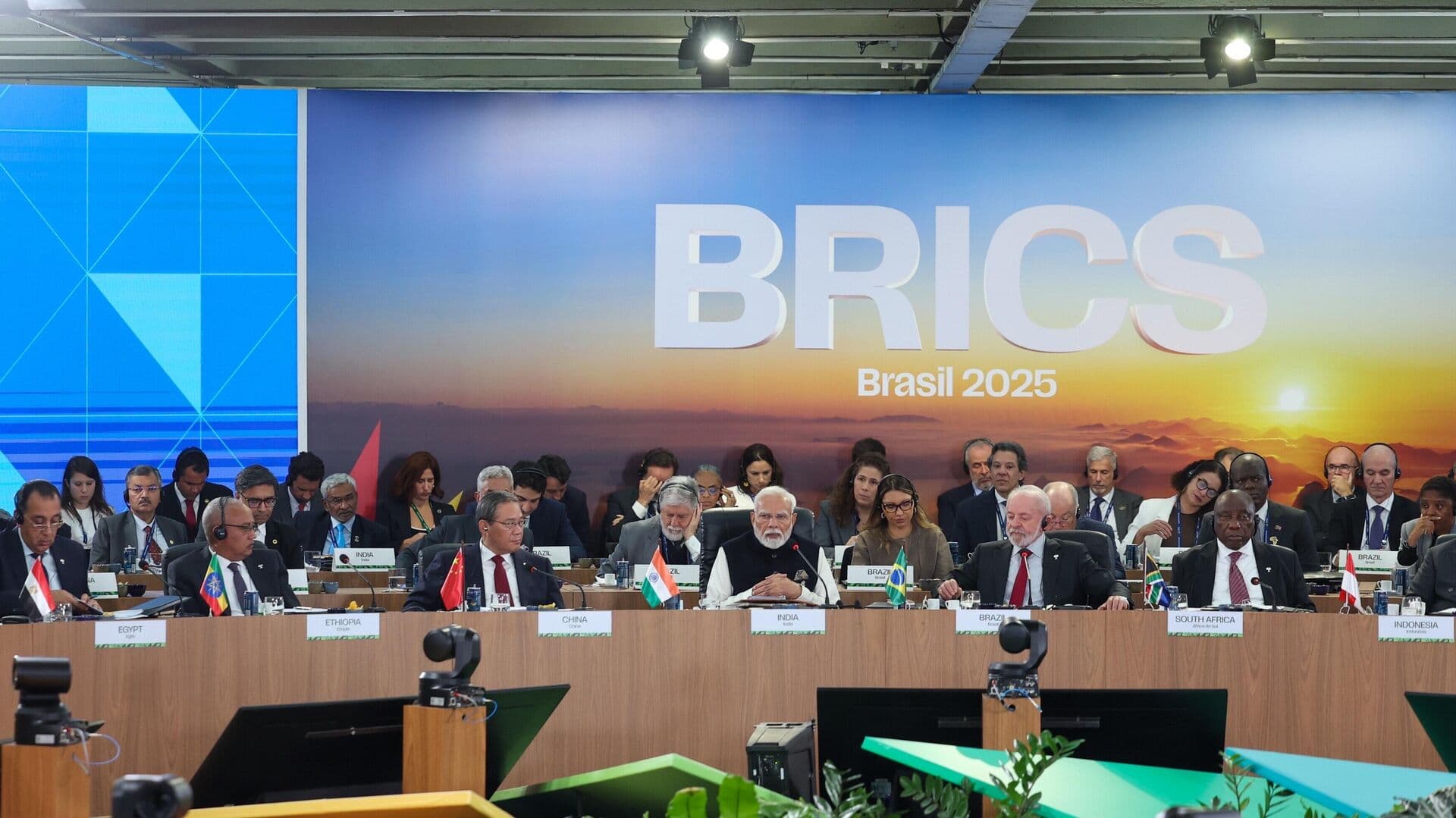
The Reserve Bank of India has proposed linking the central bank digital currencies of BRICS members to simplify cross-border trade and tourism payments, two people familiar with the matter said, and recommended that the item be placed on the agenda for the 2026 BRICS leaders summit that India will host.
RBI officials framed the proposal as a practical step to reduce transaction costs, speed settlement and cut out layers of intermediaries that now slow international transfers. The recommendation targets tangible use cases at the outset - tourism and trade payments are expected to be prioritized - with the idea that incremental pilot linkages could establish technical and legal frameworks for broader cooperation later.
The initiative builds on work begun at last year’s BRICS meeting in Rio de Janeiro, where leaders urged compatibility and tasked finance ministers and central bank governors with advancing a BRICS Cross-Border Payments Initiative. India’s presidency of BRICS, assumed on January 1, 2026, provides the political window to elevate the proposal to leader-level discussion during the summit.
Technically the proposal faces limits. None of the major BRICS economies has yet achieved a full-scale CBDC rollout, although most are running pilots. India’s e-rupee, introduced in late 2022, is operational and has been tested in offline payments, targeted subsidy disbursements and integration with fintech wallets. Other BRICS members are experimenting with platforms and pilot arrangements that could support interoperability, but standardizing message formats, settlement mechanisms and compliance checks across jurisdictions will require months of work.
Proponents say a linked CBDC arrangement could allow one central bank’s digital currency to be accepted for payments in another jurisdiction without a string of correspondent banks, trimming fees and settlement times for businesses and travelers. Even limited pilots, focused on specific corridors and merchant categories, could reduce frictions for small exporters and cross-border tourism flows.
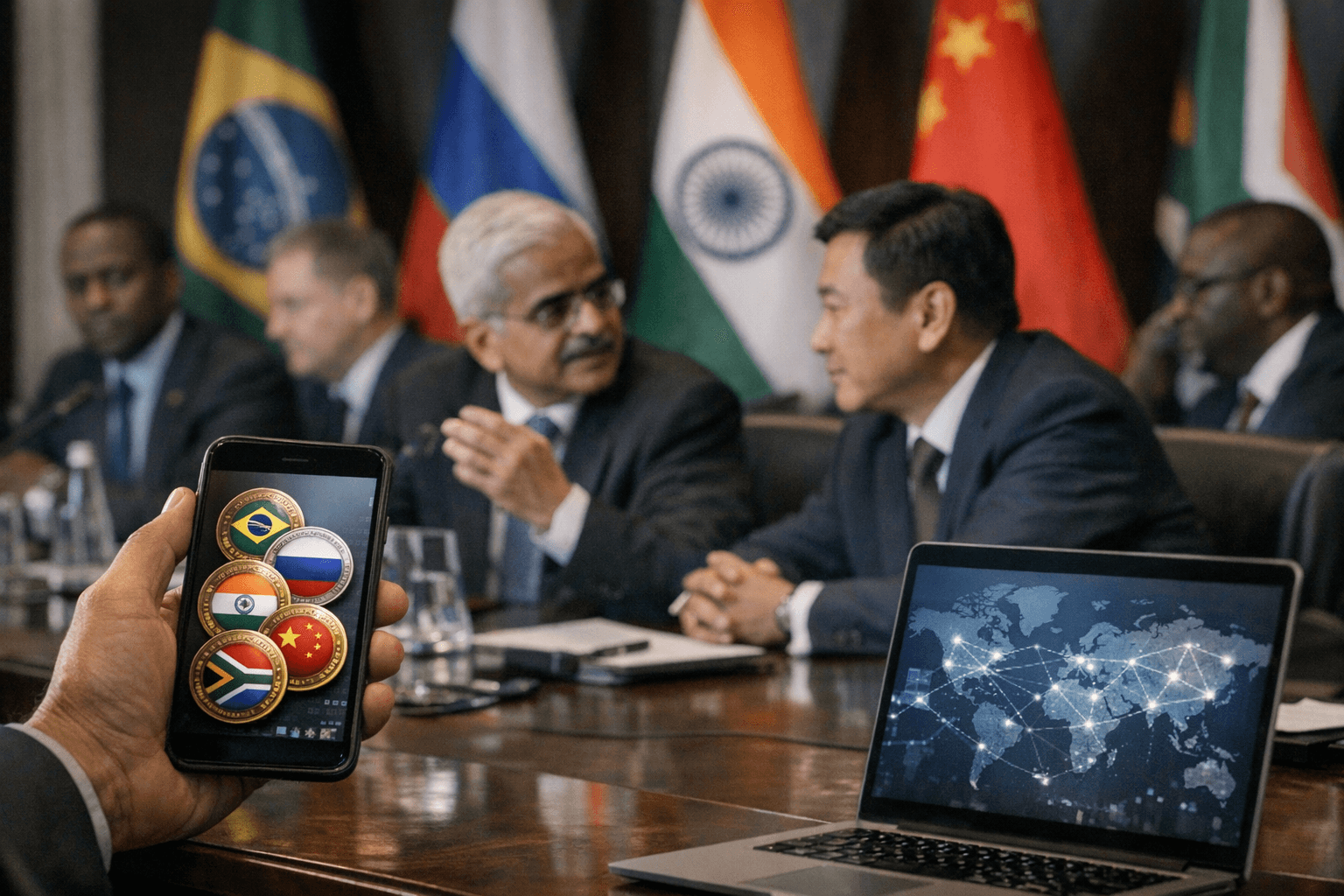
The proposal also carries geopolitical weight. Supporters within BRICS see digital currency linkages as a way to reduce dependence on the U.S. dollar for some transactions, a sensitive aim amid rising tensions in global trade politics. Analysts warn that moves perceived as creating alternatives to dollar-based settlement might prompt political pushback from Washington or complicate interactions with countries that rely on dollar-denominated systems.
Legal, regulatory and sanctions-screening hurdles will be paramount. Any CBDC link would need robust anti-money-laundering and counterterrorist financing controls, agreed dispute-resolution mechanisms and clear rules for data sharing and privacy protection. Central banks will also need to reconcile differences in monetary policy frameworks and liquidity management to avoid unintended spillovers.
For now the proposal remains a recommendation under discussion within Indian authorities and among BRICS counterparts. If placed on the summit agenda, it would mark a significant effort to move CBDCs beyond domestic pilots toward practical cross-border use, testing both the technology and the political will for deeper financial cooperation among emerging economies.
This article was produced by Prism’s automated news system from verified source data, official records, and press releases, then run through automated quality and moderation checks before publishing. The system is built and supervised by the people who set the standards it runs under. Read our full AI policy.
Did this article answer your question?