India’s tougher grid rules stir solar and wind investor backlash
India is about to tighten penalties on renewable generators, and developers fear the new grid rules could squeeze solar and wind returns.
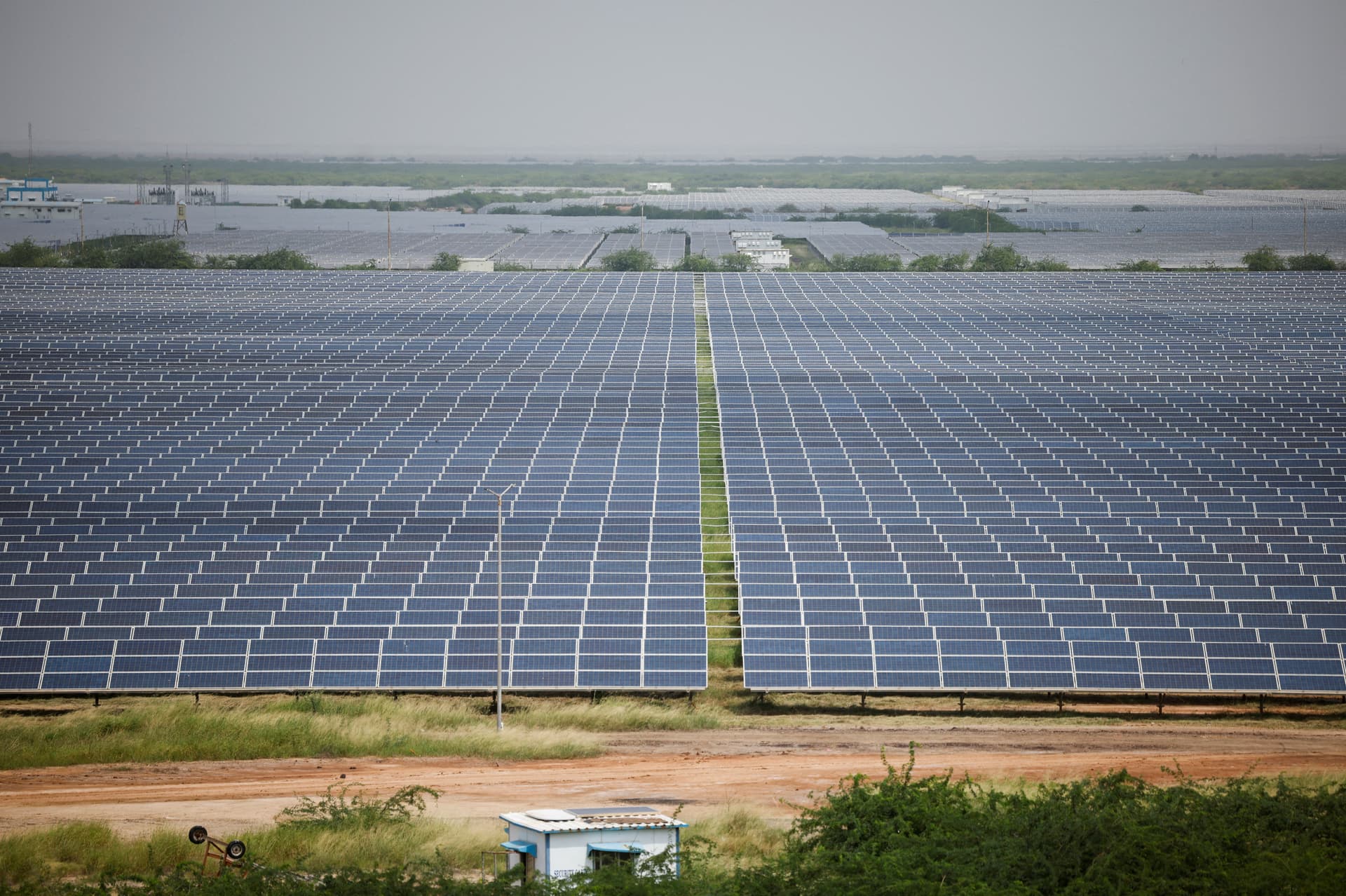
India is moving to force solar and wind operators to absorb more of the grid’s balancing risk, a change that could reshape investment in the country’s energy transition. Developers say the tougher rules would raise penalties when projects miss scheduled deliveries, with industry estimates pointing to revenue declines of about 11 percent for solar and as much as 48 percent for wind farms.
The Central Electricity Regulatory Commission drafted the latest changes on May 26, 2026, and set them to take effect on July 1, 2026, after a comment deadline of June 26. The proposal would replace the current time-block weighted average ACP benchmark with a daily weighted average ACP, and it would bring wind-solar sellers on par with general sellers in stages. Projects tendered or bid on or after January 1, 2027 would be covered first, while other projects would shift only for commercial operation dates on or after January 1, 2029.
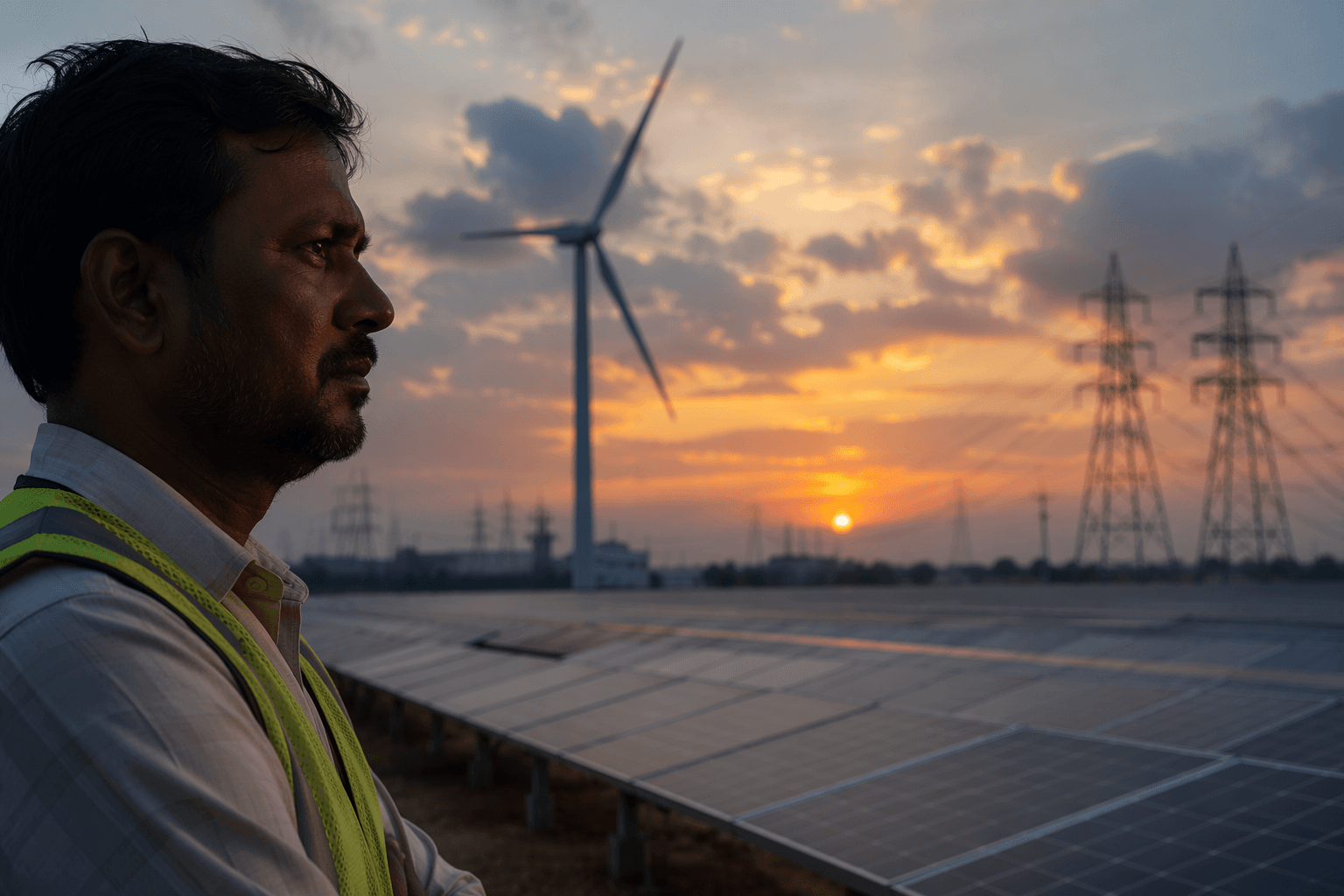
That tightening sits on top of an earlier framework. The commission’s original draft Deviation Settlement Mechanism and Related Matters Regulations, issued on April 30, 2024, said the system was meant to make grid users stick to schedules through a commercial mechanism in the interest of reliability, security and stability. The new draft pushes that logic further, making project operators more responsible for the gap between promised output and actual supply.
The government says the pressure is necessary because renewable power is now too large to treat as a marginal source. India’s Ministry of New and Renewable Energy said on April 8, 2026 that the country had 283.46 gigawatts of non-fossil capacity installed as of March 31, 2026, including 274.68 gigawatts of renewable energy. Of that renewable total, 150.26 gigawatts came from solar and 56.09 gigawatts from wind. The same release said India hit 50 percent of installed electric power capacity from non-fossil sources in June 2025, five years ahead of its 2030 target, and that renewables met 51.5 percent of electricity demand on July 29, 2025.
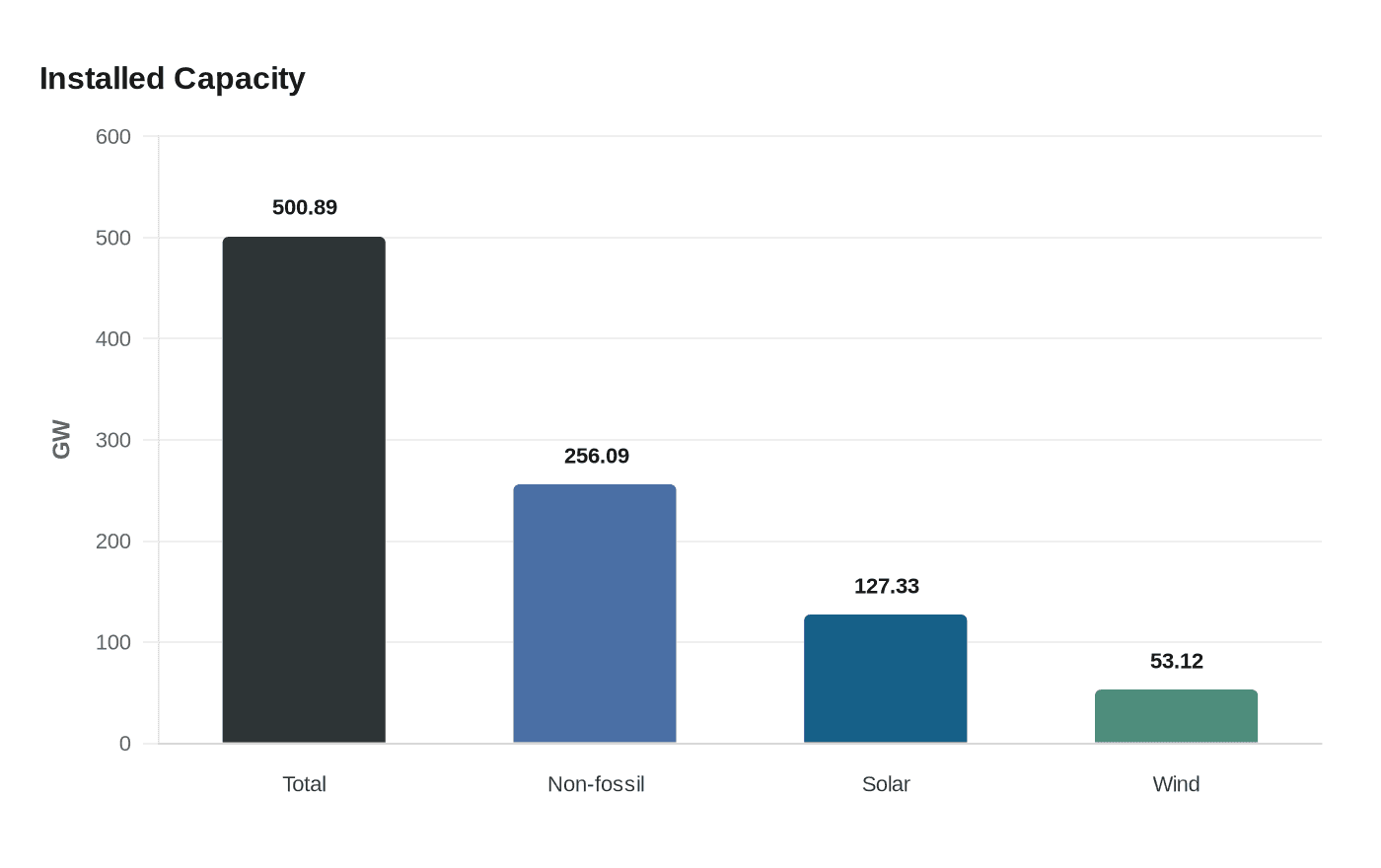
The scale of the buildout explains why the dispute matters beyond one set of regulations. On October 29, 2025, the government said total installed electricity capacity had crossed 500.89 gigawatts, with non-fossil sources accounting for 256.09 gigawatts, including 127.33 gigawatts of solar and 53.12 gigawatts of wind. India is still adding capacity fast, having recorded 55.29 gigawatts of non-fossil additions in FY 2025-26, but the new rules show a harder truth of the transition: the grid needs cleaner power, yet it also needs firm discipline if investors are to keep financing it.
This article was produced by Prism’s automated news system from verified source data, official records, and press releases, then run through automated quality and moderation checks before publishing. The system is built and supervised by the people who set the standards it runs under. Read our full AI policy.
Know something we missed? Have a correction or additional information?
Submit a Tip