Indonesia passes long-delayed law protecting millions of domestic workers
Indonesia finally gave 4.2 million domestic workers legal recognition, but the real test is whether the new law can curb abuse, regulate hours and force employers to comply.

Indonesia’s parliament gave long-awaited legal recognition to millions of domestic workers on April 21, ending a 22-year deadlock over a sector that has long operated outside the country’s core labor protections. The Domestic Workers Protection Law was approved in a plenary session at the Parliament Complex in Jakarta, a vote lawmakers tied to Kartini Day, the annual commemoration of women’s rights pioneer Raden Ajeng Kartini.
The stakes are immediate for Indonesia’s estimated 4.2 million domestic workers, almost 90% of whom are women. Until now, domestic workers were not legally classified as workers under Indonesia’s main labor regime, leaving them in an informal and largely unregulated market where pay, hours and workplace treatment often depended on the goodwill of individual employers.

The new law is designed to change that by giving legal certainty to both domestic workers and employers and by preventing discrimination, exploitation and abuse. It also sets the stage for rules covering worker status, working hours and social security, although the government now has one year to draft the implementing regulations that will determine how much protection exists in practice.
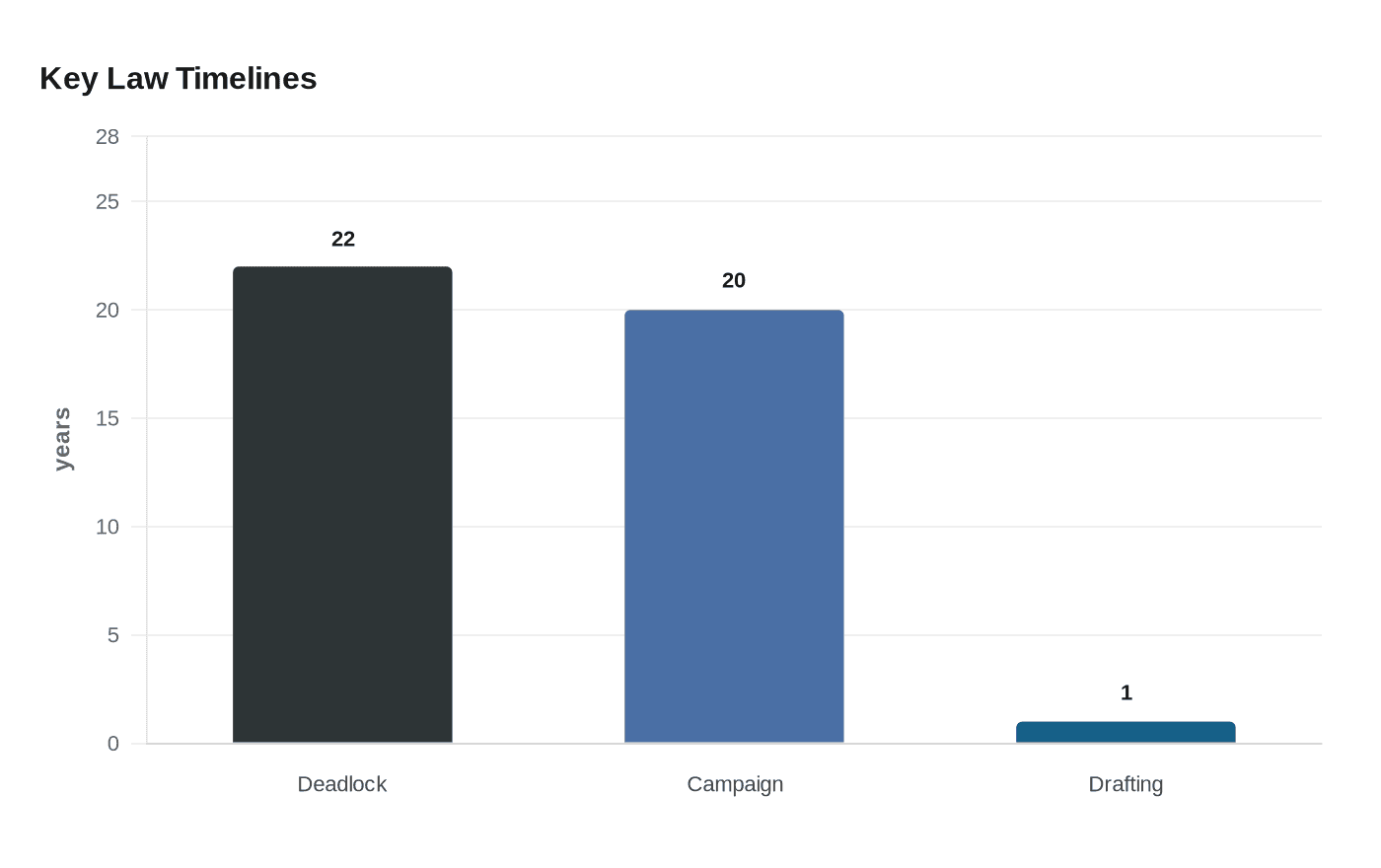
For labor advocates, the bill’s passage was the result of years of pressure from domestic worker groups and civil society organizations, including JALA PRT, which has spent about two decades campaigning for the law. Human Rights Watch said the bill had remained stalled for 20 years because of a persistent lack of political will, a delay that left workers exposed while lawmakers repeatedly deferred action. The House had previously agreed on March 21, 2023, to make the bill a House initiative bill, but the final vote only came this year.
The sector’s vulnerability has been documented for years. The National Advocacy Coalition for Domestic Workers has recorded about 2,641 cases of violence against domestic workers, a figure that underlines why activists say formal recognition matters beyond symbolism. Domestic labor has also been treated as structurally invisible despite its scale, with the International Labour Organization describing domestic workers as essential while noting that the occupation is overwhelmingly female and often informal.
The law now shifts the argument from recognition to enforcement. If the regulations are written clearly and enforced consistently, it could bring a major labor-rights change for women who have too often worked without contracts, predictable hours or meaningful recourse. If not, it risks becoming another landmark on paper in a sector that has waited 22 years for protection.
This article was produced by Prism’s automated news system from verified source data, official records, and press releases, then run through automated quality and moderation checks before publishing. The system is built and supervised by the people who set the standards it runs under. Read our full AI policy.
Did this article answer your question?