Indonesia plans higher yields to defend rupiah and lure investors
Jakarta wants higher yields to pull back bond buyers after the rupiah hit 18,028 to the dollar and foreign holdings sank to a near 20-year low.
Indonesia is betting that richer returns on local assets can steady a battered rupiah, but the same move risks pushing up borrowing costs just as growth is already under strain. Bank Indonesia and the finance ministry agreed to make Indonesian assets more attractive to investors after weeks of pressure that drove the currency to a record low and emptied bond markets of foreign money.
The urgency is clear. The rupiah fell to 18,028 per U.S. dollar on June 4, crossing the psychologically important Rp18,000 level, while Indonesia’s trade surplus narrowed to just $89 million in April from $3.3 billion in March. Foreign holdings of Indonesian government bonds dropped to a near 20-year low as of June 2, and investors have pulled billions of dollars from the market as the benchmark stock index slid 38% from a record high five months earlier.

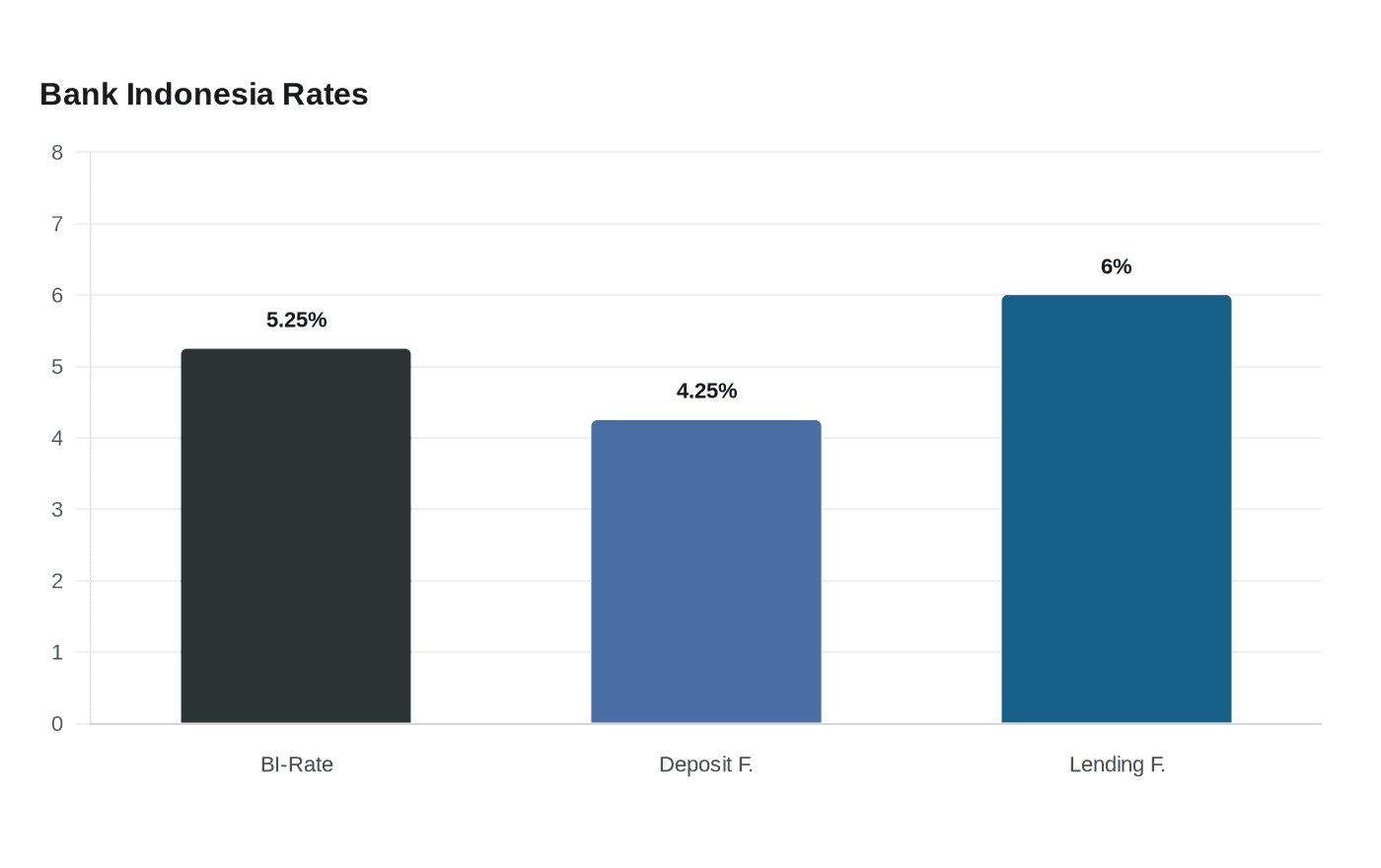
The central bank has already moved aggressively to defend the currency. On May 19-20, Bank Indonesia raised the BI-Rate by 50 basis points to 5.25%, lifted the Deposit Facility rate to 4.25% and the Lending Facility rate to 6.00%, saying the move was meant to strengthen rupiah stabilization and keep inflation within its 2.5% plus or minus 1 target corridor for 2026 and 2027. It also intensified foreign-exchange intervention through offshore nondeliverable forwards, spot transactions and domestic NDFs, while strengthening the interest-rate structure of its instruments to attract foreign portfolio inflows. BI spokesman Ramdan Denny Prakoso said the central bank would keep using “all available policy instruments” to maintain foreign-exchange liquidity.
The finance ministry has joined in by buying back bonds in the secondary market to keep long-term yields from rising too sharply, after launching its own bond market operations last month. But the broader policy mix comes with a cost: higher yields can lure capital back into rupiah assets, yet they also raise the government’s financing bill and can add pressure on private borrowing at a moment when domestic demand is vulnerable.
The strain reflects more than one currency selloff. President Prabowo Subianto’s government is moving toward a 2026 spending plan of 3,842.7 trillion rupiah and a 2.68% deficit forecast, while still targeting 5.4% growth next year and 8% within his five-year term. In a region where a strong dollar and jittery global capital flows are forcing central banks to choose between currency defense and growth, Indonesia is trying to do both at once.
This article was produced by Prism’s automated news system from verified source data, official records, and press releases, then run through automated quality and moderation checks before publishing. The system is built and supervised by the people who set the standards it runs under. Read our full AI policy.
Did this article answer your question?