Inflation may ease slowly even after Iran war deal ends fuel shock
Gasoline is already off its peak, but economists say relief at the pump, in groceries and on flights could take weeks or months to reach households.

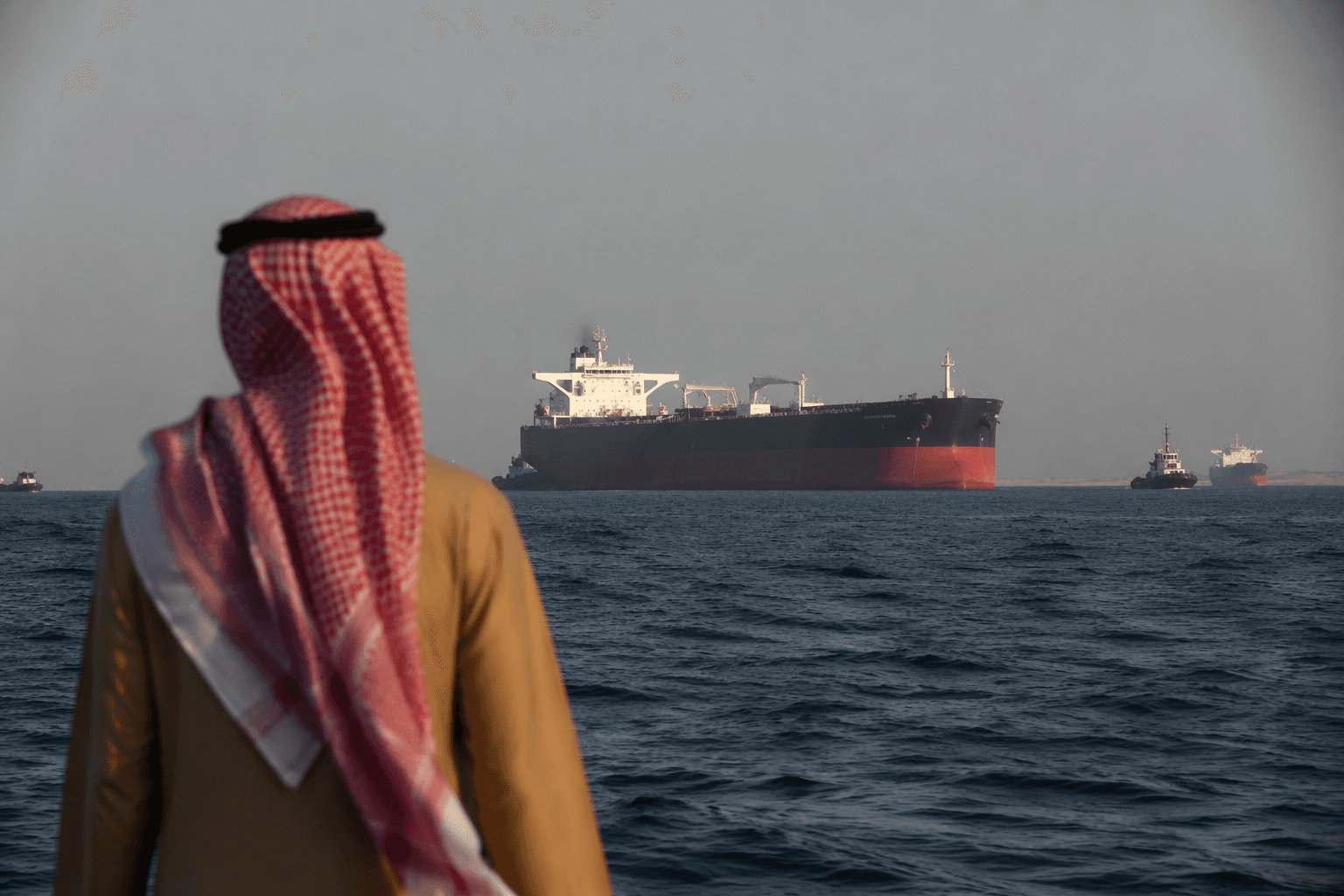
Consumers may wait weeks or months for the Iran war fuel shock to fade even if the fighting stops now. Oil is flowing back only gradually, refiners buy crude weeks in advance, and higher input costs can linger from tankers to supermarket shelves.
Mark Zandi, chief economist at Moody’s Analytics, said consumers should “buckle up” because the inflation wave tied to the Middle East conflict could last six to 12 months. Diane Swonk of KPMG US said the new pressure lands on top of five years of price strain from the pandemic reopening, the Russian invasion of Ukraine and other supply disruptions. That warning comes as U.S. consumer prices rose 4.2% in May from a year earlier, the fastest annual pace in three years, and 0.5% from April. Energy goods accounted for more than 60% of the monthly increase, gasoline was up 40.5% year over year, energy prices were up 23.5%, and fuel oil was up almost 60%. Real average hourly earnings fell 0.7% over the 12 months through May, underscoring how inflation is still eroding paychecks.
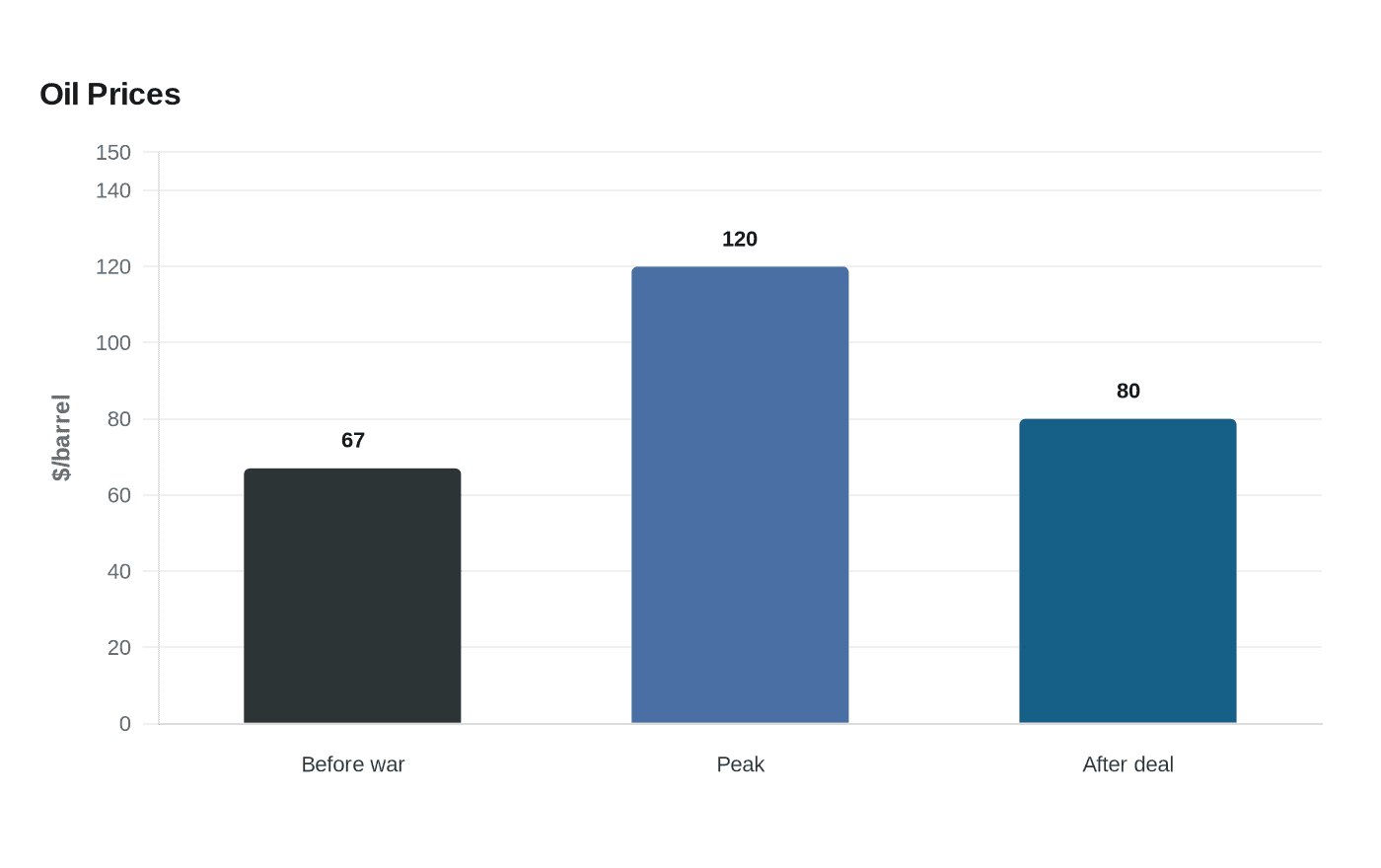
Oil prices have eased from the panic levels seen during the conflict. They fell to about $80 a barrel after the tentative U.S.-Iran agreement, down from about $67 before the war and more than $120 at the peak. AAA put the national average gasoline price at $3.9990 on June 18, just below $4 a gallon. Even so, shipping through the Strait of Hormuz could take weeks to normalize because tankers and LNG carriers are still clearing backlogs. The shock has reached far beyond gasoline, disrupting crude, refined fuel, fertilizer, food and even footwear supply chains, and lower oil prices do not translate immediately into cheaper fuel when refineries are buying crude a month or more ahead.

The Dallas Federal Reserve estimated that under one current scenario, fourth-quarter 2026 headline PCE inflation would rise 0.6 percentage points and core PCE 0.2 points. A complete closure of the Strait of Hormuz would amount to a disruption of about 20% of global oil supplies, though the Energy Information Administration said on June 9 that softer global oil demand should limit some of the price surge. The Federal Reserve held rates steady on June 18, and Kevin Warsh reiterated a 2% inflation goal, a sign that price pressure remains a policy concern. For households already tapping savings to keep spending going, gasoline may ease first, while groceries, airfare and other sticky costs could take longer to follow. The price spike is also adding political pressure on President Donald Trump and Republicans heading into the midterms.
This article was produced by Prism’s automated news system from verified source data, official records, and press releases, then run through automated quality and moderation checks before publishing. The system is built and supervised by the people who set the standards it runs under. Read our full AI policy.
Did this article answer your question?