Ingredion buys Tate & Lyle, closing a British industrial era
Ingredion agreed to buy Tate & Lyle for £2.7 billion, ending a 165-year sugar lineage that began in East London and Liverpool.
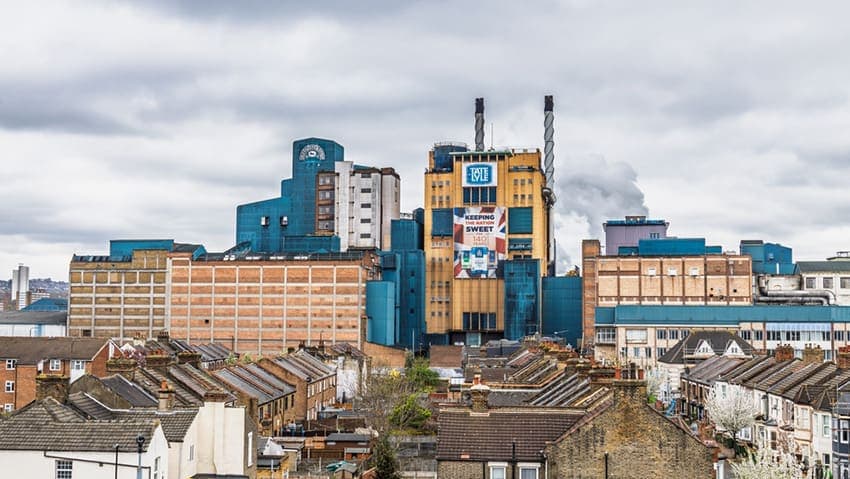
Ingredion’s agreed £2.7 billion cash takeover of Tate & Lyle drew a hard line under one of Britain’s most recognizable industrial names. The deal, backed by Tate & Lyle’s board, offered shareholders 595 pence in cash a share, with dividends lifting the value to as much as 615 pence, and marked an all-cash exit from a business that began in the sugar trade 165 years ago.
The symbolism runs deeper than the price. Henry Tate entered a partnership with Liverpool sugar refiner John Wright in 1859, while Abram Lyle was refining sugar about 1.5 miles away from Henry Tate & Sons’ Thames Refinery in East London. The two firms merged in 1921 and helped define Britain’s refined sugar era. Tate & Lyle later introduced cube sugar to Britain in 1875, then built a wider business in sweeteners, molasses and, eventually, plant-based ingredients.

That evolution is what made the company valuable to Ingredion. Tate & Lyle discovered sucralose in 1976 in a joint project with Queen Elizabeth College in London, and later said its SPLENDA® Sucralose was about 600 times sweeter than sugar and had helped remove 77 trillion calories from diets globally. But the company also spent the past decade and a half moving away from commodity sugar. It sold its EU sugar refining business to American Sugar Refining in 2010 for £211 million, including the UK consumer sugar brand and Lyle’s Golden Syrup, then completed the acquisition of CP Kelco on 15 November 2024 to deepen its specialty ingredients portfolio.
The market has already been voting on that shift. Tate & Lyle said its FY2026 revenue from continuing operations was about £2.0 billion, with full-year results in line with guidance, even as weak market demand pressured performance. Management said CP Kelco integration was complete and cost synergies were ahead of plan, but the company still faced the realities of a slower ingredients market where scale, formulation expertise and global distribution matter more than heritage branding.
Under UK takeover rules, Ingredion had until 5:00 pm London time on 11 June 2026 to make a firm offer or walk away. The bid valued Tate & Lyle at about £3.7 billion including debt and carried a premium of roughly 59% to nearly 60% over the share price before takeover talks became public. Advent had also explored a possible offer last year, underscoring how attractive specialist food ingredients assets have become as global buyers chase healthier formulations, texture systems and higher-margin nutrition businesses. For Britain, the question is no longer whether Tate & Lyle still makes sugar. It is whether a company born in the sugar empire can remain a British industrial symbol after the business itself has become just another asset in a global ingredients market.
This article was produced by Prism’s automated news system from verified source data, official records, and press releases, then run through automated quality and moderation checks before publishing. The system is built and supervised by the people who set the standards it runs under. Read our full AI policy.
Know something we missed? Have a correction or additional information?
Submit a Tip