Panasonic to start Kansas battery production for AI data centers by 2028
Panasonic is steering 350 billion yen toward Kansas batteries, betting AI data centers will need backup power as much as chips.
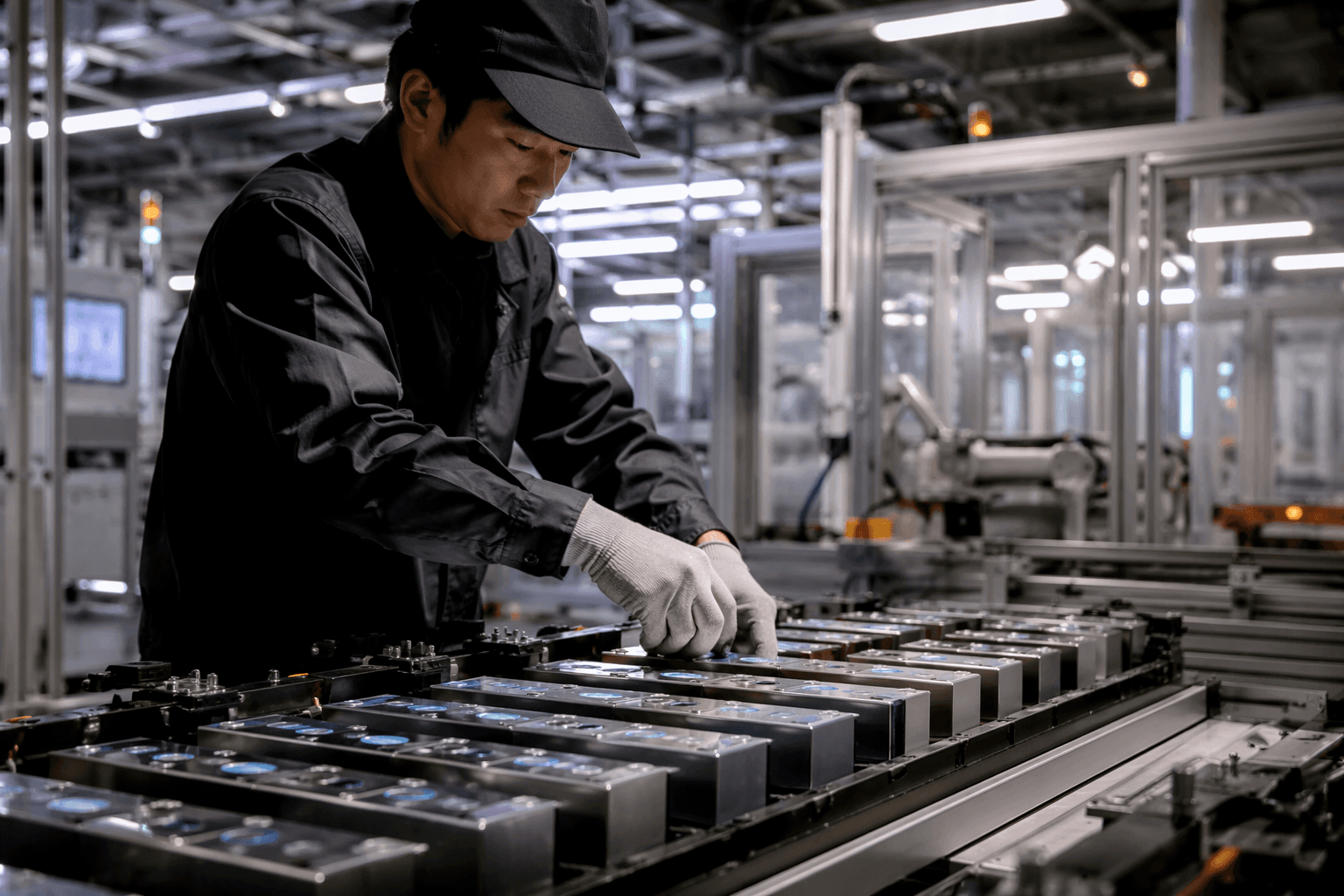
Panasonic Holdings is turning the AI boom into a factory story. The company plans to begin mass production of battery cells for data-center applications in Kansas in fiscal 2028, a timeline that points to production starting by March 2029 and underscores how fast the infrastructure behind artificial intelligence is becoming a major industrial market.
Panasonic said about 350 billion yen, or roughly $2.18 billion, of its previously announced 500 billion yen AI-infrastructure investment will go to its Energy unit, with another 150 billion yen directed to its Industry segment. The plan gives the company a larger role in the hidden layers of AI computing, where batteries and backup systems keep servers online when grids wobble or demand spikes. Panasonic’s Kansas batteries are rack-mounted units designed for use among servers and other compute equipment, functioning like uninterruptible power supplies and helping customers manage energy-price surges.
The Kansas push builds on Panasonic Energy’s existing De Soto site, which opened in July 2025 as a $4 billion facility and was described by state officials as the largest private business investment in Kansas history. The plant is Panasonic Energy’s second North American battery factory. Kansas officials said the project could create up to 4,000 jobs and generate about $2.5 billion in annual economic activity for the state, making the site a centerpiece of the state’s manufacturing pitch. Governor Laura Kelly and Lieutenant Governor and Secretary of Commerce David Toland marked the grand opening with local, regional and national officials, reflecting how closely the project has been tied to Kansas economic development.
The company’s timing also reveals how quickly AI customers are locking up supply. Panasonic Energy chief executive Kazuo Tadanobu called the division’s 950 billion yen sales target for data-center-related energy storage systems in fiscal 2028 a “minimum commitment” and said the business aims to top 1 trillion yen. Follow-up reporting said hyperscale data-center customers have already pre-committed to more than 80% of planned output through fiscal 2029. That kind of demand gives Panasonic a clearer runway than many manufacturers get when entering a new market.
The Kansas expansion is part of a broader North American strategy that includes a third battery plant in Mexico, also scheduled for fiscal 2028 mass production. Together, the two projects show Panasonic betting that AI will not only drive chip spending and cloud construction, but also a domestic supply chain for power storage, backup resilience and energy security. In that sense, the real infrastructure race is no longer just about who builds the fastest model. It is about who keeps the lights on when the data centers come online.
This article was produced by Prism’s automated news system from verified source data, official records, and press releases, then run through automated quality and moderation checks before publishing. The system is built and supervised by the people who set the standards it runs under. Read our full AI policy.
Know something we missed? Have a correction or additional information?
Submit a Tip