Inmate Says He Found Epstein Suicide Note, Now Sealed in Court File
Epstein’s former cellmate says he found a handwritten note after the July 23 jail incident, and the sealed file now tests how much of the record should stay hidden.
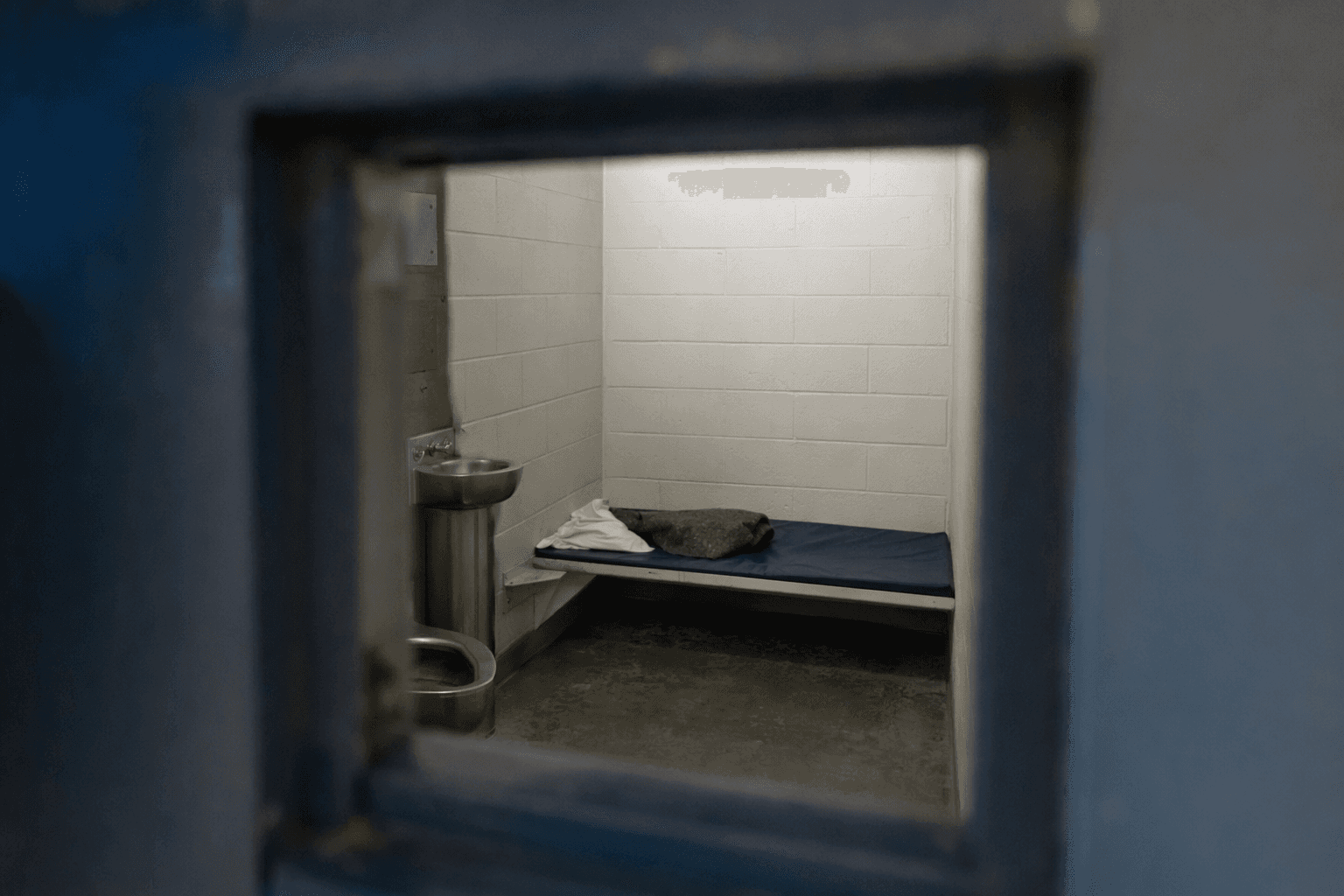
A note said to have been written by Jeffrey Epstein has remained out of public view for one reason that now matters as much as the note itself: it was sealed inside the federal case file of Nicholas Tartaglione, Epstein’s former cellmate at the Metropolitan Correctional Center in Manhattan.
Tartaglione told The New York Times that he found the note in July 2019, after Epstein was found unresponsive in his cell with cloth around his neck following an apparent suicide attempt on July 23, 2019. The Bureau of Prisons incident report said Epstein was lying in the fetal position with a homemade noose around his neck. Epstein was later placed on suicide watch, then found dead in his cell on August 10, 2019, while awaiting federal sex-trafficking charges.
The note was reportedly written on paper from a yellow legal pad and tucked inside a book. Tartaglione has said it contained the phrase “time to say goodbye.” He also previously discussed the note on a podcast and has denied assaulting Epstein. Epstein initially alleged that Tartaglione had tried to kill him, then later said he could not recall what happened.
The sealed document has become a test of how much of the Epstein record remains beyond public scrutiny even as federal agencies continue to release new material. The Justice Department has published millions of pages of Epstein-related records, including more than 3 million additional pages tied to the Epstein Files Transparency Act, bringing its total production to nearly 3.5 million pages. Yet federal prosecutors in the Southern District of New York told ABC News that they did not know of any Epstein suicide note, even though a two-page chronology in Justice Department disclosures referenced one.
That gap has sharpened the dispute over the note’s status. The New York Times has petitioned a federal judge to unseal it, and U.S. District Judge Kenneth Karas ordered the parties to respond by May 4, 2026. The question before the court is not only whether the note exists in the form Tartaglione described, but whether a document tucked into a sealed criminal docket should stay hidden when it speaks directly to one of the most scrutinized deaths in recent federal custody.
For Epstein’s death, officially ruled a suicide, every newly surfaced record has carried outsized weight. The sealed note now sits at the center of that record, behind courthouse doors in a case file that could still reshape public confidence in the government’s account.
This article was produced by Prism’s automated news system from verified source data, official records, and press releases, then run through automated quality and moderation checks before publishing. The system is built and supervised by the people who set the standards it runs under. Read our full AI policy.
Did this article answer your question?

