Inside Notre Dame, Rising Seas, and a Fake Wedding Rescue
A former Army captain used a fake wedding as cover to ferry 383 Afghans out of Taliban territory, in one of the most audacious private rescues since 2021.
Three stories from the past year paint a portrait of a world simultaneously under construction, under water, and under threat: a gothic cathedral nearing its final restoration milestone, a Chesapeake Bay island racing against the tide, and hundreds of Afghans who owed their freedom to a carefully staged lie.
Notre Dame's restoration enters its final chapter in 2026 with the installation of new stained glass windows. The apse and sacristy were completed in 2025, and the new windows, replacing 19th-century originals that will be moved to a museum, were designed by a contemporary French artist chosen from more than 100 submissions. The cathedral's towers reopened to the public during Heritage Days on September 20-21, 2025, with free admission from 9 a.m. to 11 p.m. That reopening included a double-revolution staircase of 178 steps, the largest wooden one of its kind. Six years after fire gutted the nave, the cathedral is now weeks away from full restoration.
Less than 100 miles from Washington, D.C., Smith Island is the last inhabited island on Maryland's Chesapeake Bay with no roads connecting it to the mainland. For generations, its residents built their lives on crab in one season and oyster in another, but erosion and rising sea levels now threaten the island's existence. The Chesapeake Bay is projected to increase an average of four feet by the end of the century, a level at which Smith Island will likely be completely submerged. "In the worst-case scenarios, Smith Island could be gone in, let's say by 2025, 2030 or so," said Raghu Murtugudde, a professor at the University of Maryland's Earth System Science Interdisciplinary Center. The population has dwindled to the point that waterfowl now outnumber people, and residents, who trace their lineage and dialect back to the 1600s, may be among the country's first climate refugees.
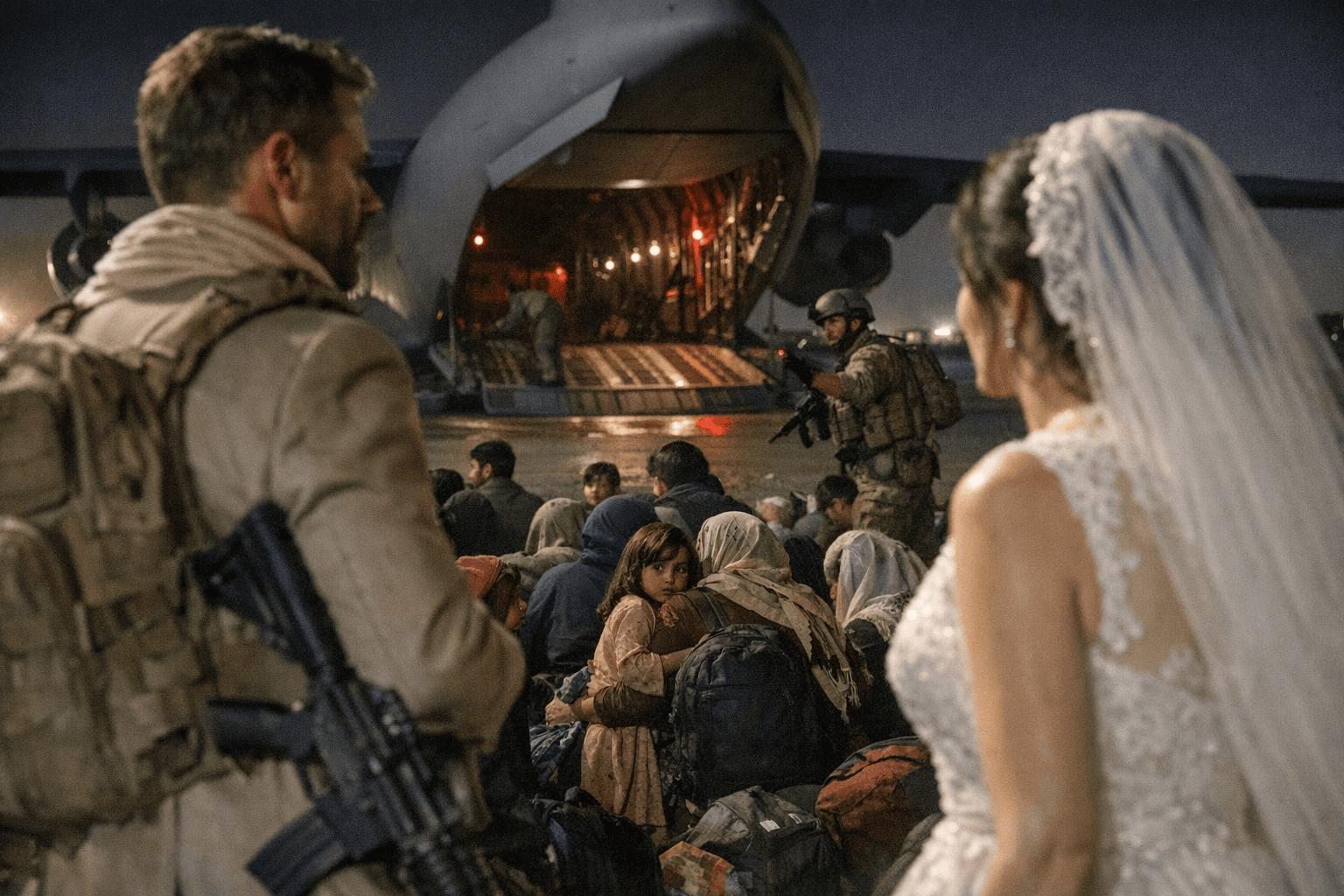
The third story is the most improbable. After the U.S. withdrawal from Afghanistan, Jason Kander, a former Army captain from Kansas City, orchestrated a daring extraction. On September 21, he told families to take one bag per person and travel to a wedding palace, giving them a single code word: "Bella," the name of his own daughter. The fake wedding threw the Taliban off the scent, but 383 Afghans with ties to the U.S. and the fight for democracy were marooned for three days inside the wedding hall.
Through crowdfunding and private donations, Kander and other orchestrators frantically raised enough money to charter a commercial plane that flew the entire "wedding party" to Albania, a waystation until the Afghans were granted clearance to enter the United States. The escapees were taken to a hotel called the Raphaelo, which had a replica of the Statue of Liberty outside its front lobby. Among those rescued was the Rauffi family; the children of Raheem Roui recorded a video on the beach, thanking Kander by name.
For Smith Island's remaining residents, no comparable lifeline exists. Federal sea-level projections have not softened, the population keeps shrinking, and the water keeps rising.
This article was produced by Prism’s automated news system from verified source data, official records, and press releases, then run through automated quality and moderation checks before publishing. The system is built and supervised by the people who set the standards it runs under. Read our full AI policy.
Did this article answer your question?

