Inside the Quiet Race to Build Self‑Driving Trucks in the US and Europe
Bloomberg TV aired a segment examining an under-the-radar competition to develop autonomous long-haul trucking across the United States and Europe. The technological push, regulatory maneuvering and commercial stakes behind these projects could reshape supply chains, labor markets and emissions, and policymakers are racing to catch up.
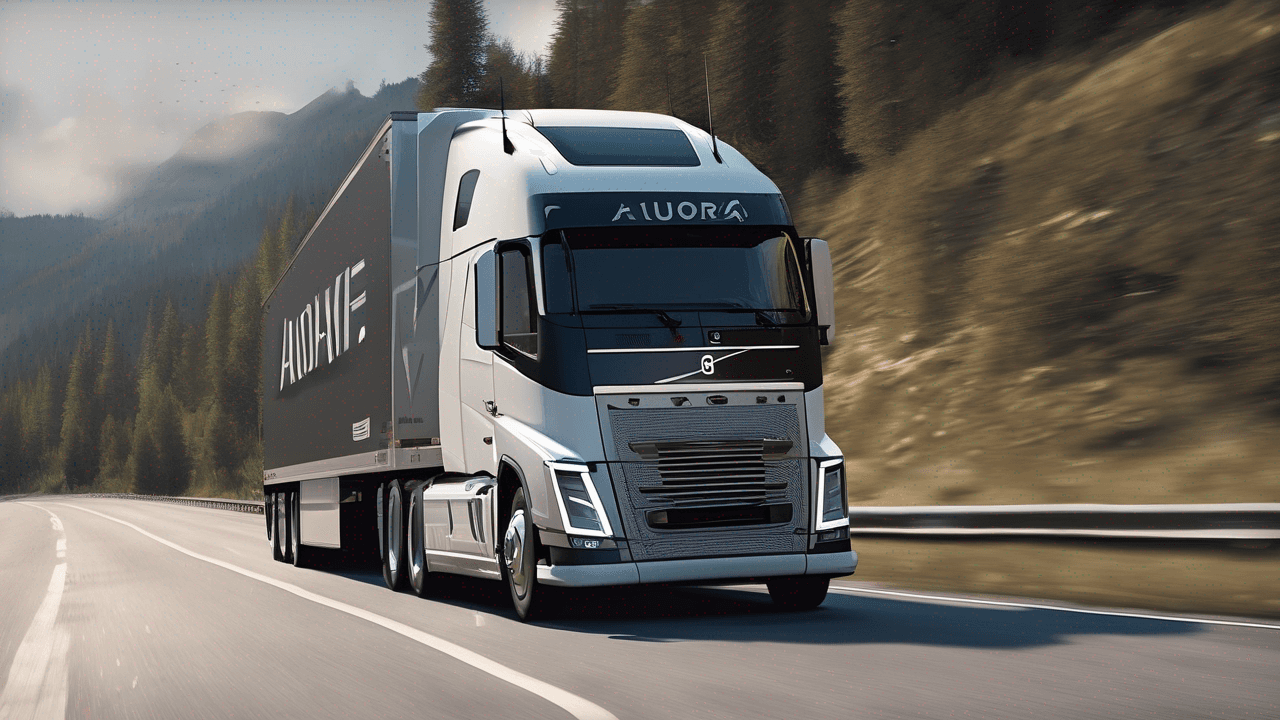
Bloomberg TV’s recent segment, “The Quiet Race to Build Self‑Driving Trucks in the US and Europe,” spotlighted a technology push that has mostly unfolded out of the public eye but could have wide economic and social consequences. Developers and logistics firms are testing autonomous trucking systems on highways and dedicated corridors, seeking the operational efficiencies of 24/7 driving while facing persistent technical, regulatory and labor challenges.
The contest plays out differently on either side of the Atlantic. In the United States, a patchwork of state rules and a sprawling highway network have encouraged experimental corridors and public‑private partnerships, with companies focused on long‑distance runs that promise to cut driver hours and lower freight costs. In Europe, denser cities, stricter safety rules and stronger labor protections have pushed the technology toward shorter regional routes and staged rollouts that more directly involve national regulators and unions.
Technically, the hurdle remains the long tail of edge cases: complex urban intersections, poor weather, mixed vehicle behavior and unpredictable roadworks. Developers are balancing two approaches, highly curated routes with limited variables that enable near‑term commercial deployments, and broader autonomous systems designed to handle more of the variability of real roads. Both require vast quantities of sensor data, high‑definition mapping and rigorous validation to convince insurers, regulators and shippers that automated trucks can operate safely and reliably.
Regulation and liability are crucial constraints. European regulators have focused on harmonizing safety standards and ensuring labor protections, often favoring conservative approval frameworks. U.S. regulators have shown more regional flexibility, accelerating pilots but leaving liability questions and driver certification largely unsettled. That regulatory divergence will shape where investments land and which business models can scale most quickly.
Economic incentives are powerful. Autonomous trucking promises lower per‑mile labor costs, extended operating hours and potentially fewer accidents, encouraging fleet operators and shippers to experiment with the technology. Yet the social costs are nontrivial: the sector employs millions across driving, maintenance and logistics, and widespread automation could displace jobs even as it creates new roles in remote operation, fleet supervision and data management. The pace at which technology replaces labor will depend on policy choices, retraining programs and how quickly regulators permit fully driverless operations.
Environmental impacts are also in play. Autonomous systems could improve fuel efficiency through smoother driving and platooning, but the net effect on emissions will depend on fleet electrification and routing efficiencies. Integration with incentives for zero‑emission vehicles would amplify climate benefits; otherwise, efficiency gains alone may not materially cut greenhouse gases.
Bloomberg’s segment positioned the trucking race within a broader examination of how artificial intelligence is reshaping institutions, joining coverage of Pentagon AI initiatives and other policy debates. As pilots multiply and regulators test boundaries, the coming years will determine whether self‑driving trucks remain an incremental optimization for logistics or become a disruptive force that reshapes labor markets, trade flows and environmental outcomes across the United States and Europe.
This article was produced by Prism’s automated news system from verified source data, official records, and press releases, then run through automated quality and moderation checks before publishing. The system is built and supervised by the people who set the standards it runs under. Read our full AI policy.
Did this article answer your question?


