Inside The Sims 4 QA - how issues get reproduced and fixed
SimDevAlex from The Sims 4 QA team explained testing stages and how player saves and telemetry feed bug triage. This clarifies why you may be asked to send files and how to make reports useful.
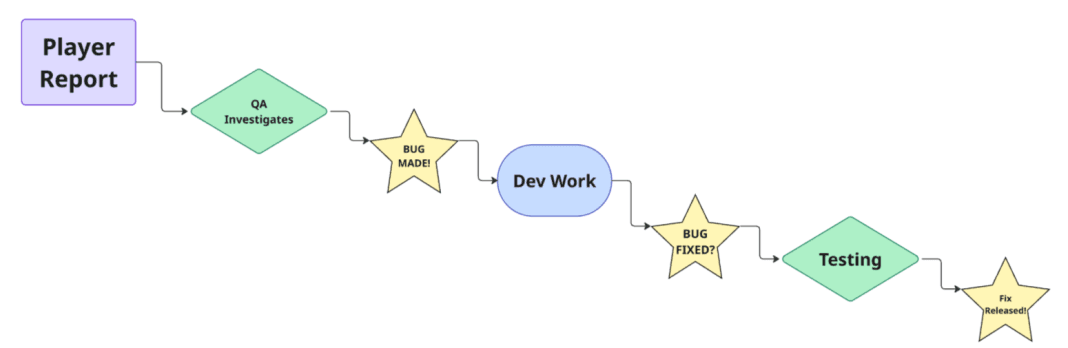
SimDevAlex from The Sims 4 QA team laid out a clear roadmap of how bugs move from player reports to fixes, giving players concrete context for save-file requests and forum follow-ups. The write-up breaks QA work into distinct stages and shows how community evidence powers repro and triage, which matters when you’re asked to attach a save or record steps.
QA begins in early development testing and moves through halo and ad-hoc testing, where teams hunt for edge cases that automated checks miss. The team explained fix verification as a formal step that confirms a patch addresses the issue, followed by pre-release lockdown to prevent regressions and post-release monitoring to catch problems that slip through. A lighthearted example illustrated the point: QA once discovered small dogs could be slotted into a Romance Competition getaway, an odd edge case that proved how varied playstyles expose unexpected interactions.
Practical mechanics matter. QA uses player-submitted saves and telemetry to reproduce and triage issues. Clear, step-by-step reproduction steps greatly speed investigation; vague reports often land in a "Needs Info" status while testers request the save, video, and exact actions that triggered the bug. Telemetry helps narrow down what happened in-session, but a reproducible save or video is usually the fastest route to a verified fix.
The piece also outlines what QA does not control. The QA team cannot set feature priorities or guarantee compatibility across mods and custom content, so requests to "warranty" third-party content fall outside their remit. That distinction helps set expectations when fixes are slow or when interactions involve mods.

On process improvements, the write-up noted changes aimed at accelerating fixes for community-voted reports, reflecting a tighter feedback loop between players and QA. That means well-documented, upvoted reports with saves or clips are more likely to be triaged and moved through verification faster.
For players, the takeaway is simple and actionable: when asked, send a clean save, include exact reproduction steps, and attach a short video if possible. That input directly shortens time to repro and increases the chance a fix ships sooner. The QA team’s openness about methods also reinforces that bug hunting is a collaboration — your saves and attention to detail help keep the game playable and push fixes across the finish line.
Sources:
Know something we missed? Have a correction or additional information?
Submit a Tip